An estimated 63 million Americans provide care for a loved one, and nearly one in four care for someone age 50-plus living with memory loss, dementia, or cognitive impairment. Yet caregivers are often overlooked in conversations about dementia, despite facing significant emotional, physical, and social challenges. Many report high levels of stress, and nearly one-quarter say they feel alone.
AARP created this project to shine a light on an often-overlooked solution: memory cafes. These welcoming community gatherings provide people living with dementia and their caregivers a safe, supportive environment where they can socialize, participate in activities, and connect with others facing similar experiences. Despite their growth across the United States, memory cafes remain relatively unknown to many families who could benefit from them.
Our primary goal was to raise awareness of memory cafes and help caregivers discover resources that could reduce feelings of isolation and increase social support. We also sought to humanize the caregiving experience through authentic storytelling, giving audiences a firsthand look at both the challenges and moments of joy that exist within dementia care.
Rather than focusing on statistics alone, we wanted viewers to see what meaningful support looks like in practice and understand that caregivers do not have to navigate these challenges by themselves. Ultimately, the project aimed to inspire connection, encourage resource utilization, and foster greater understanding of the caregiving journey.
For National Family Caregivers Month, AARP partnered with Dementia Friendly America to create a multimedia storytelling experience centered on a simple but powerful idea: the most effective way to explain the value of a memory cafe is to let people experience one through the eyes of those who rely on it. We produced both a documentary-style video and companion editorial feature distributed across AARP's digital platforms.
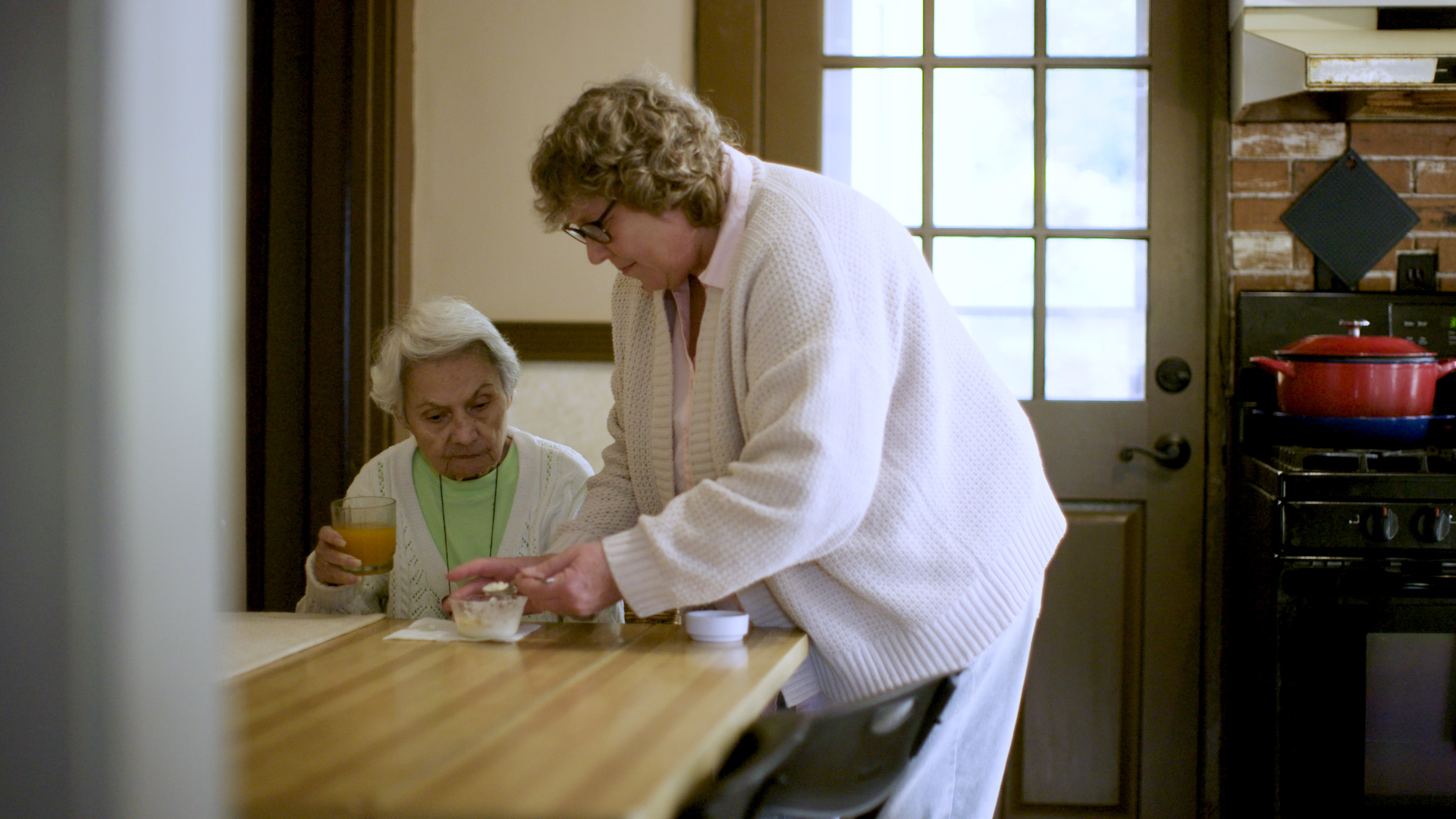
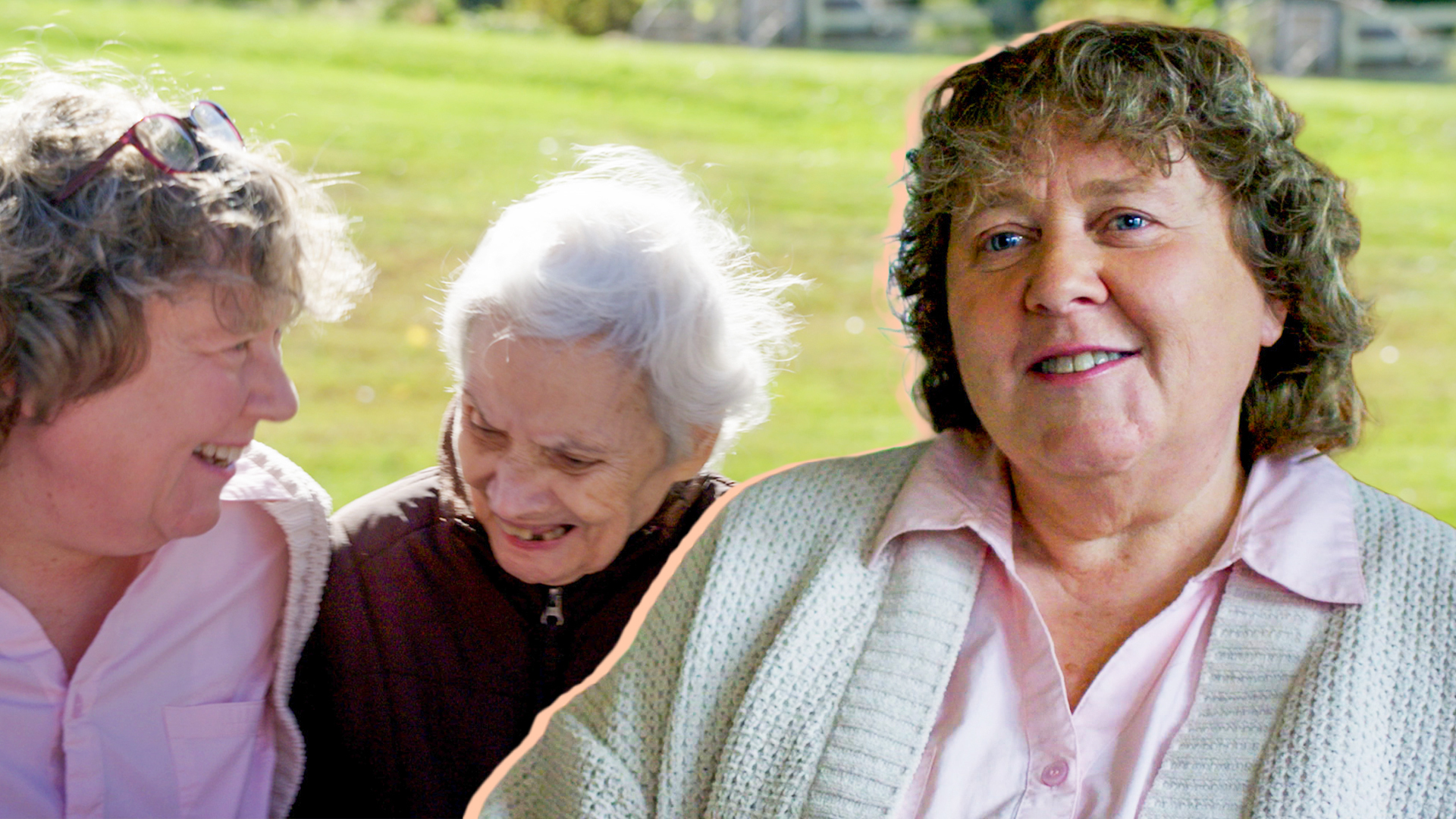
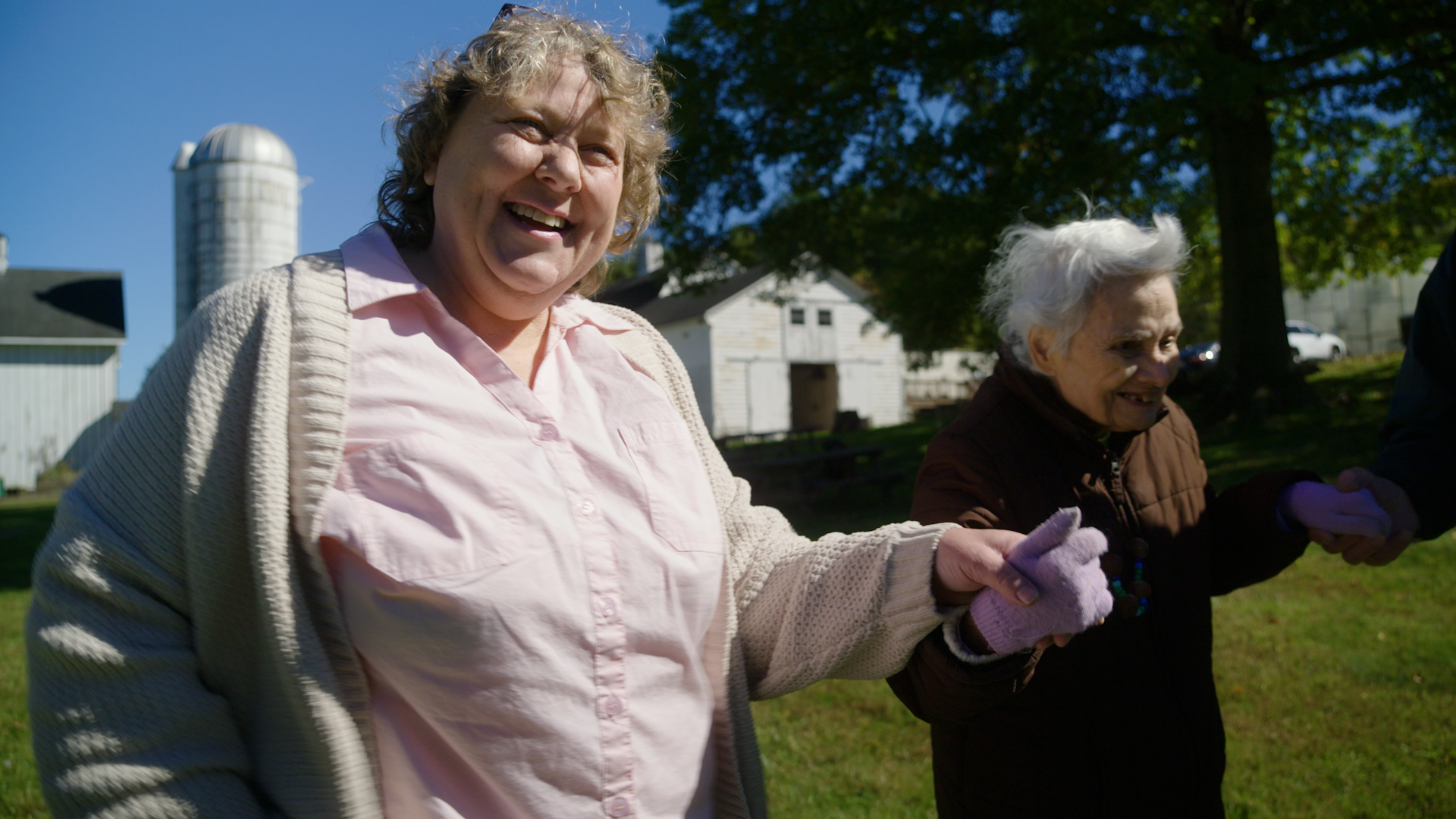
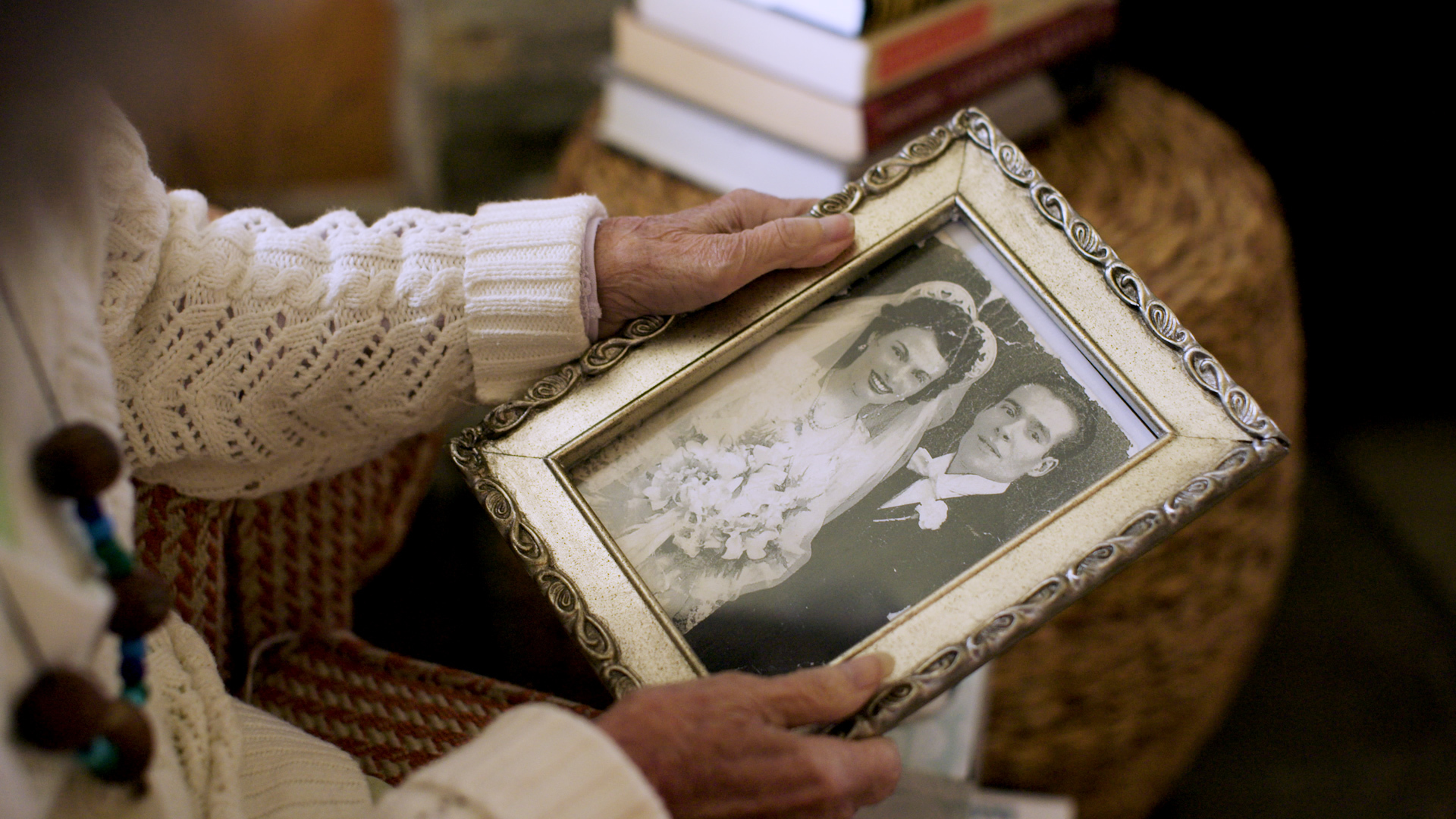
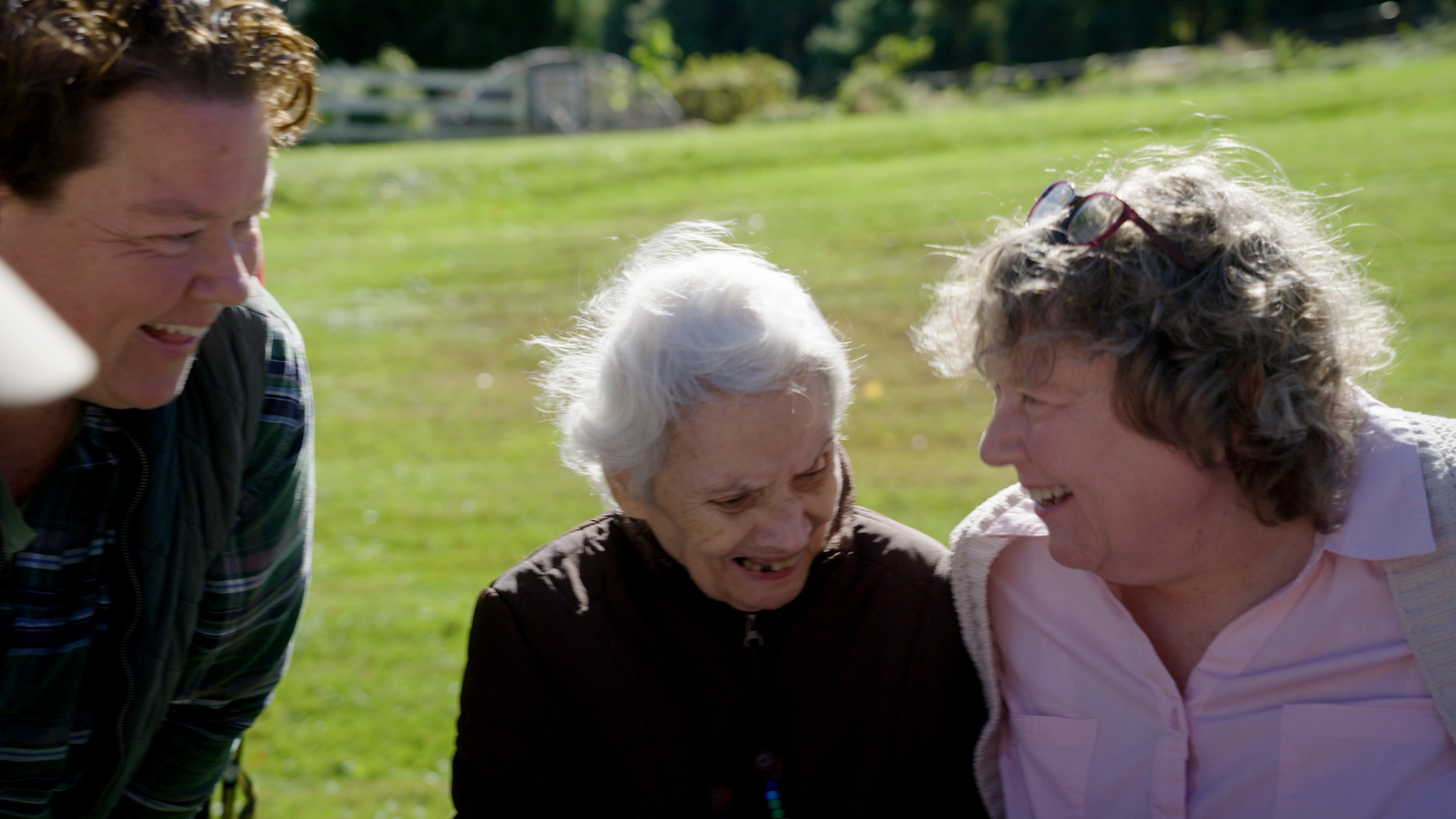
Our first challenge was finding a story that authentically represented the broader caregiving experience. Memory cafes are built on trust, vulnerability, and community, so we knew the story needed to come from people genuinely connected to the program. After working with several memory cafe networks, we met caregiver Dawn Seestedt and her aunt Rosa "Taty" Bracero, who lives with dementia. Their relationship embodied the emotional reality we hoped to capture: caregiving is demanding, but meaningful moments of connection remain possible.
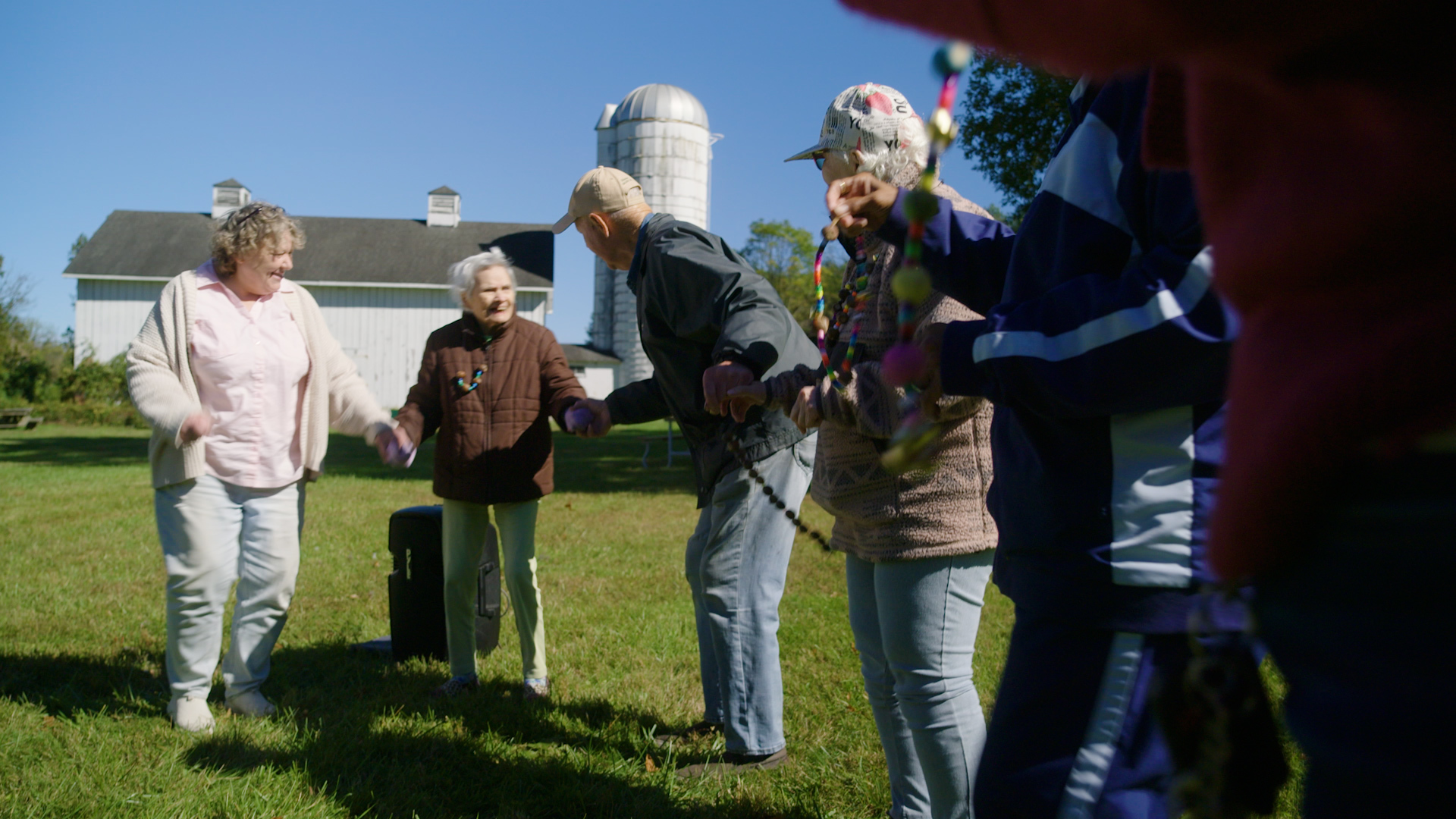
We intentionally avoided an interview-heavy, educational format in favor of immersive visual storytelling. Our goal was to show, not tell, how memory cafes create belonging. Filmed at a memory cafe hosted at Baltimore County's TALMAR nature center, the piece documented real interactions among participants rather than staged demonstrations. The setting itself became part of the story, reinforcing the calm, welcoming environment these programs strive to create.
Another challenge was balancing the realities of dementia caregiving with a message of hope. We wanted to honestly acknowledge the strain many caregivers experience while avoiding narratives that focus solely on hardship. Through observational filmmaking and firsthand interviews, we highlighted moments of laughter, companionship, and mutual support that demonstrated the transformative role memory cafes can play in people's lives.
What makes this project unique is its focus on an underrecognized resource that addresses a growing public need. While public conversations about dementia often center on diagnosis or treatment, our project focused on quality of life, inclusion, and caregiver well-being. By elevating a real family's experience and connecting audiences with a practical support option, the work moved beyond awareness to provide a pathway toward action.
The result was a deeply human story that helped caregivers see themselves reflected on screen while introducing wider audiences to a community-based solution that fosters connection, dignity, and support.
The project successfully advanced our goal of raising awareness of memory cafes and helping caregivers discover a supportive resource that many had never previously encountered. Through distribution across AARP's digital platforms and engagement within AARP's private Facebook caregiving community of more than 30,000 caregivers, the story reached audiences most likely to benefit from the information.
More importantly, audience engagement demonstrated that the story resonated on a personal level. Viewers not only responded positively to the content but actively discussed memory cafes in their communities and shared intentions to seek out local programs for themselves or loved ones. These responses indicated that the project achieved more than awareness; it inspired exploration and potential participation.
Representative comments included:
• “This article about Memory Cafes is excellent and the video truly captures the joy and meaning people experience at Memory Cafes. I was glad to see the link to the Memory Cafe Alliance Directory.”
• “I don't know if my area has memory cafes, but I'm certainly going to look into it!”
• “This is a good idea and a good service!”
We consider the project a success because it connected caregivers with a tangible source of support while bringing visibility to a growing movement dedicated to reducing isolation among people living with dementia and those who care for them. By transforming an unfamiliar concept into a relatable human story, the project helped caregivers see that community, understanding, and connection are available and within reach.