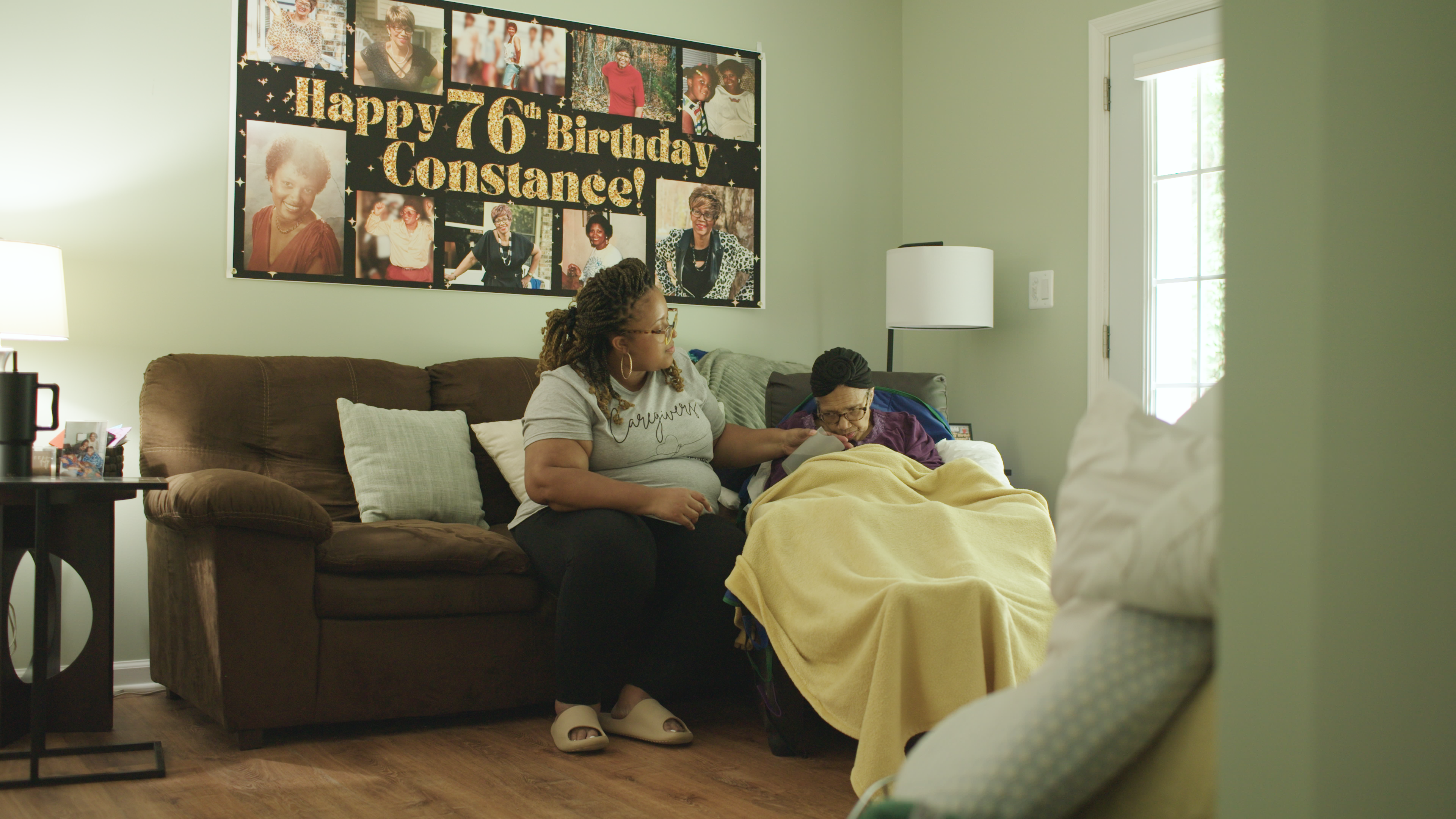
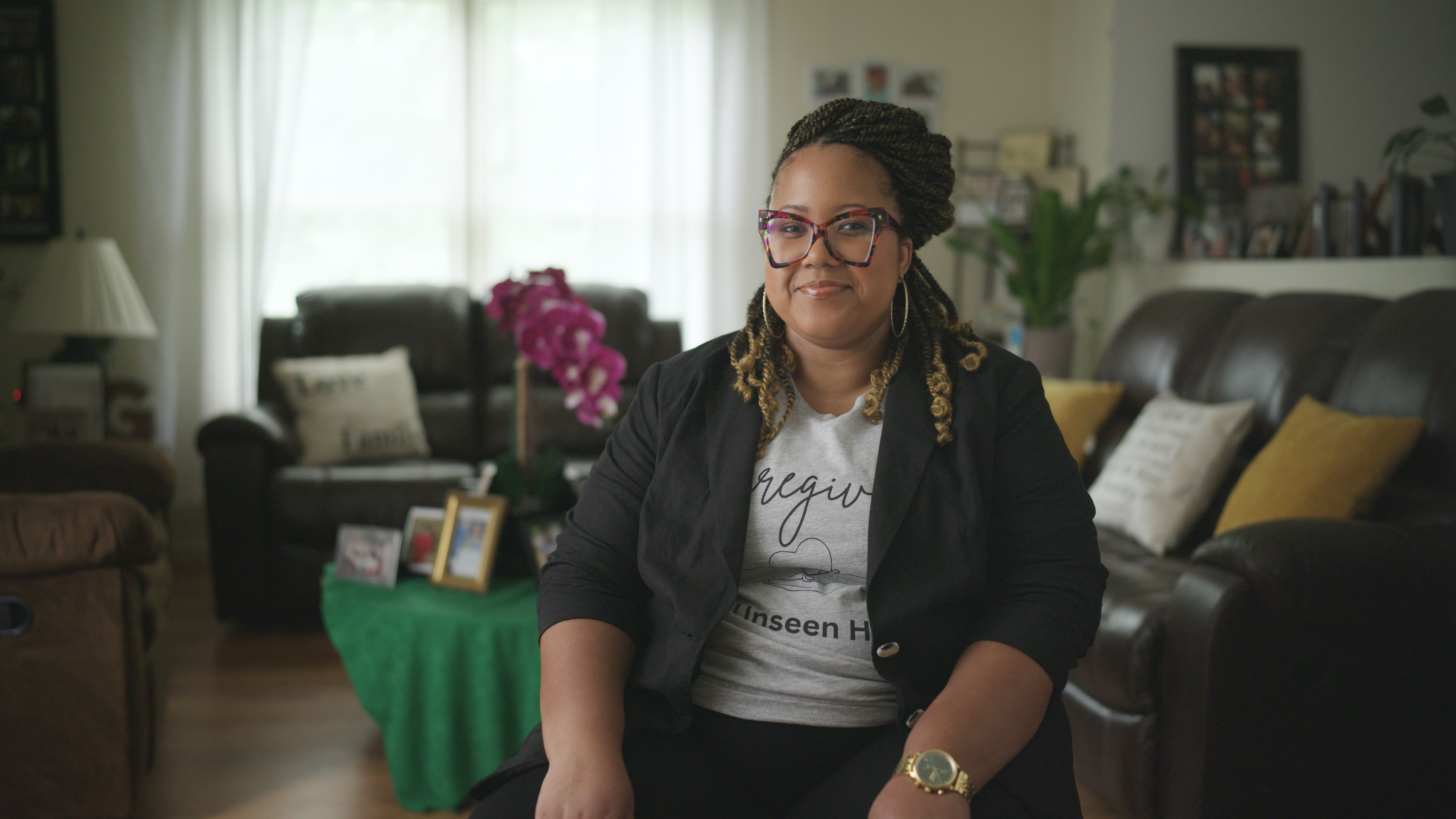
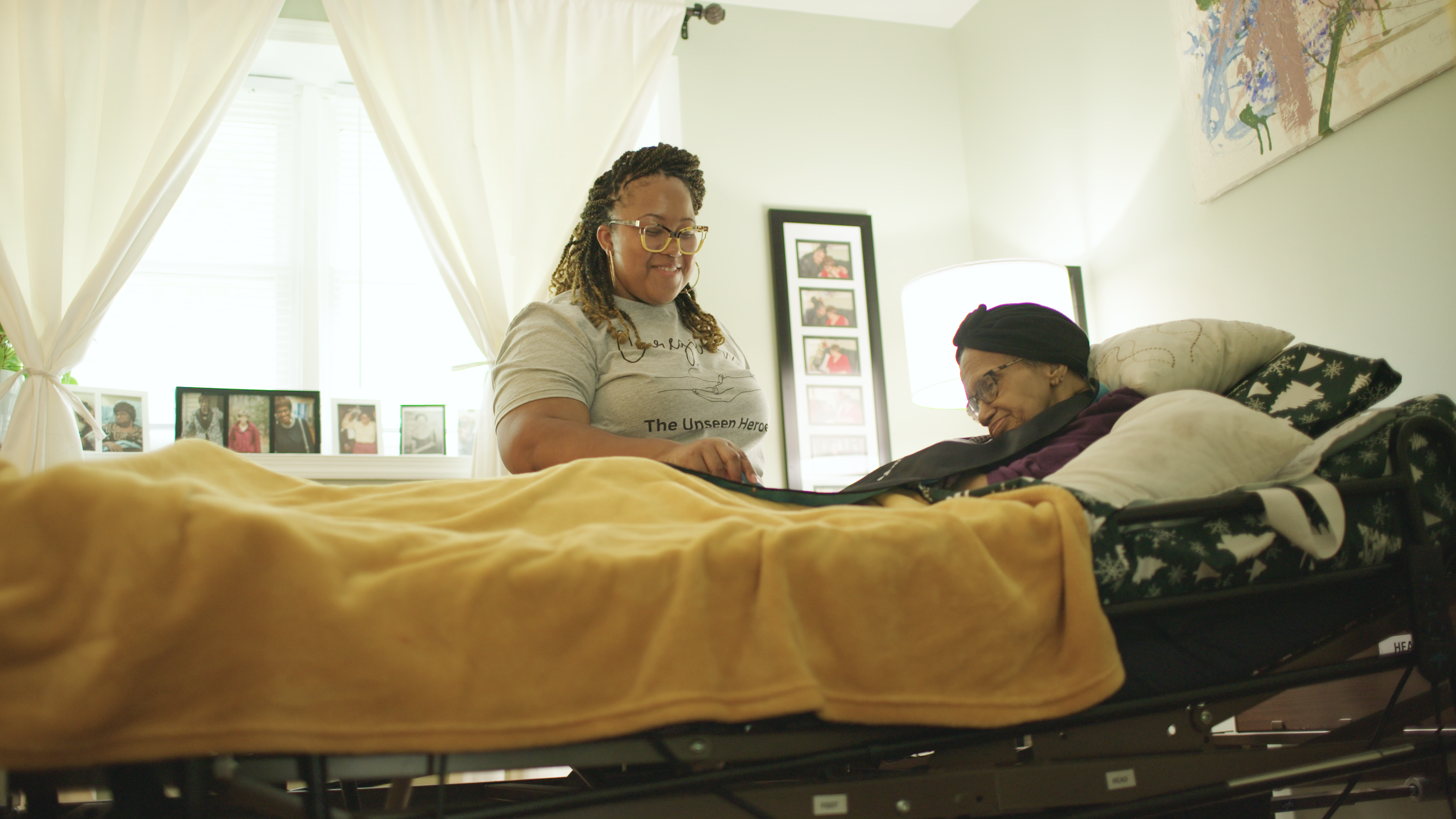
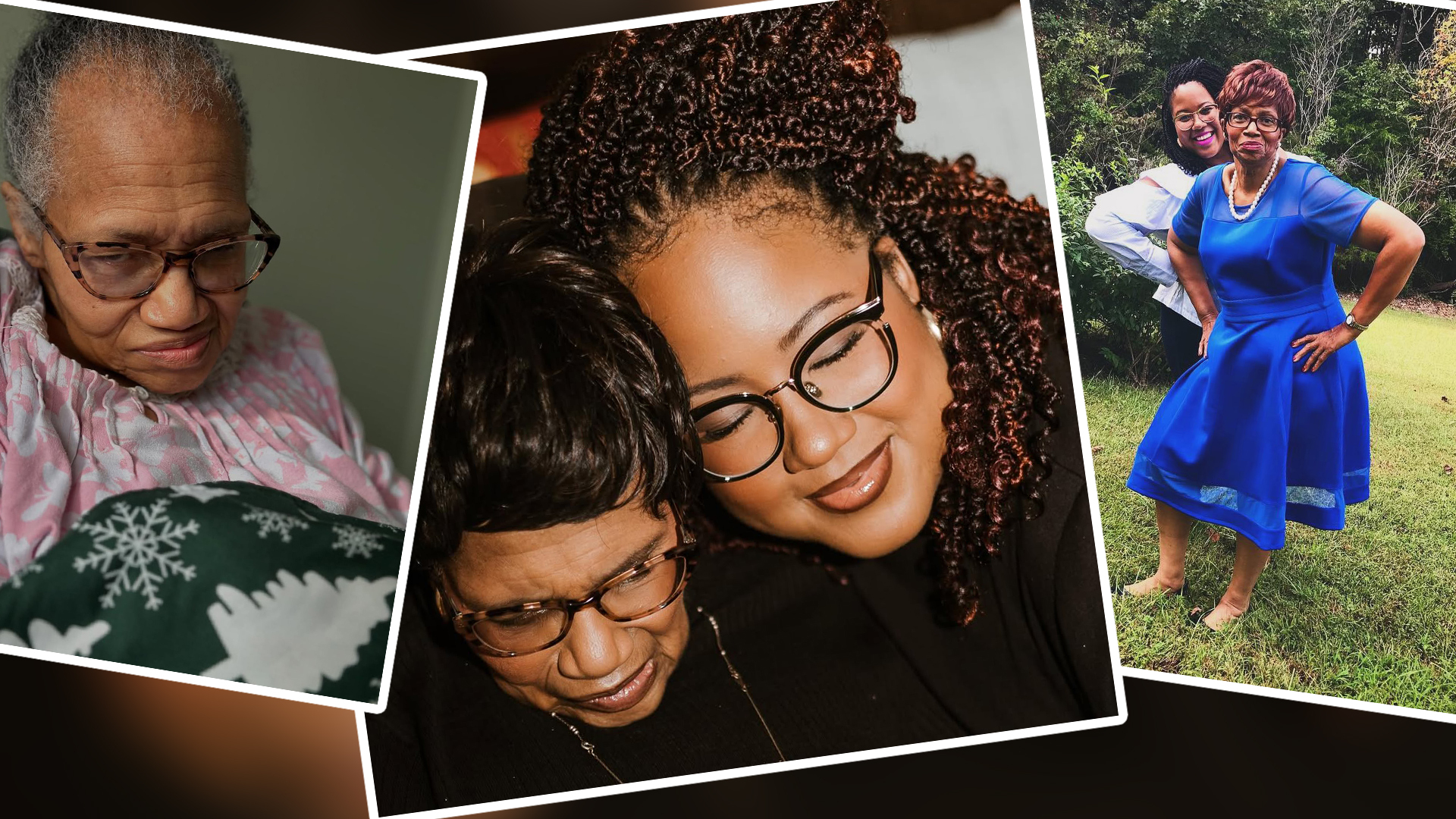
With this video AARP Studios set out to elevate the voices of America’s 63 million family caregivers, an often invisible community whose emotional, financial, and physical burdens directly impact the health and well‑being of families nationwide. Building on the findings of the Caregiving in the U.S. report, our goal was to humanize the data by spotlighting a real caregiver whose story could illuminate the lived realities behind the statistics.
We partnered with Jessica Guthrie, a young caregiver supporting her mother through Alzheimer’s, whose authentic presence and trusted voice on social media have made her a source of guidance and solidarity for others navigating similar challenges. Our objective was to create a short documentary profile and complementary social content that would:
• Bring national visibility to the complex, often overwhelming responsibilities caregivers shoulder every day
• Foster empathy and understanding among non‑caregivers, encouraging them to better support the caregivers in their lives
• Connect caregivers to AARP’s resources, tools, and community support
• Expand awareness of the Caregiving in the U.S. report by grounding its findings in a compelling, personal narrative
By sharing Jessica’s journey we aimed to spark meaningful conversation, reduce stigma, and empower caregivers to seek help. The project was designed to promote healthier lives by validating caregivers’ experiences and ensuring they feel seen, supported, and less alone.
Our strategy centered on transforming AARP’s caregiving research into an emotionally resonant narrative by grounding national data in the lived experience of one caregiver. We identified Jessica Guthrie, a full‑time caregiver for her mother with Alzheimer’s and a trusted caregiver influencer, as the ideal storyteller to bring the Caregiving in the U.S. report to life. Her openness, authenticity, and established online community allowed us to bridge research with real‑world impact in a way that felt human, relatable, and deeply personal.
To honor the sensitivity of Jessica’s role and the vulnerability of her mother’s condition, our execution prioritized respect, intimacy, and minimal disruption. We designed a lean production approach: a three‑person crew, natural lighting, and a single small camera. This allowed us to capture a true “day in the life” without overwhelming their home environment or intruding on caregiving routines. By keeping our footprint small, we preserved the authenticity of moments such as Jessica singing to her mother during breakfast, an exchange made even more powerful because her mother, who is nonverbal, hummed back.
Filming was structured around Jessica’s caregiving schedule. We conducted her interview in the late afternoon, when her mother typically rests, and built in flexibility for breaks whenever caregiving needs arose. These considerations helped build trust, enabling Jessica to speak with honesty and emotional depth about the challenges and joys of caregiving. Her willingness to be vulnerable became the emotional anchor of the piece.
A key creative choice was the use of an EyeDirect system for the interview. This technique allowed Jessica to see the interviewer while looking directly into the lens, creating a powerful sense of connection for viewers. It ensured that her story felt like a direct conversation, an essential element when addressing topics as personal as burnout, financial strain, and navigating complex health systems.
Editorially, we crafted the narrative to balance Jessica’s firsthand experience with research‑backed insights. Instead of presenting statistics in isolation, we wove them into her story to contextualize the broader caregiving landscape. This approach transformed data into meaning, helping audiences understand not just the scale of the caregiving crisis but the human realities behind it.
One of our biggest challenges was distilling a multifaceted issue into a concise video without losing emotional nuance or research significance. We overcame this by focusing on the most impactful moments, those that illustrated both the weight of caregiving and the resilience found in community support. Complementary short‑form videos for social media extended the reach of the campaign, addressing topics like financial strain and how non‑caregivers can offer support.
Through thoughtful production, intentional storytelling, and a deep commitment to honoring Jessica’s experience, we created a piece that elevates caregiver voices, expands awareness of AARP’s research, and fosters greater understanding of the emotional and practical realities caregivers face every day.
The project exceeded its objectives by driving both broad visibility and deep emotional resonance, two outcomes essential to elevating caregiver voices and expanding awareness of AARP’s caregiving resources. Jessica’s story sparked an outpouring of connection from caregivers nationwide, who shared personal experiences and gratitude in response to the video. Comments such as “I don’t feel so alone!” and “Thank you for articulating this so well” demonstrated that the content not only reached viewers but validated their lived realities. One viewer captured the project’s impact perfectly: “Making caregiving challenges visible is the first step in transforming an isolated burden into a shared community effort.”
The campaign also successfully extended AARP’s reach beyond its existing audience by tapping into Jessica’s established caregiver community. Viewers expressed appreciation for being introduced to caregiving through her story, with one noting, “I’m so grateful that thousands, if not millions, of people are being introduced to this type of caregiving for the first time—and it is through YOU.”
Performance metrics reinforced this impact. The long‑form profile earned 93K views and 2.4K engagements, while the three social reels collectively generated 351K+ views and 18K+ interactions.
These results demonstrate success not only in scale but in substance. The campaign fostered meaningful dialogue, expanded access to caregiving resources, and strengthened AARP’s mission to support caregivers through storytelling that is authentic, relatable, and deeply human.