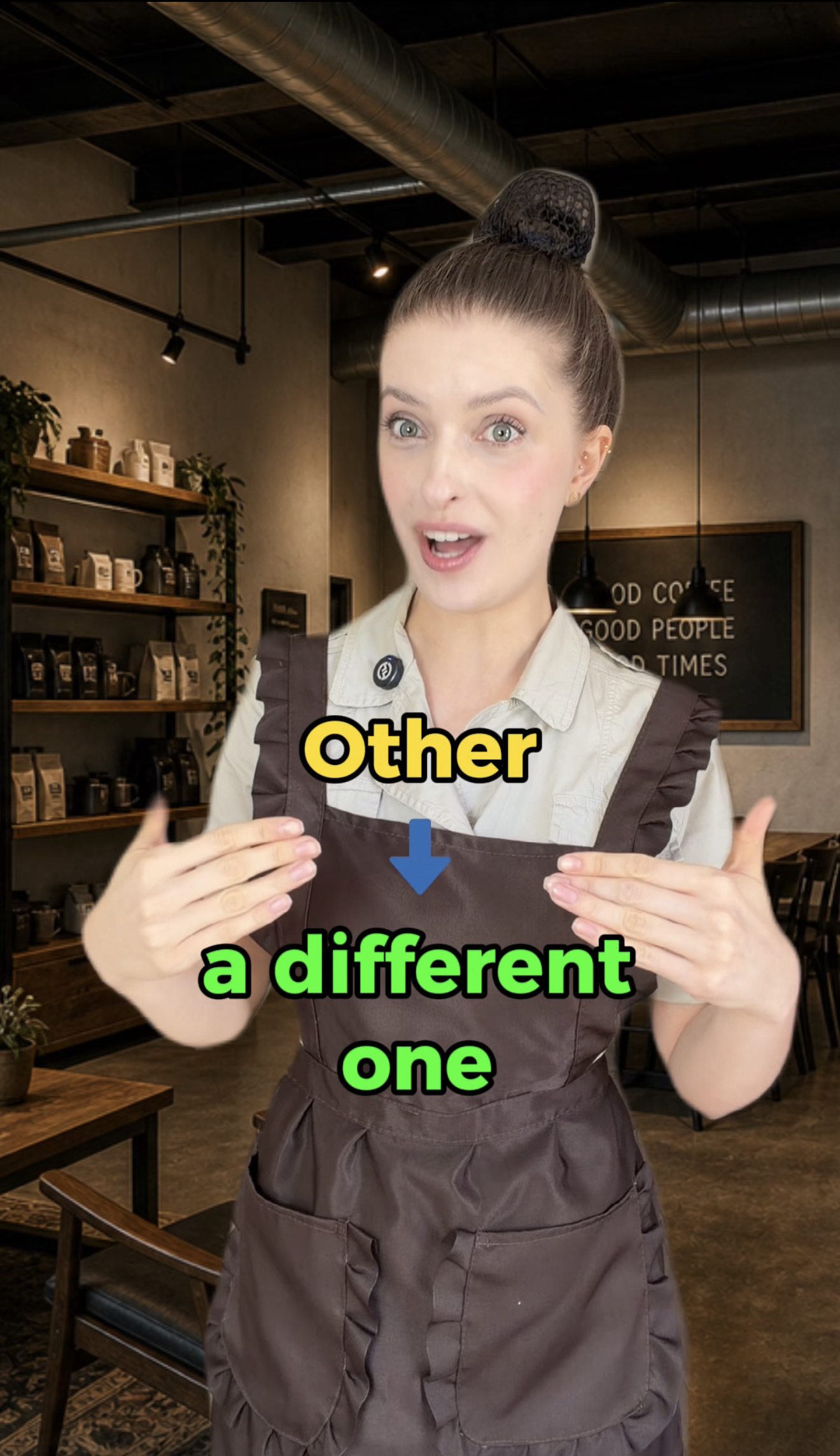
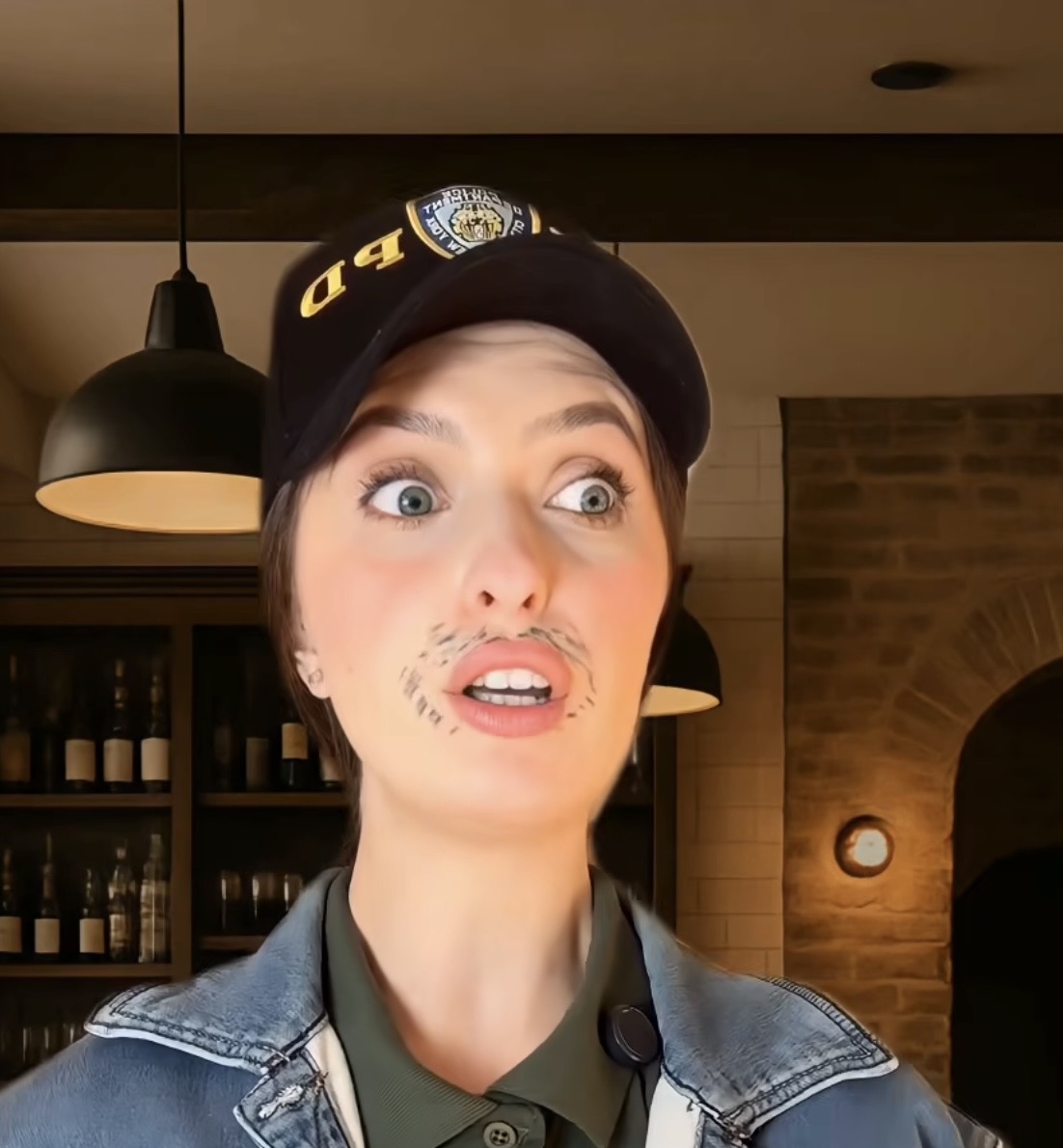
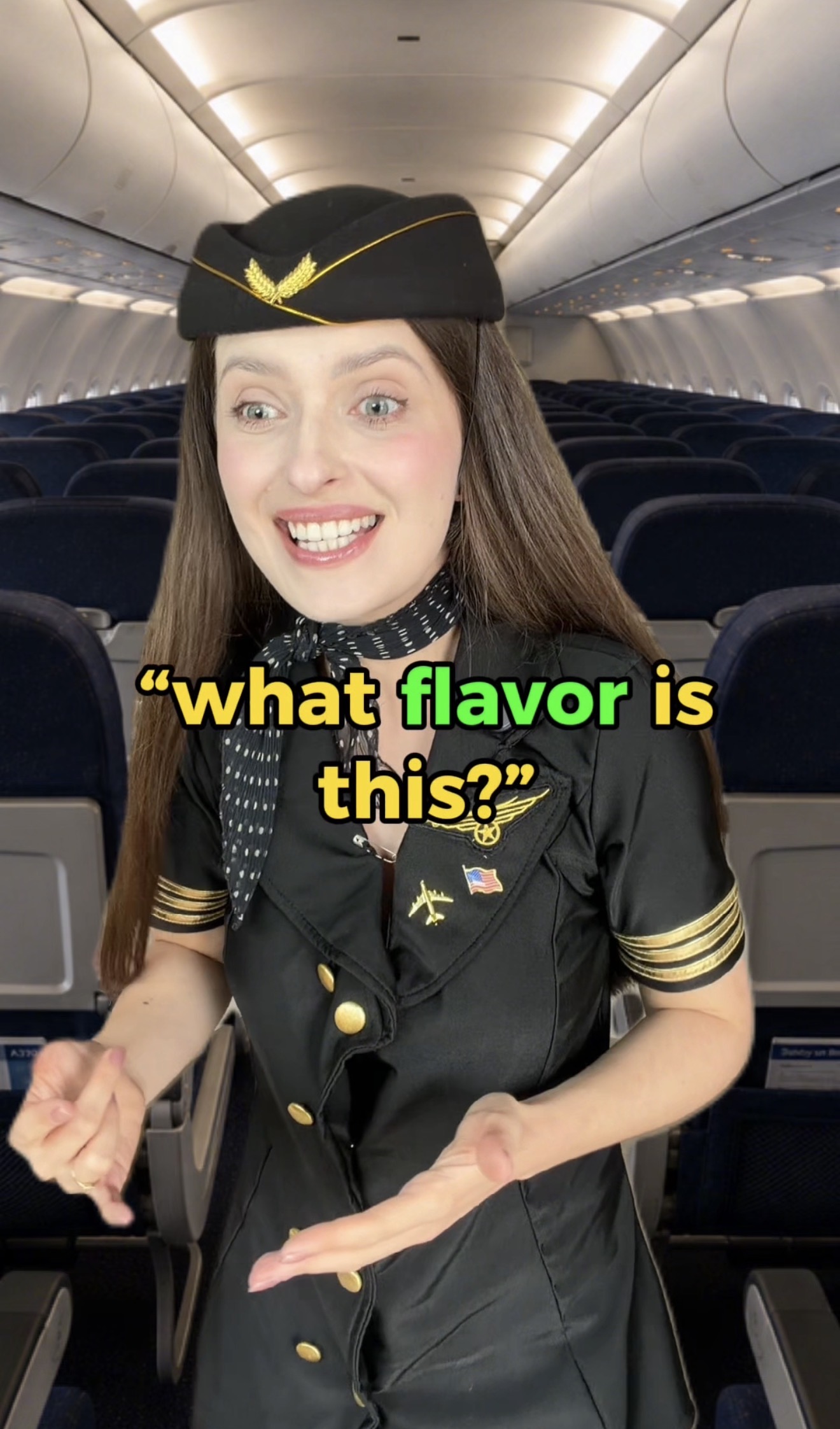
My objective is to make English learning (ESL) accessible, engaging, memorable, and, above all, fun for people around the world. Through short-form videos, I teach essential vocabulary and everyday expressions by bringing them to life in entertaining conversations. Rather than relying on traditional teaching methods, I recreate real-life situations, such as ordering food at a restaurant, and use fictional miscommunication scenarios to demonstrate common mistakes. Each video concludes with a clear explanation, helping viewers understand not only what to say, but why.
As someone who learned English as a second language and later earned a degree in English Linguistics and Literature, I experienced firsthand the gap between classroom English and the language people actually use in everyday life. Many learners spend years studying grammar and textbook expressions but still struggle to communicate naturally. I realized that the problem wasn't only what students were learning but it was also how they were learning it. Traditional lessons can fail to capture attention, making it difficult for learners to retain new vocabulary and expressions.
My strategy was to transform English lessons into short, entertaining stories that people genuinely wanted to watch. Instead of teaching isolated grammar rules or vocabulary lists, I created fictional yet highly relatable conversations that reflected everyday situations, such as ordering at a restaurant, visiting a doctor, checking into a hotel, or talking to a flight attendant. By portraying multiple characters myself, I turned each lesson into a mini sketch that entertained first and educated second. Humor, relatable misunderstandings, and storytelling made the language memorable, allowing viewers to naturally absorb expressions in context rather than simply memorizing them.
I first developed this format during the COVID-19 pandemic, when I had to teach my students remotely. Keeping students engaged through a screen was a challenge, so I experimented with role-playing different characters and acting out conversations to make lessons more dynamic. The difference in student engagement was immediate. What began as a way to hold my students' attention evolved into the creative approach that now defines all of my content.
When I shared one of these role-playing videos online, it quickly went viral, confirming that millions of English learners were looking for a more engaging way to learn. Since then, I have grown an audience of more than 17 million followers across social media while continuing to refine my storytelling approach to make every lesson educational, entertaining, and easy to remember.
Executing this strategy requires careful planning. Every conversation is based on authentic English, common mistakes made by learners from around the world, and natural speech patterns used by native speakers. I also taught myself video production and editing to maximize audience retention, ensuring each video captures attention within the first few seconds and keeps viewers engaged until the explanation at the end.
Today, my mission remains the same: to make English learning accessible, engaging, memorable, and above all, fun. By combining education with storytelling and entertainment, I've been able to reach millions of learners worldwide, helping them build confidence and remember English not because they memorized it, but because they experienced it through stories they'll never forget.
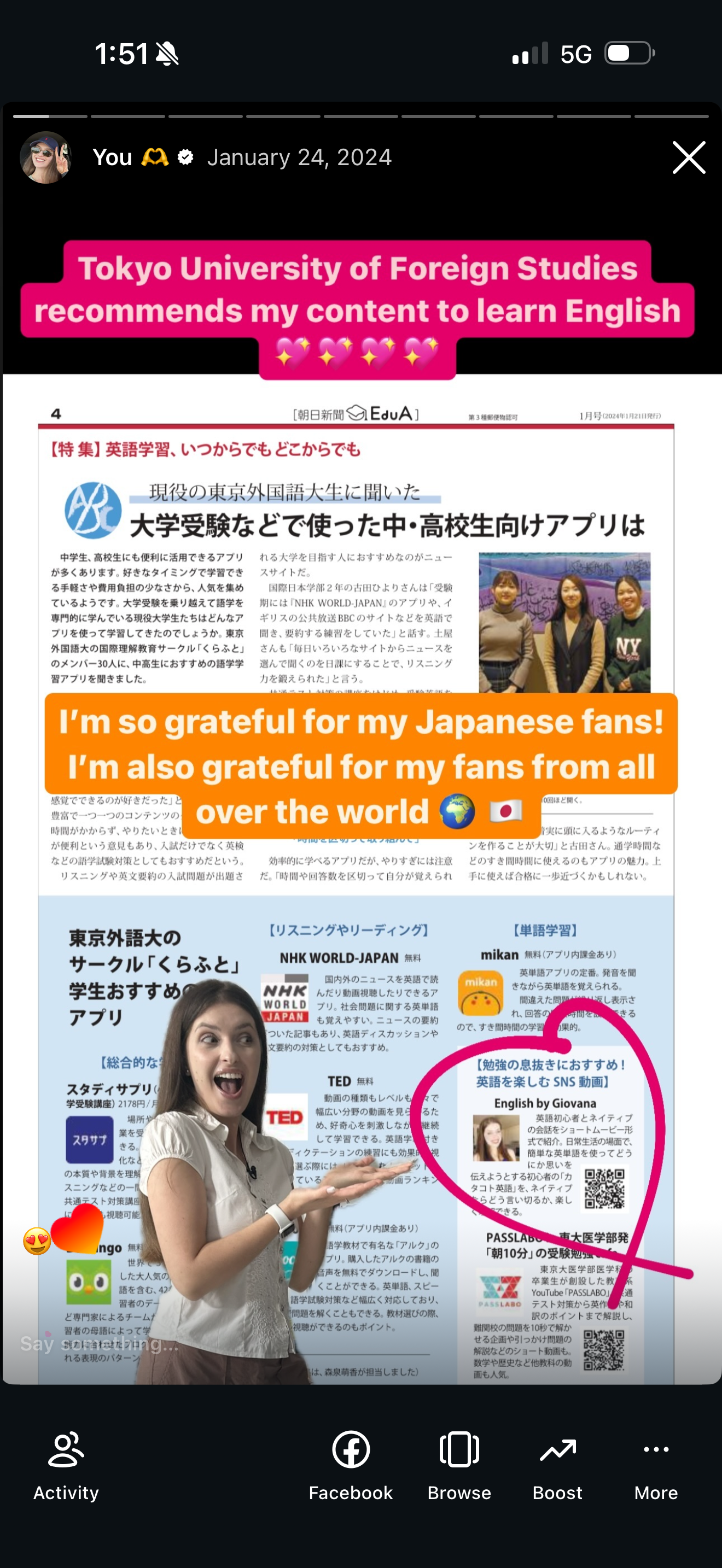
Beyond audience growth, my teaching methodology has gained recognition from educational institutions and industry leaders. I've been invited to participate in university lectures and educational initiatives, sharing my approach to making language learning more engaging and memorable. This includes speaking at an online conference hosted by the University of Guadalajara in Mexico, where I discussed my teaching methodology with educators and students.
My work has also led to invitations for interviews, educational events, and international brand campaigns, including opportunities in Chicago and collaborations with leading education and AI companies. These invitations reflect the growing recognition of storytelling and entertainment as powerful tools for language education.
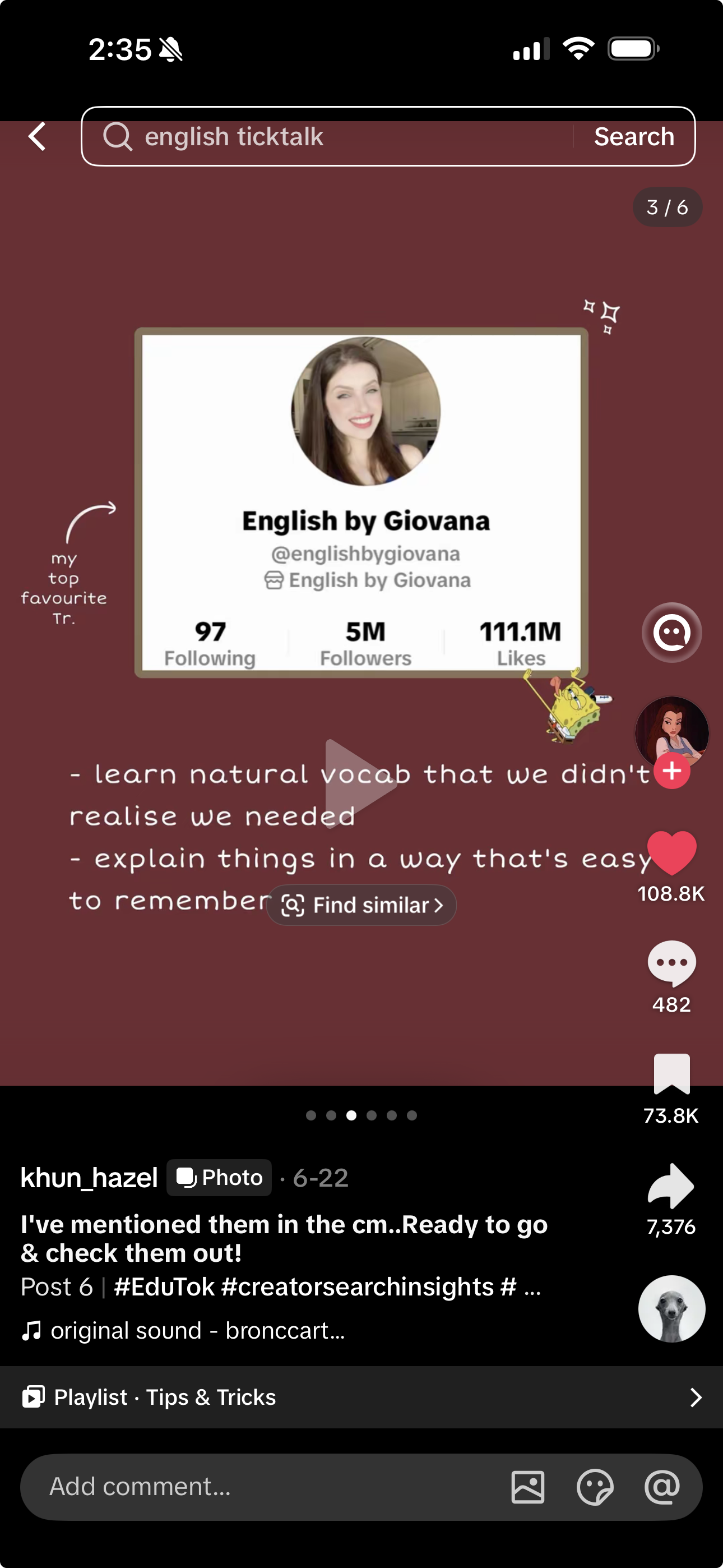
In addition, my work has been featured in publications including RIC, TopView, Voyage Michigan, and PerúMira. I have also collaborated with educational brands and AI-powered language-learning platforms, exploring how technology can make English education more accessible, engaging, and effective for learners around the world.
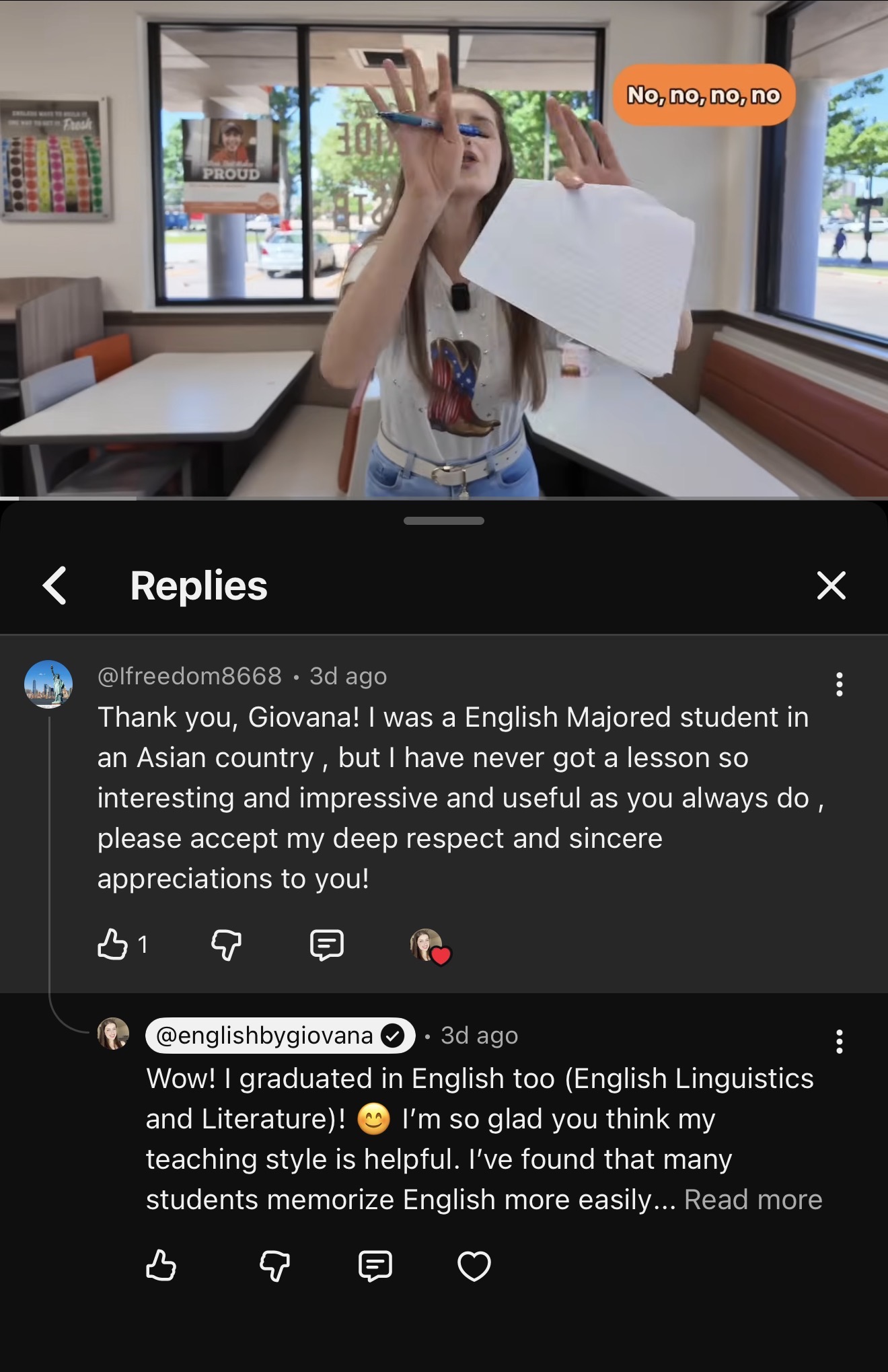
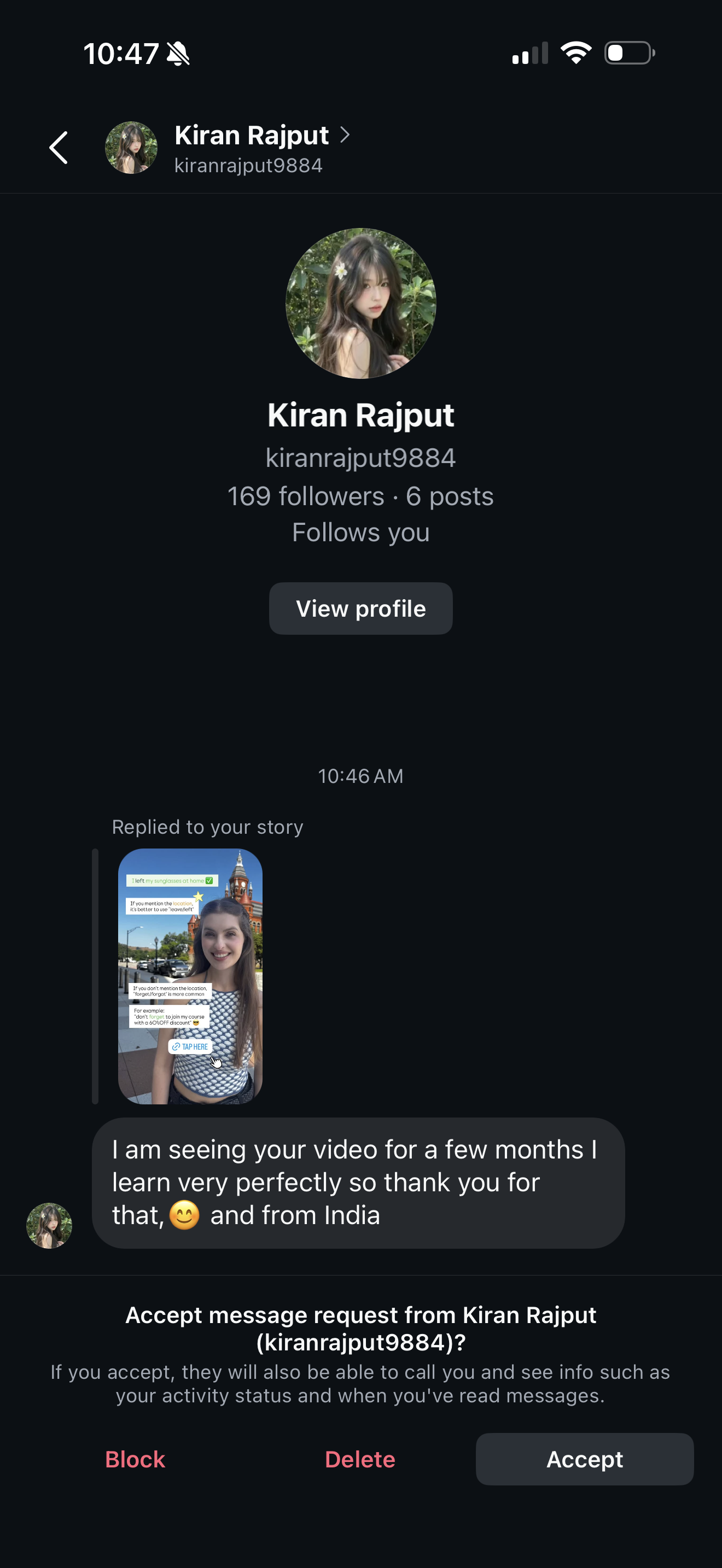
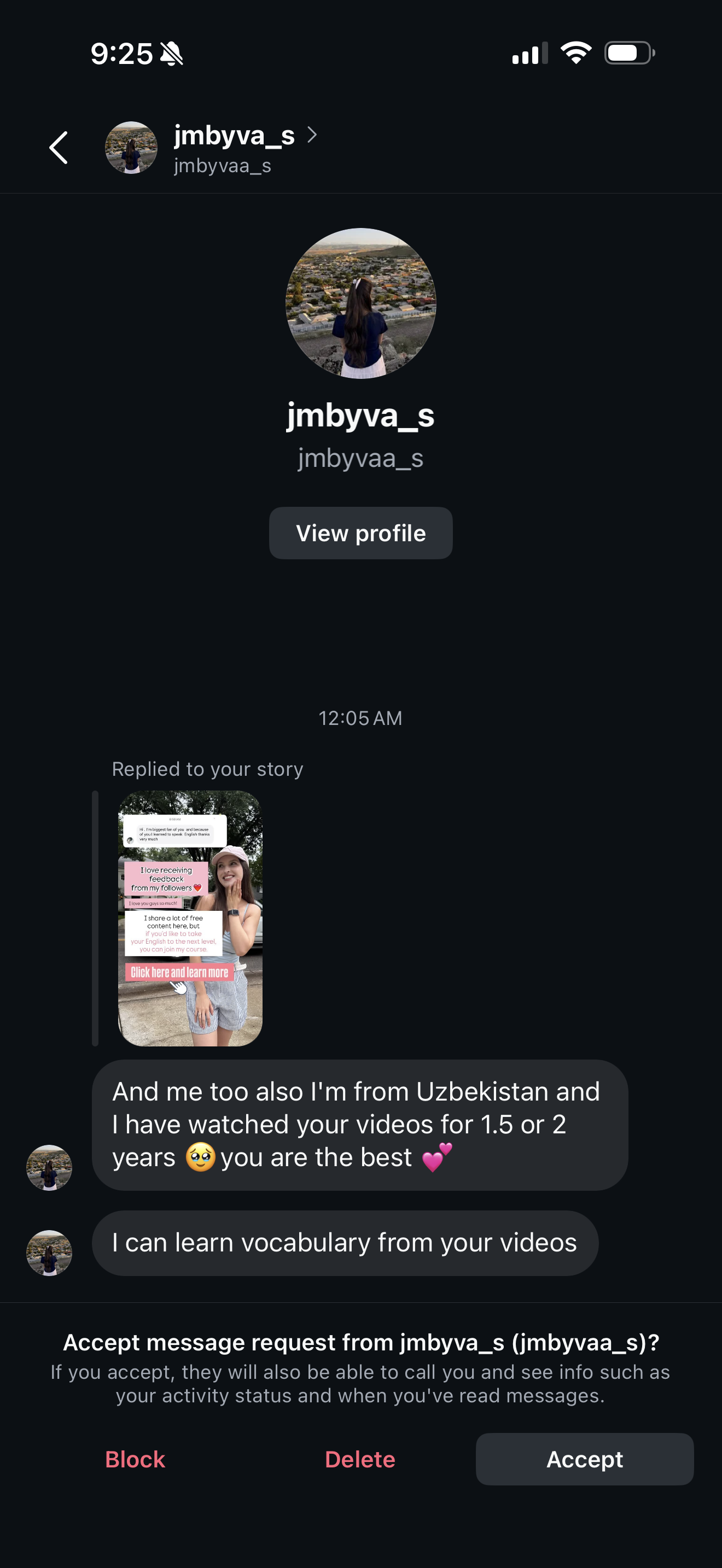
The greatest measure of success isn't the number of followers I've gained, but the number of learners who have learned something. Whether it's a student passing an exam, speaking English for the first time during a trip abroad, or thanking me years later in person at a theme park in Orlando, these moments remind me that making learning fun and memorable can have a lasting impact on people's lives.