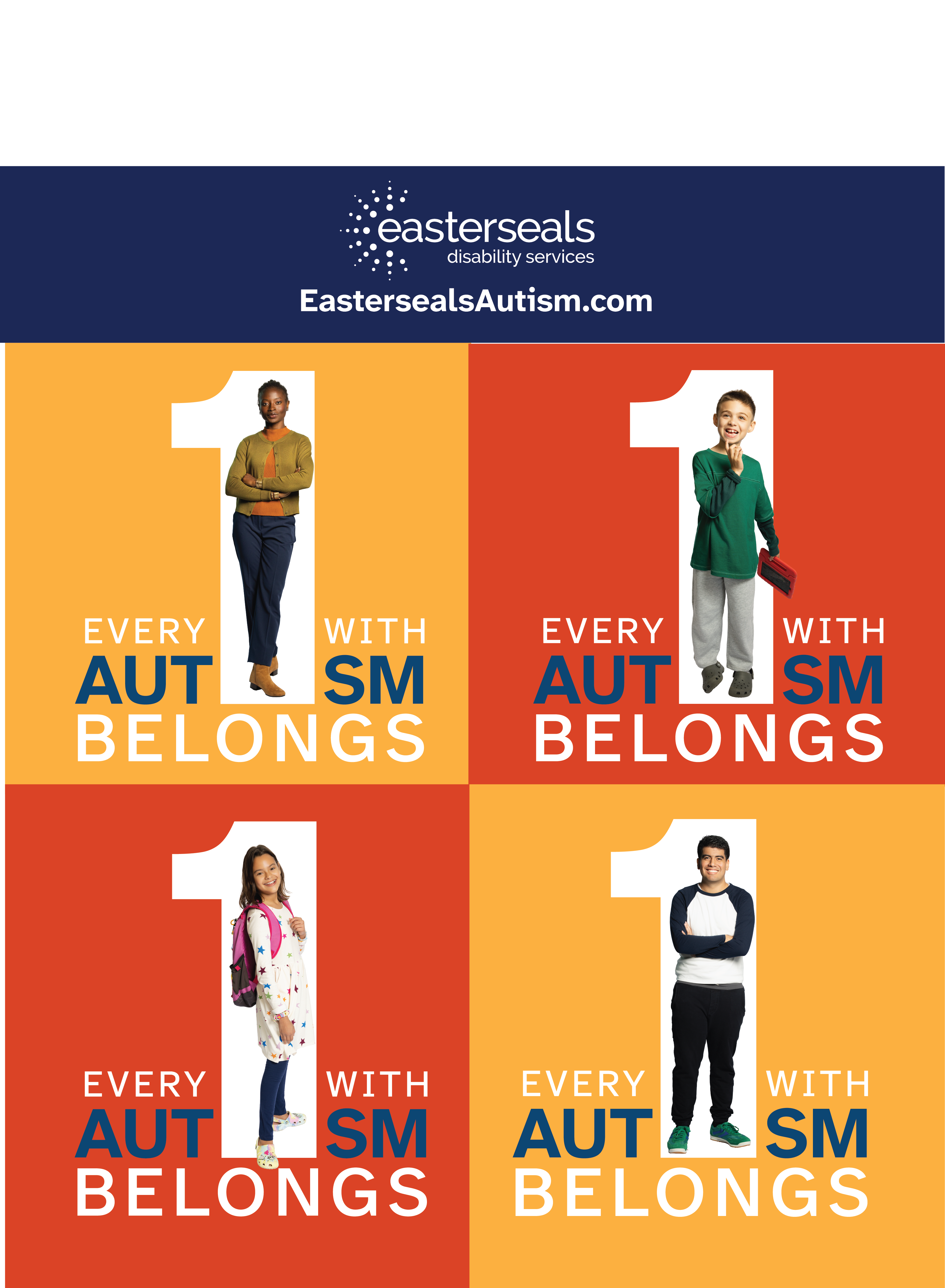
Following the success of Easterseals' nationally recognized and award-winning Disability is Not a Dirty Word campaign, which helped reframe the conversation around disability, the team led by the House of JOY agency was tasked with developing and launching the organization's first-ever campaign focused on autism, which is actually their #1 service area. The assignment was to build on that momentum and deepen the conversation by shifting perceptions of autism from awareness to belonging and launch the campaign in April during Autism Acceptance Month.
From the outset, the objective was clear: create a campaign rooted in authenticity that reflects the lived experiences of the autism community, while inspiring tangible behavior change among broader audiences. Rather than leading with assumptions, our team prioritized listening. The agency conducted 16 stakeholder interviews, with 73% of participants having lived experience with autism, ensuring that the campaign was shaped by the very voices it intended to represent. Of the 27 people who were engaged directly with the development of the campaign, 21 (78%) had autism or a direct personal connection to autism through a family member or loved one, ensuring lived experience was embedded throughout the creative process as well.
A secondary objective was to continue to raise awareness and support in Southern California markets of the Easterseals brand and disability services.
To inform the campaign strategy, the team conducted in-depth stakeholder interviews with 16 individuals, including six people with autism. Overall, 73% of participants had lived experience with autism, representing Autism Services leadership and advisory board members, parents of autistic children, a former board member, and a nationally recognized autism leader. The core project team also included three professionals with autism and eight agency team members who either have autism or identify as having another disability, ensuring lived experience informed every stage of the campaign.
This research uncovered a powerful insight: belonging is fundamental. When people with autism are excluded or isolated, they are denied opportunities to thrive, and the resulting loneliness can contribute to additional mental health and social challenges. Stakeholders emphasized that society must move beyond awareness and acceptance toward genuine understanding and belonging. Just as importantly, many people want to be inclusive but are unsure how to create environments where autistic individuals feel welcomed. This insight became the foundation of the campaign, inspiring creative that illustrates belonging across everyday settings while directing audiences to practical educational resources.
The creative solution centered on the universal power of the number one (1). Autism doesn't look the same for everyone—each person's strengths, challenges, and experiences are unique. By recognizing the one in every story and respecting each individual's needs and voice, we move closer to a world where every1 with autism belongs. At its heart, the campaign reflects a universal truth: everyone wants to be seen, accepted, valued, and included.
Every1 with Autism Belongs represents a meaningful evolution of the Easterseals brand narrative. Rather than simply encouraging audiences to rethink autism, the campaign inspires people to take meaningful action to create communities where individuals with autism feel seen, supported, and celebrated.
The campaign launched through an integrated, multi-platform approach. A cinematic hero film debuted with a sneak peek during the 2026 Paralympics, introducing the campaign's message of belonging to a broad audience ahead of Autism Acceptance Month. The film was supported by digital and social content featuring first-person storytelling, short-form videos, custom social stickers, and shareable assets designed to encourage participation and spark conversation.
A dedicated digital hub, EastersealsAutism.com, serves as both an educational resource and a call to action. The site features autism facts, practical resources, merchandise, and an interactive Autism Facts Quiz that helps visitors better understand autism while providing tangible ways to foster belonging in their own communities. Social content reinforced these themes by encouraging audiences to reflect on their own actions and share their commitment to inclusion.
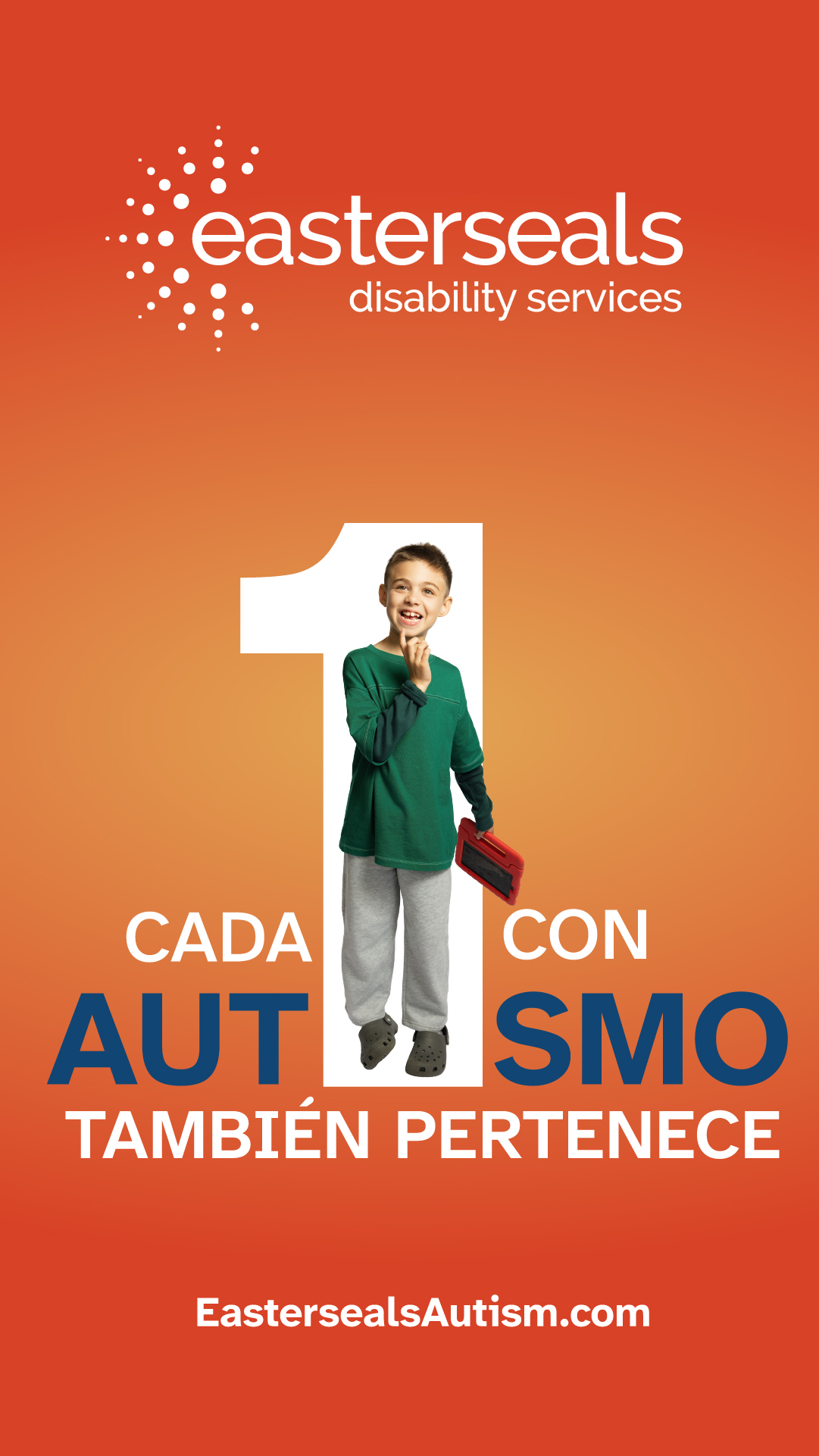
Recognizing the importance of reaching Southern California's diverse communities, the campaign was fully transcreated into Spanish, including custom versions of videos, digital content, social assets, and out-of-home creative. Additional out-of-home placements, strategic partnerships, and earned media outreach amplified visibility and generated national conversation throughout Autism Acceptance Month. A robust influencer program enlisted five creators to authentically share stories of autism, belonging, and allyship through the #WhatsYour1 campaign, driving audiences to Easterseals' educational resources while expanding the campaign's reach and impact.
Early results show that the Every1 With Autism Belongs campaign generated more than 312 million impressions across paid media channels, including TV, streaming, digital, outdoor, radio, and print. Audiences completed more than 5.5 million video views, with outstanding completion rates of 98.45% on TV/streaming and 78.71% on digital, while digital efforts drove 17,000+ clicks.
The campaign garnered national earned media coverage across television, radio, podcasts, and digital platforms, including ABC7, KTLA, Spectrum News 1, iHeartRadio, and Disability & Progress, extending the conversation to millions of viewers and listeners.
The campaign's influencer initiative enlisted five creators to authentically share stories about autism, belonging, and allyship through the #WhatsYour1 campaign, generating 1.8 million video views, more than 68,000 engagements, a 3.8% engagement rate, and 21 pieces of cross-platform content, while driving audiences to Easterseals' educational resources and Autism Facts Quiz.
The anticipated total impact for the campaign is 933 million+ impressions. In a short time, the campaign proved the power of shifting the conversation from awareness to belonging and was so successful that the national brand adopted it for rollout across the U.S.