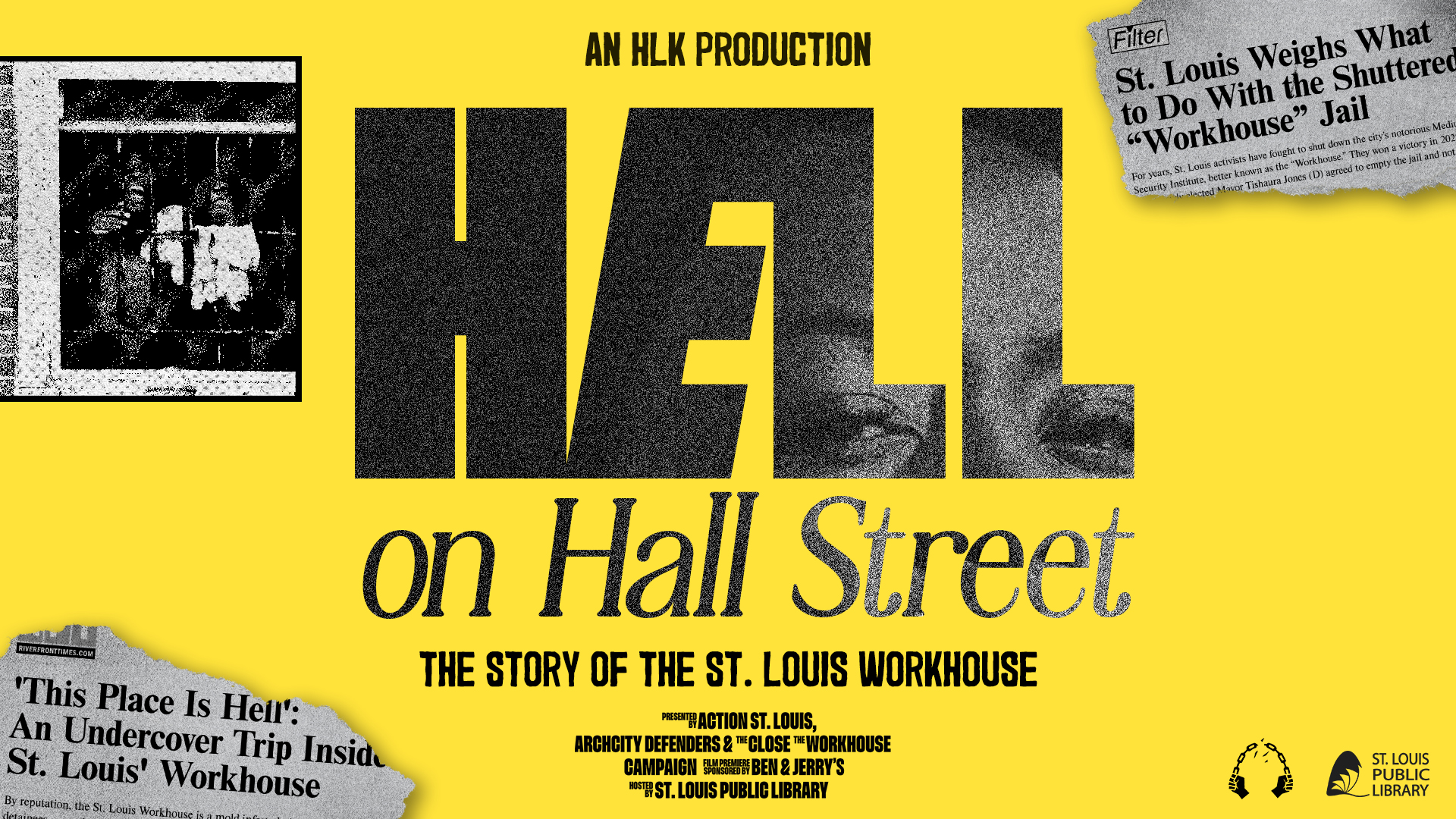
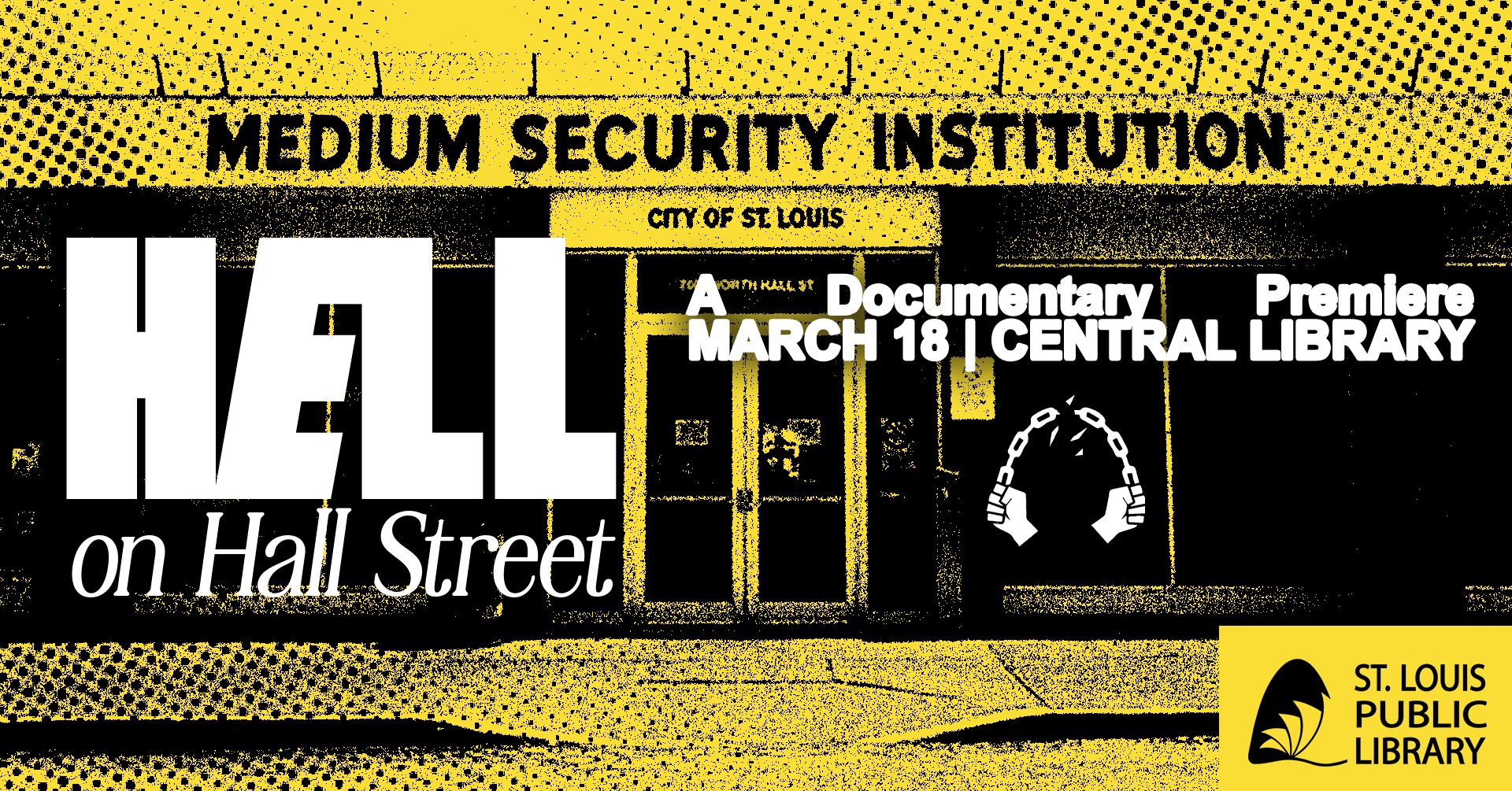
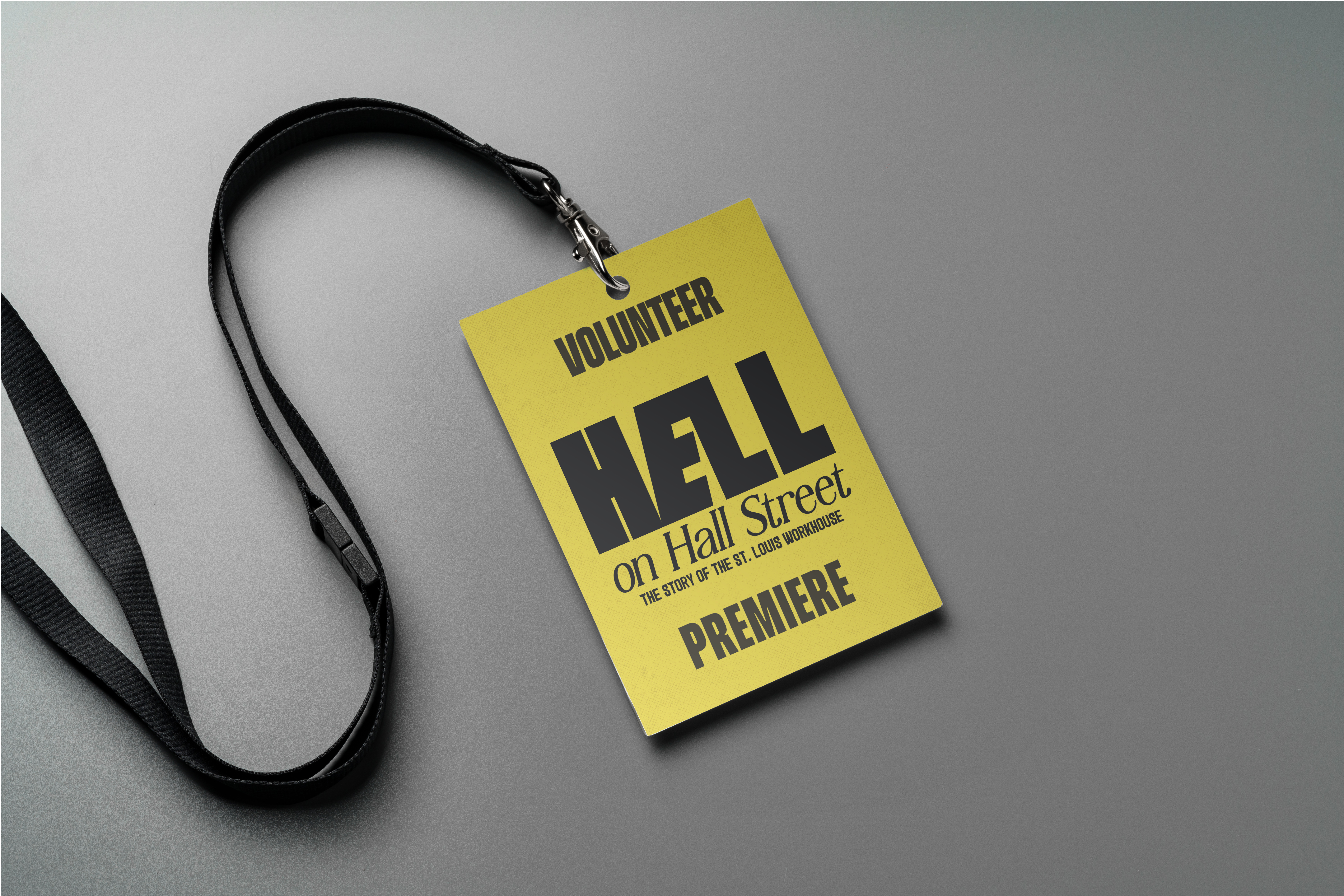
Hell on Hall Street was created to document, preserve, and amplify the full story behind one of the most significant grassroots justice movements in St. Louis: the fight to close and ultimately demolish the Medium Security Institution, widely known as the Workhouse. Led by ArchCity Defenders in partnership with community advocates and organizers, the movement transformed years of legal advocacy and public pressure into tangible systemic change. While earlier efforts focused on sustaining urgency around demolition, this documentary shifts from mobilization to legacy—capturing the human cost of the facility and the community power that led to its end.
The objective was twofold. First, to center the voices of formerly incarcerated individuals and directly impacted community members, many of whom had never publicly shared their experiences, ensuring the story of the Workhouse was told with authenticity and emotional truth. Second, to create a durable cultural artifact that could extend the impact of ArchCity Defenders’ “Close the Workhouse” campaign beyond St. Louis, offering a blueprint for advocacy, legal strategy, and community organizing in other cities confronting similar systems.
Premiering one year after the facility’s demolition, the film was designed not just as a retrospective, but as proof of what sustained, community-led action can achieve. It reframes the closure not as an isolated event, but as a case study in how public pressure, storytelling, and legal advocacy can intersect to dismantle systemic harm.
The strategy behind Hell on Hall Street was to expand a moment into a movement narrative—transforming years of activism, legal battles, and lived experiences into a cohesive, feature-length documentary that balances emotional storytelling with systemic insight. Central to this approach was documenting the leadership role of ArchCity Defenders and their sustained efforts to challenge the injustices of the Workhouse through both legal action and community organizing.
Narratively, the film is structured around three core pillars:
This approach ensures the film operates on both an emotional and intellectual level — inviting empathy while also equipping viewers with an understanding of how change actually happens.
Visually, the documentary builds on the tone established by previous campaigns but broadens its scope. Archival protest footage, legal proceedings, and media coverage are interwoven with intimate interviews and present-day reflections, including voices from ArchCity Defenders, community leaders, and those directly impacted. The Workhouse itself remains a central visual motif — first as a looming symbol of harm, and ultimately as a site of absence, reinforcing the idea that physical demolition does not erase historical impact.
Execution required navigating both logistical and ethical challenges. Many participants were sharing traumatic experiences, so the production prioritized trust, consent, and care in how stories were captured and edited. At the same time, the team had to synthesize a multi-year, multi-stakeholder effort into a narrative that remained coherent and compelling — despite the fact that the story itself was actively unfolding during production. The film evolved alongside the movement, spanning key phases from pre-closure conditions, to the “Empty Not Closed” period, and ultimately to the demolition of the facility. In parallel, ongoing public debate around how to reinvest funds previously allocated to the Workhouse continued to shape the broader narrative. These shifting realities required the team to continuously reassess structure and storytelling, ensuring the final film accurately reflected both the outcome and the unresolved tensions that persisted beyond demolition.
Distribution began with a premiere at the St. Louis Public Library’s Central Library — an intentional choice to ground the film within the community most affected — before expanding through partner organizations, advocacy networks, and sponsors including Ben & Jerry’s and the Freedom Community Center. The goal was to position the film not just as content, but as a tool for continued education, discussion, and organizing.
Hell on Hall Street successfully transformed a local victory into a broader cultural and advocacy moment, further amplifying the impact of ArchCity Defenders’ work. Its premiere drew a strong, engaged audience of community members, advocates, and stakeholders, generating immediate discussion around both the legacy of the Workhouse and the future of justice reform in St. Louis.
Audience feedback highlighted the film’s emotional impact and its ability to surface previously unheard perspectives, particularly from formerly incarcerated individuals whose stories had not been publicly documented. Viewers described the documentary as both “eye-opening” and “mobilizing,” reinforcing its dual role as storytelling and advocacy.
Beyond the premiere, the film has begun to serve as an educational and organizing asset for partner organizations, extending the life of the “Close the Workhouse” movement. By clearly outlining the strategies behind the campaign, it provides a replicable model for other communities seeking systemic change.
Most importantly, the documentary cements the closure and demolition of the Workhouse as more than a policy outcome—it reframes it as a people-powered victory. In doing so, Hell on Hall Street ensures that the voices, efforts, and impact of the movement are not only remembered, but continue to inspire action elsewhere.