India VS Tech Hinsa (tech-based violence) was built for Chhaa Jaa (Hindi for “Shine On”), Girl Effect’s youth platform for India’s Hindi-speaking regions. Girl Effect empowers young women with the tools and confidence to own their futures.
The challenge: make 18–24-year-olds recognise Online Gender-Based Violence without producing yet another PSA.
Tech Hinsa rarely announces itself as abuse. It looks like location tracking, password demands, or calling control “care.” Young people had witnessed these behaviours but lacked a name for them.
Our objective was recognition. We wanted them to see their experiences in our content and think: “That’s happened to me.” And once recognised, give them the language and support to act.
The strategic idea: Make real experiences the campaign, rather than a campaign about experiences. Girl Effect and Teen Bandar built a Gen Z-first ecosystem combining real voices, creators, and Girl Effect’s Bol Behen (Speak Sister) support platform.
The ambition: Turn a taboo issue into something young India could recognise, name, and discuss — giving a generation a vocabulary for the violence hiding in their phones.
We didn’t lecture young India about Tech Hinsa. We made young India the conversation.
Girl Effect and Teen Bandar didn’t just collaborate; we dove into the problem together. Through active workshops, we moved past standard audience data to really dig into what makes Gen Z tick. We wanted to find the specific voices and perspectives that would actually make young men and women stop scrolling and listen
Real Men & Women became the creative.
At the centre was India VS Tech Hinsa — a Vox Pop series of 10 vertical videos shot across streets, campuses and cafés.
Instead of actors performing scripted scenarios, we put real questions to real young Men & Women: When does concern become control? Is asking for your partner’s password okay? What does consent mean over text?
The answers were unscripted, awkward, funny, uncomfortable and, most importantly, real. These weren’t manufactured examples of tech violence — they were real instances and experiences shared by young Men & Women themselves. Their experiences became the content.
Fast-cut vertical films in Hindi and Hinglish made a serious issue feel native to the platforms where Gen Z already spends its time.
We chose influence for relevance, not just reach.
Every creator, influencer and celebrity was carefully handpicked based on their audience, credibility, work and, wherever relevant, their own experiences with tech violence.
Jemimah Rodrigues (~4M followers), who had herself experienced intense online trolling and abuse extending to her faith and family, brought lived experience into the mainstream conversation.
Spoken-word poet Swati shared her Tech Hinsa story, generating 14.5M views across three reels. “The lawyer girlie” unpacked the legal reality of private-image sharing, generating 3.5M views, while RJ Yashi brought the issue into everyday youth conversation, reaching 6.7M views.
Mann Talks, We Are Yuva, POV Mumbai and rapper Namrata Bhosale each reframed the issue through a different cultural lens.
Then came Chhaa Jaa’s biggest celebrity collaboration yet: Bhumi Pednekkar.
One of Bollywood’s leading actors, Bhumi’s relevance extended far beyond cinema. Through initiatives such as Climate Warrior and her advocacy around social and environmental issues, she had built a public identity around using her influence for change — making her a natural fit for Chhaa Jaa.
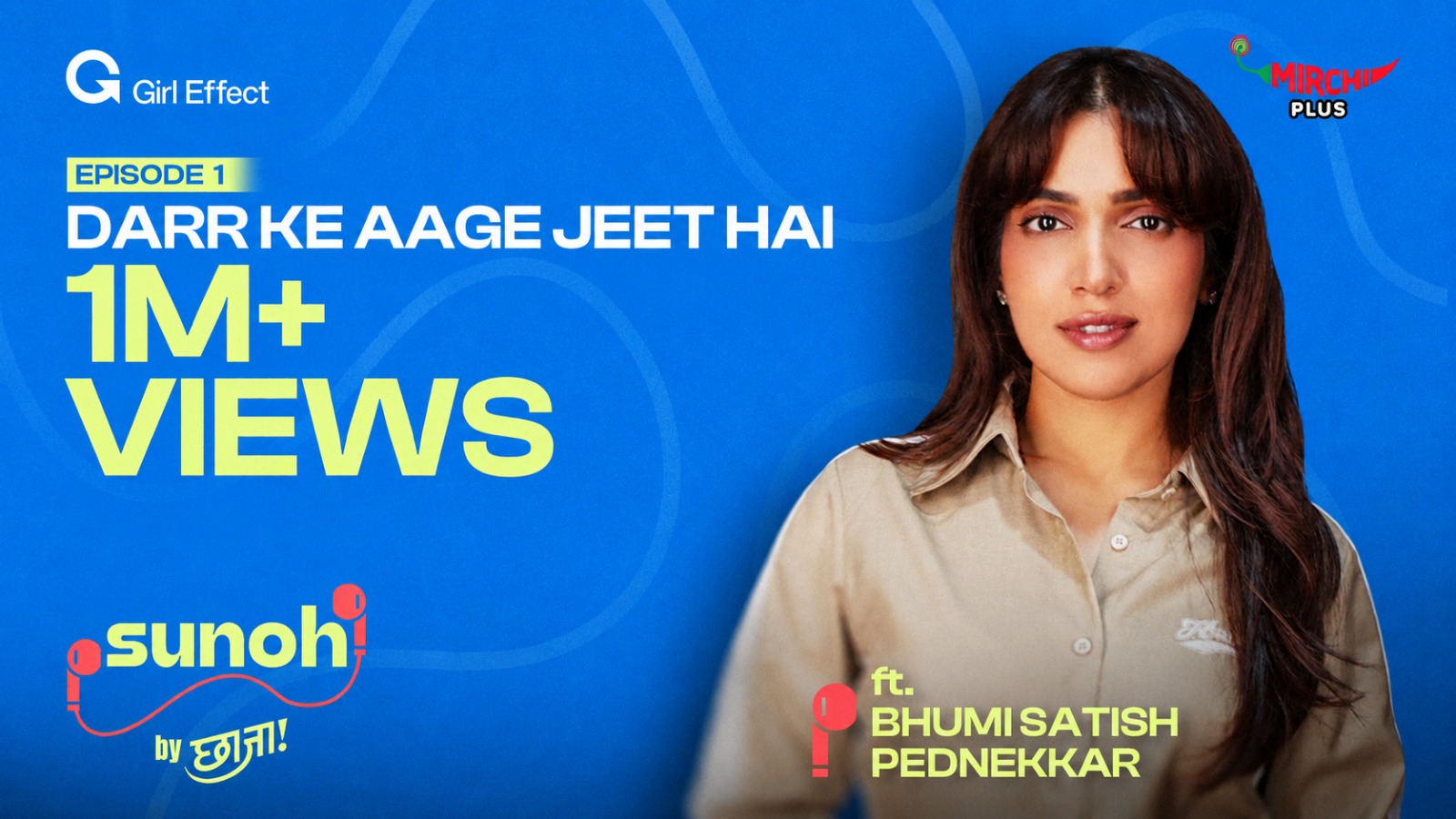
Bhumi became the voice of Sunoh (Listen), an audio series exploring the more emotional and personal stories of tech violence. Her presence brought scale and credibility, while the audio format gave heavier experiences the space and sensitivity they needed.
And we kept the conversation alive.
Teen Bandar built an always-on layer of digital-consent and digital-rights explainers, comment-and-block content, campus and WhatsApp culture, recaps and comment-response reels.
Real experiences created the stories. Real audience voices kept them moving.
144M+ views. 10 Vox Pops. Millions of conversations. One new phrase for a form of violence young India had experienced but struggled to name: Tech Hinsa.
At the centre of the campaign, the 10 vertical videos of India VS Tech Hinsa generated 85M+ views across Instagram, Facebook and YouTube — averaging more than 8.5M views per episode.
The series delivered 55.5M Instagram views, 20.4M Facebook views and 8.6M YouTube Shorts views. The strongest episode crossed 12.8M views, while Episode 9 alone generated 170K+ likes.
But India VS Tech Hinsa was designed to be bigger than one content series.
Our handpicked creator ecosystem took the conversation into poetry, law, relationships, culture and personal testimony. Swati generated 14.5M views across three reels, RJ Yashi reached 6.7M, and “the lawyer girlie” generated 3.5M views.
Chhaa Jaa’s biggest celebrity collaboration, Sunoh with Bhumi Pednekar, took the conversation even further, generating ~19M views, with its launch episode alone reaching 6.2M views.
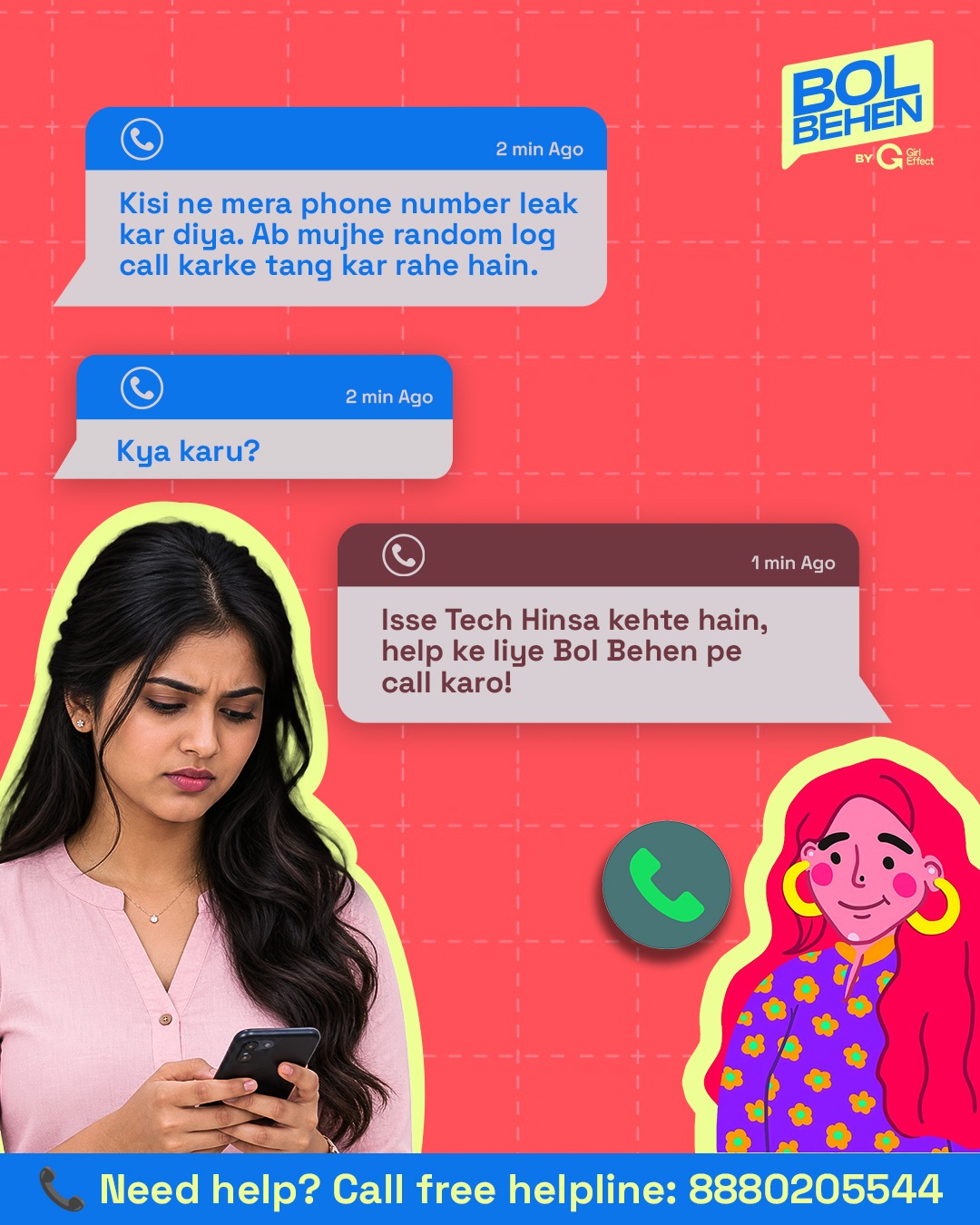
Most importantly, awareness had somewhere to go. Content directing young Men & Women towards Girl Effect’s Bol Behen support ecosystem generated 11M+ views, connecting mass awareness with a pathway to support.
The campaign ultimately generated 144M+ tracked views across its content ecosystem.
But its biggest achievement wasn’t just the number.
We gave young India a name for something millions had experienced.
We made them recognise it.
We made them talk about it.
We made them call it Tech Hinsa.
*All figures are based on campaign tracking and subject to final platform verification