Destination advertising is filled with fast edits, packed itineraries, and endless lists of must-see attractions. The result is a category where every place begins to look and sound the same.
Visit Seattle set out to challenge that convention by introducing audiences to the city in a completely different way. Rather than telling viewers what to do in Seattle, we wanted them to simply experience what it feels like to be there. Our objective was to create advertising that people would choose to spend time with instead of skip—building a deeper emotional connection with Seattle while increasing completed video views and reducing audience drop-off.
The strategy was rooted in a simple insight: Seattle's greatest luxury isn't adrenaline or spectacle—it's calm.
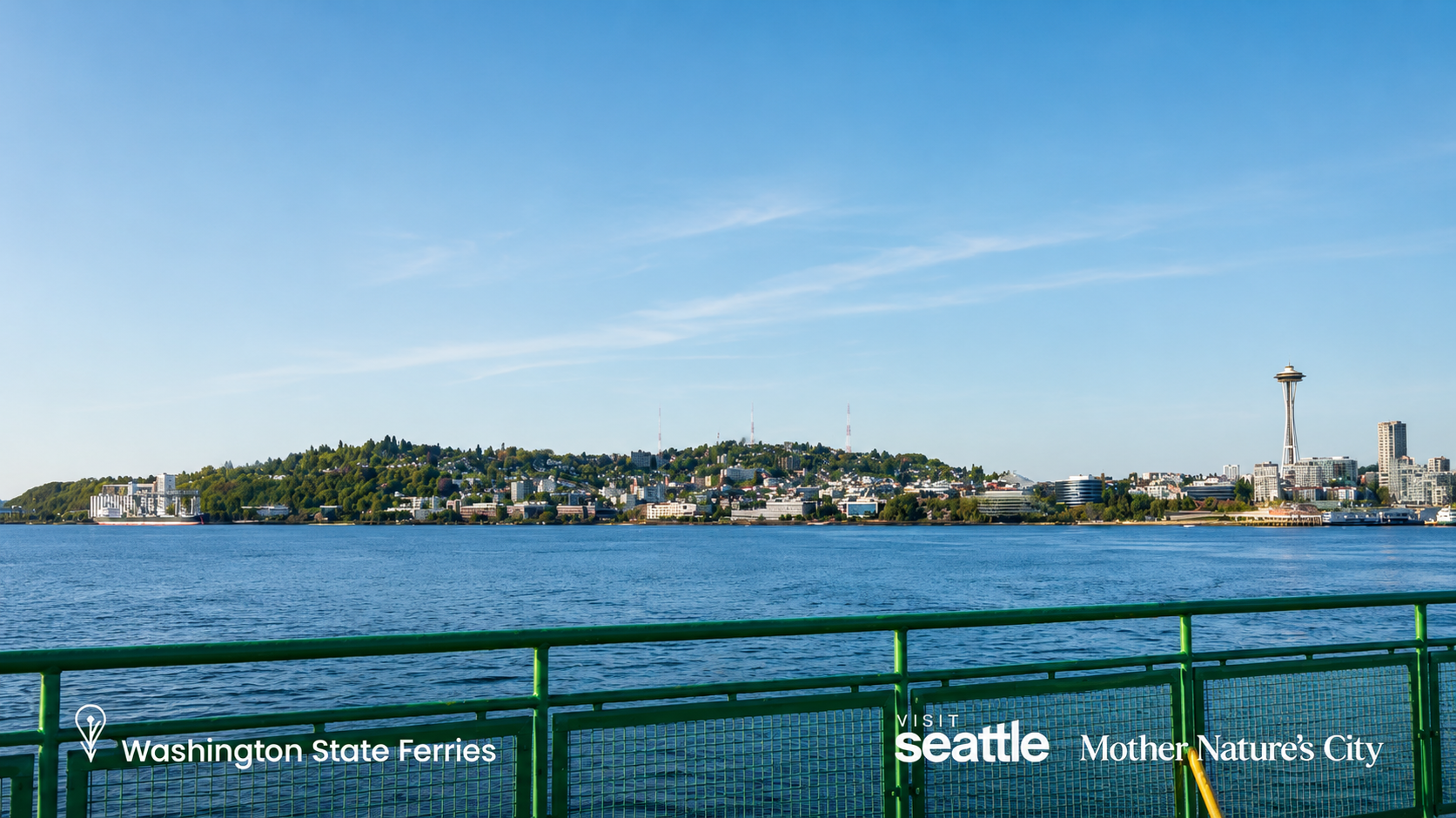
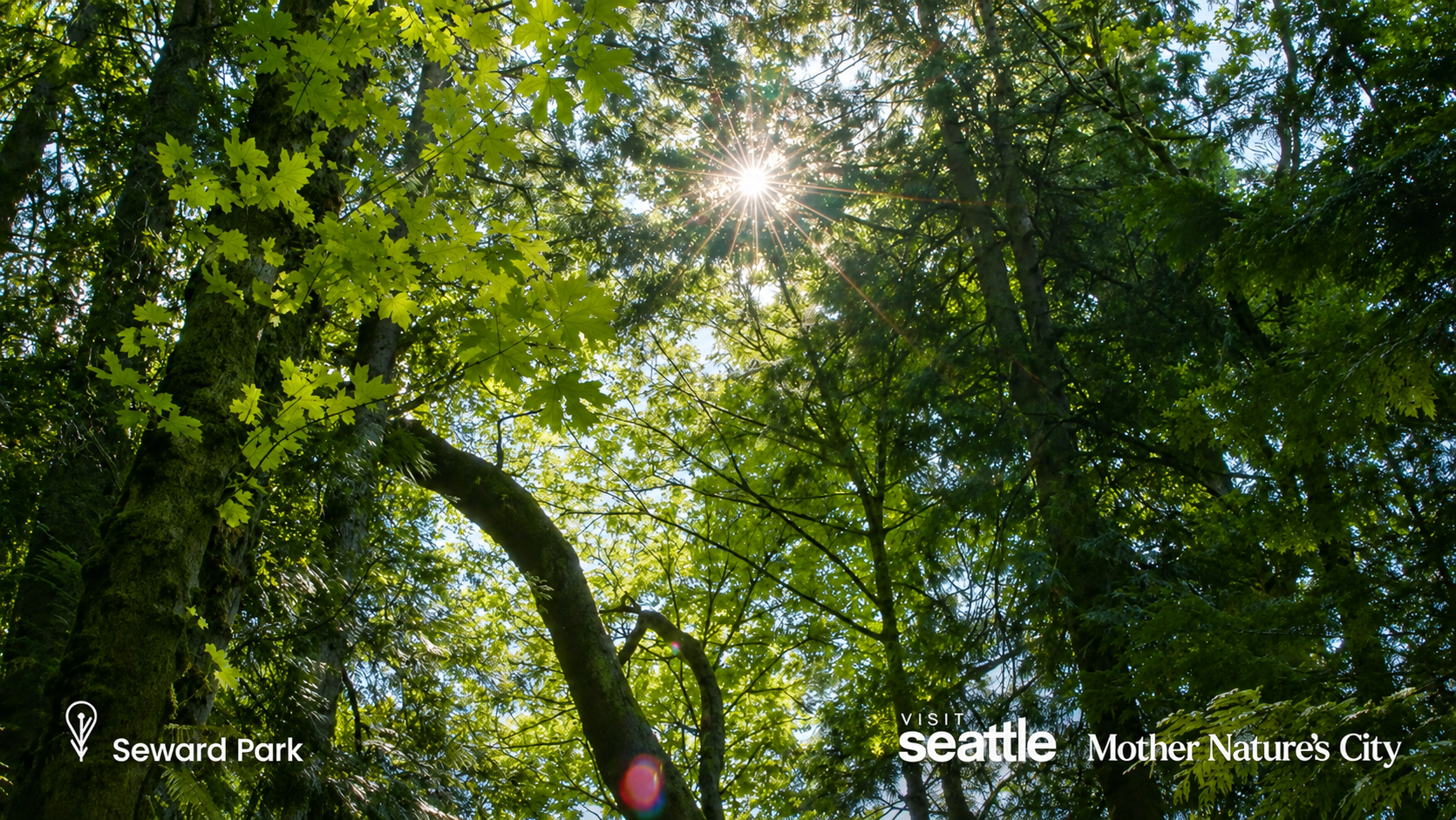
To bring that feeling to life, Visit Seattle created a series of immersive ASMR-inspired films for Hulu that transformed ordinary Seattle moments into sensory experiences. Each film centered on a different iconic location—the gentle rhythm of the Puget Sound ferries, the quiet forests of Seward Park, and the waves washing onto Golden Gardens—using natural soundscapes and unhurried cinematography instead of narration, music, or traditional tourism messaging.
The campaign deliberately rejected the fast-paced conventions of destination marketing. Rather than interrupt viewers with another tourism commercial, the films became moments of relaxation within the streaming experience, inviting audiences to slow down and discover Seattle on their own terms. By giving viewers three distinct sensory experiences, the campaign allowed each person to choose their own version of Pacific Northwest calm while reinforcing Seattle's identity as a place defined by presence, authenticity, and connection to nature.
The unconventional approach resonated in an extraordinary way.
Across the three films, the campaign generated more than 2.4 million completed views, with each video achieving a 99% completion rate—well above Hulu's 96% benchmark. Together, the films delivered nearly 70,000 additional completed views beyond benchmark expectations while reducing viewer drop-off by more than 70%.
More importantly, the results demonstrated that audiences weren't simply exposed to Seattle—they actively chose to stay with it. By replacing conventional tourism advertising with an immersive sensory experience, Visit Seattle showed that destination marketing can foster a more thoughtful, memorable relationship with a place, inspiring travel through curiosity, presence, and emotional connection rather than simply promoting another bucket-list destination.