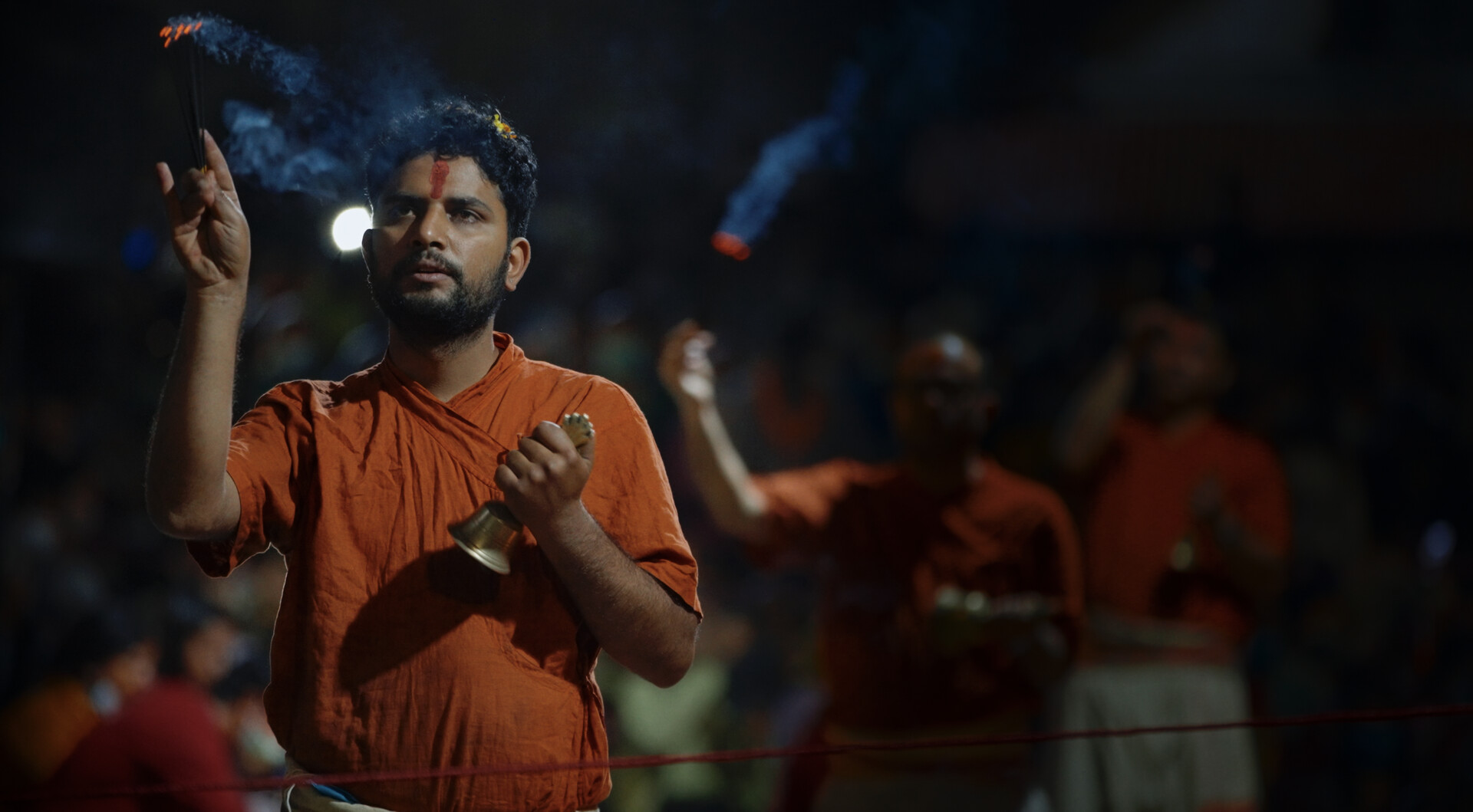
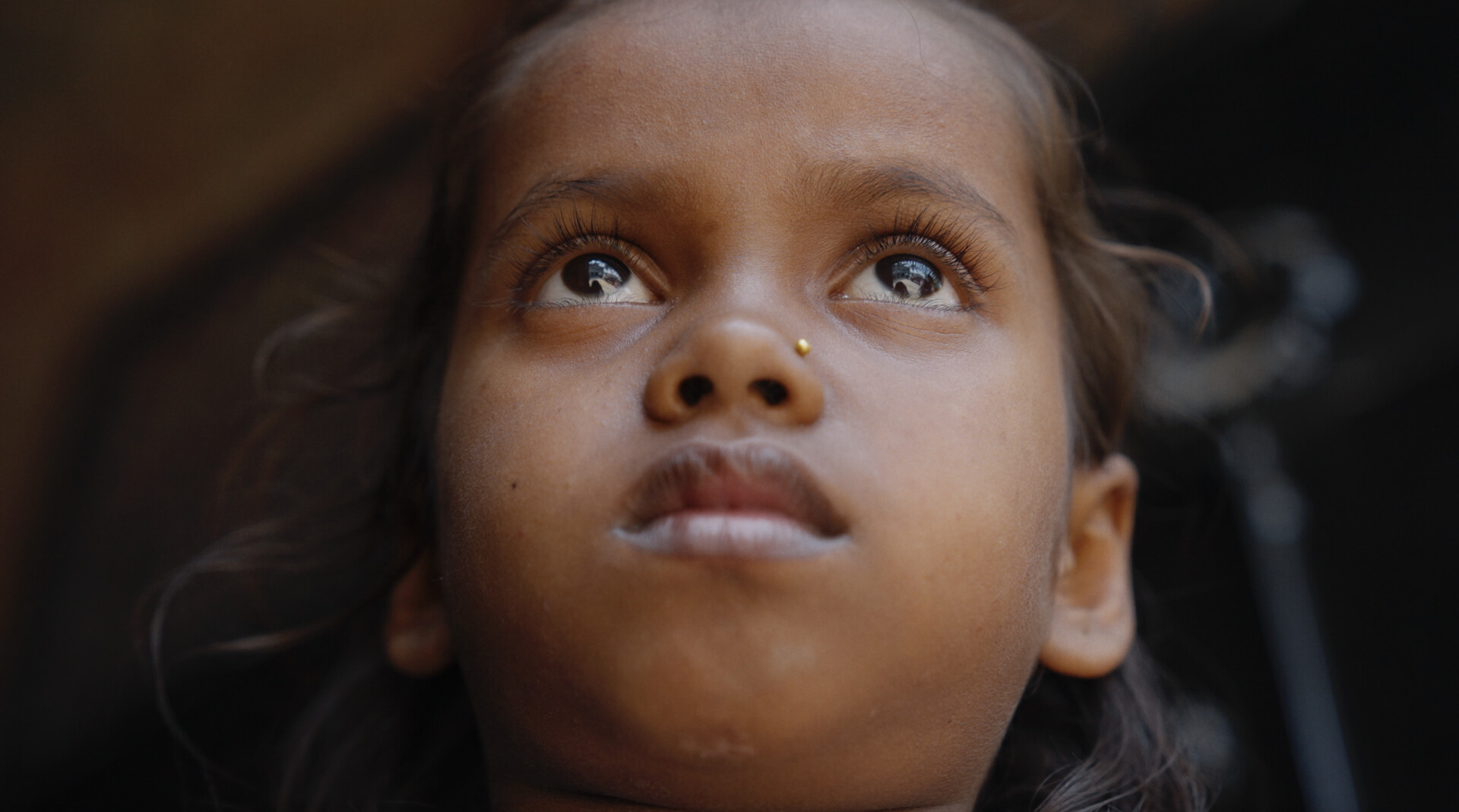
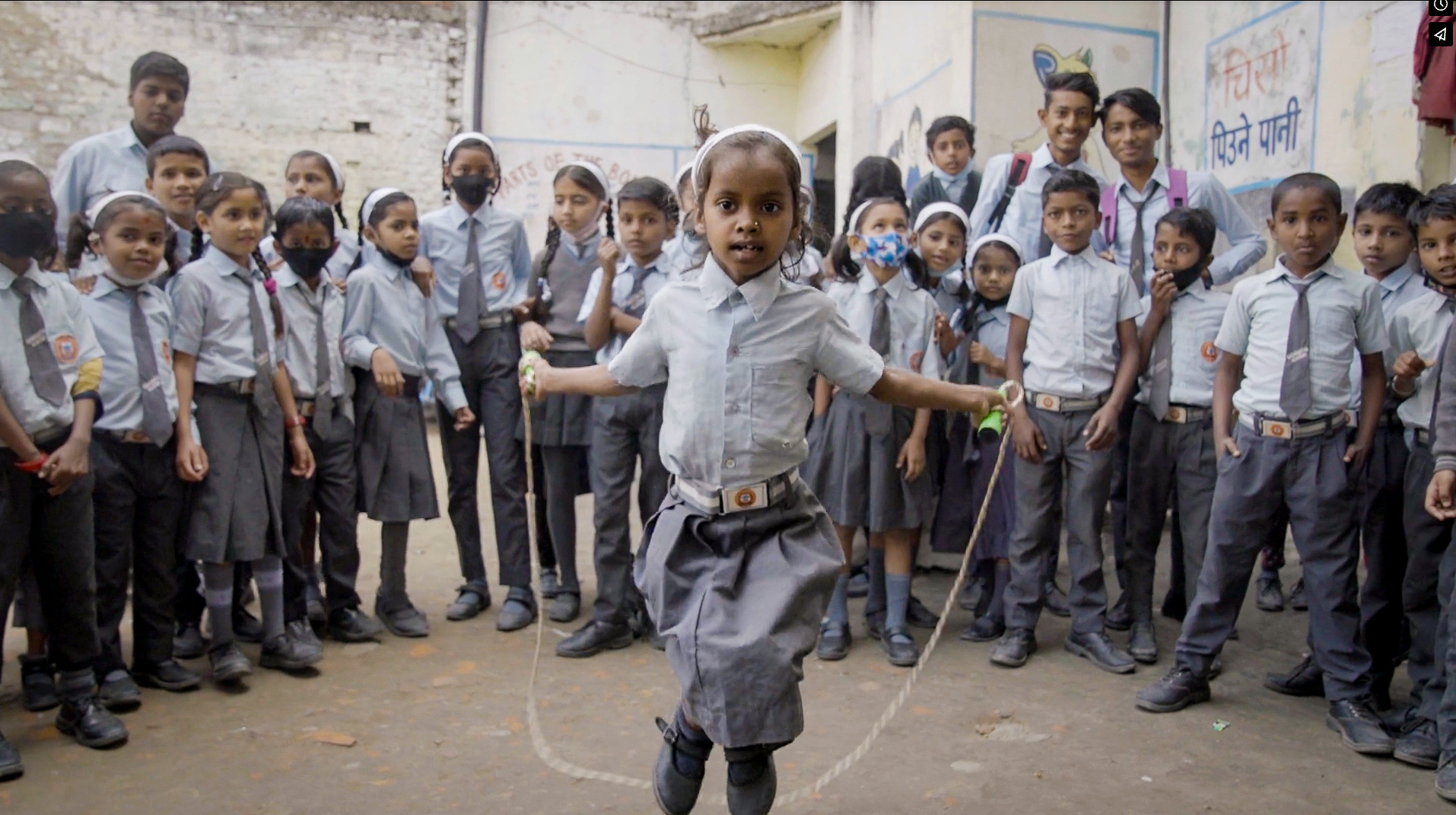
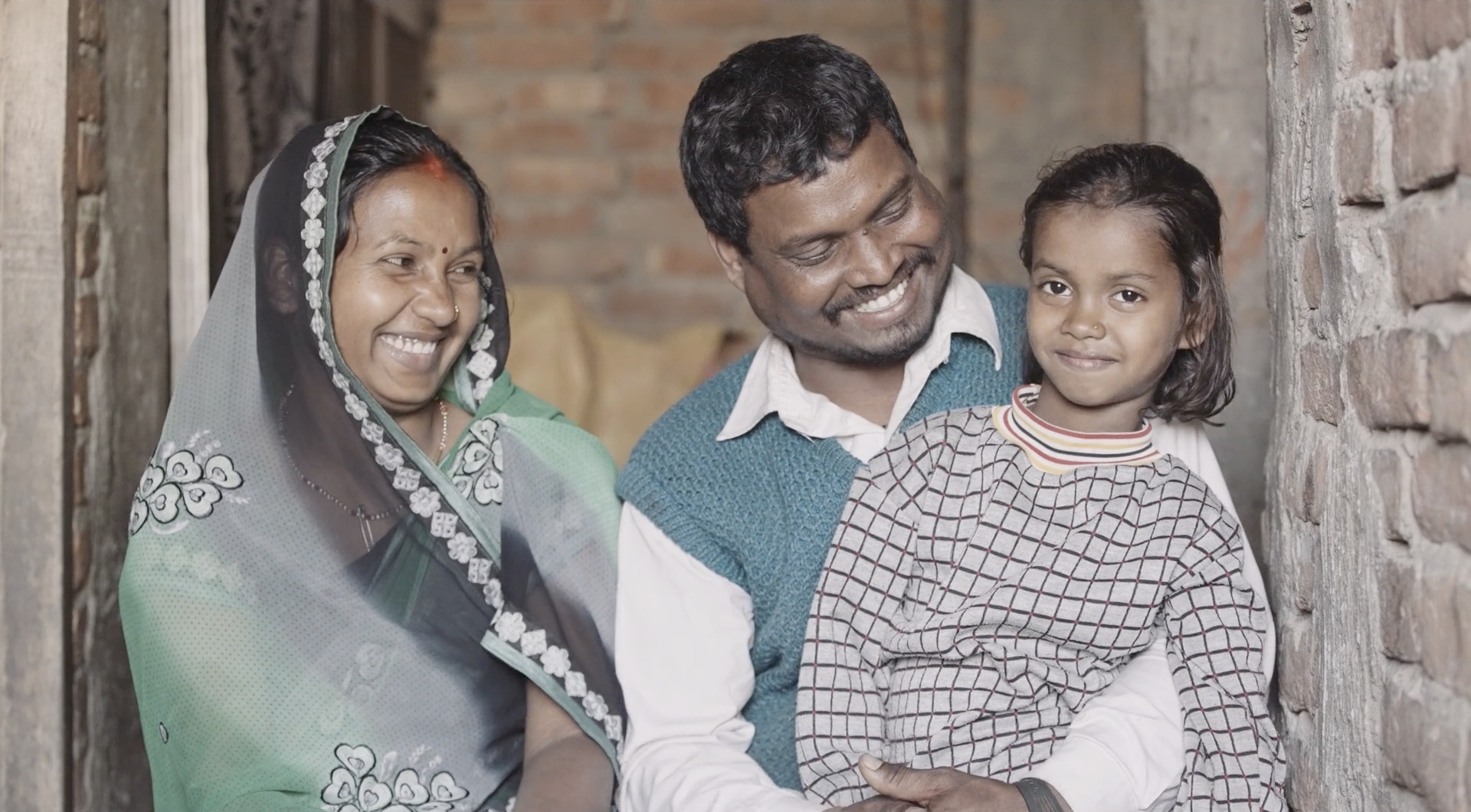
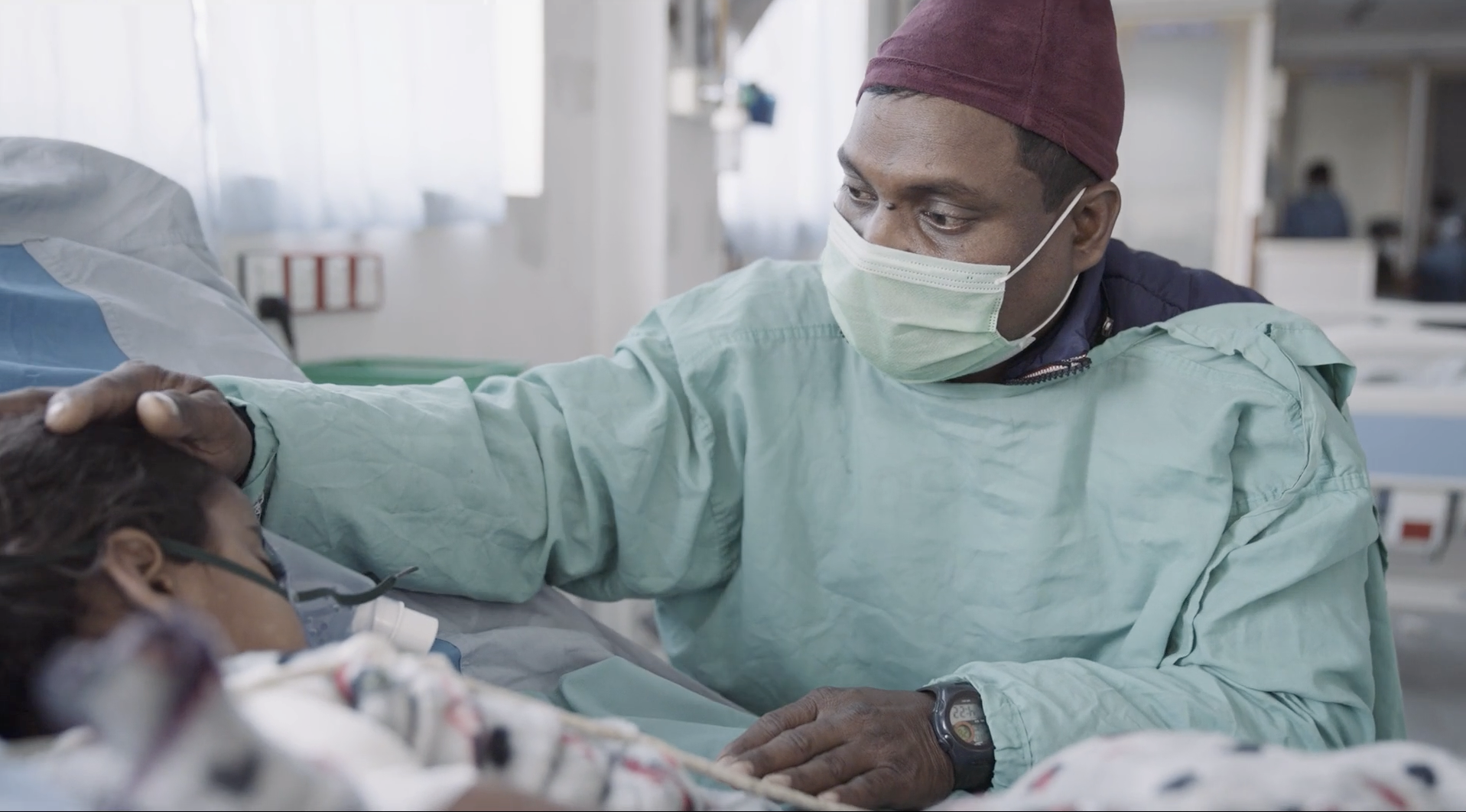
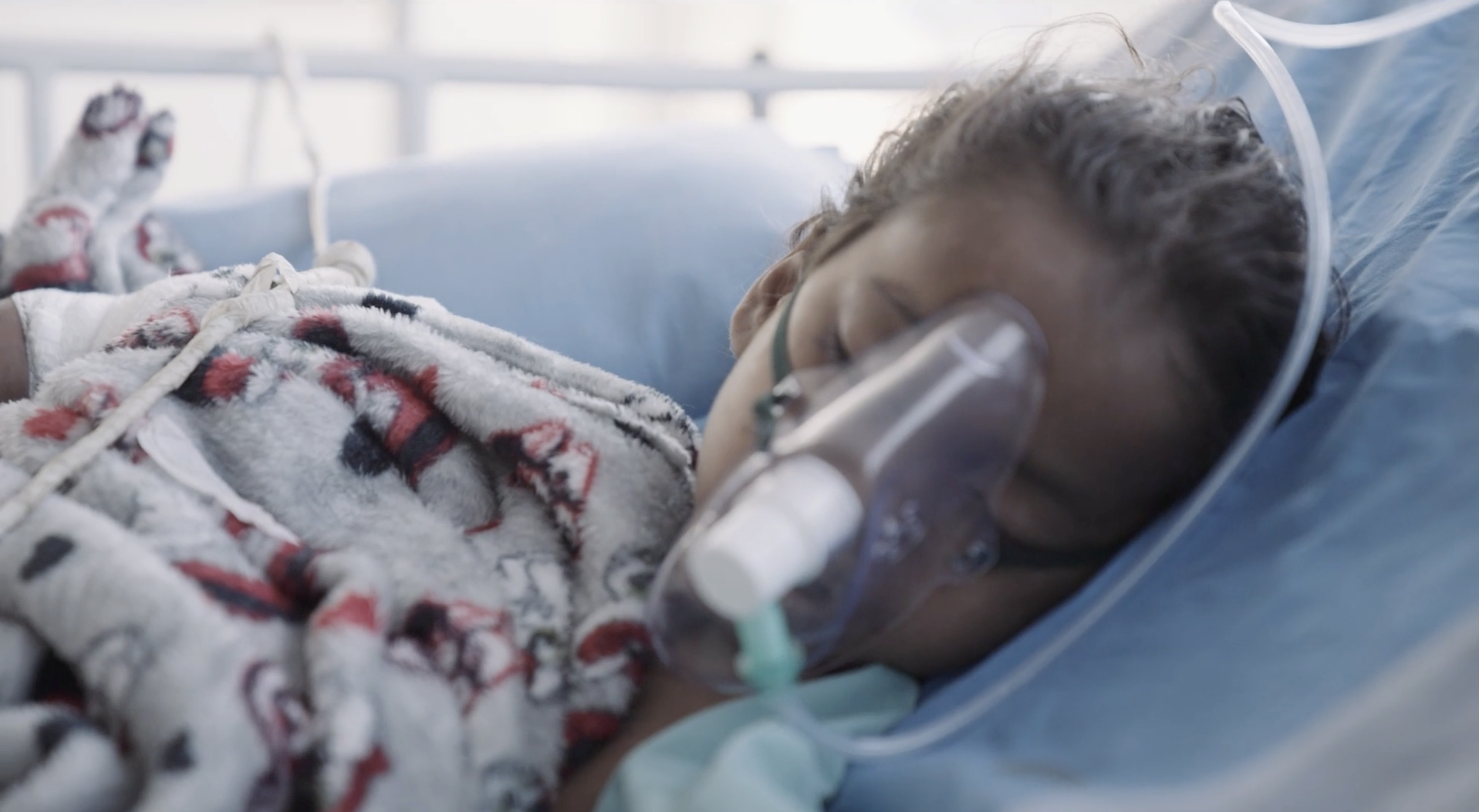
We made this film to tell a story that is all too often overlooked in global health. It is the story of a young girl named Sima, surrounded by the love of her family, and a humble yet powerful local visionary who helped heal her after she suffered from one of the most neglected burdens of disease in the world: the burden of surgery, particularly burn injury.
What many people don’t realize is that surgically treatable conditions kill at a rate more than three times that of malaria, tuberculosis, and HIV/AIDS combined. Yet global surgery receives only a fraction of the funding and awareness as infection disease. Because 95% of fire-related burn deaths occur in low- and middle-income countries, burns have often been called a disease of poverty.
We made SIMA to turn this overlooked issue into something a major donor could actually feel. We set out to do three things:
Strategy
In 1998, ReSurge International, then known as Interplast, won an Academy Award for a documentary about its work in Vietnam. That film brought in significant donor support and helped define the organization's identity for a generation. But over the following decades, everything changed. The mission evolved from fly-in surgical missions run by visiting volunteers to a permanent, training-based model where local surgeons are the heroes. ReSurge needed a new film, one that reflected who the organization had become and told that story with honesty and humanity.
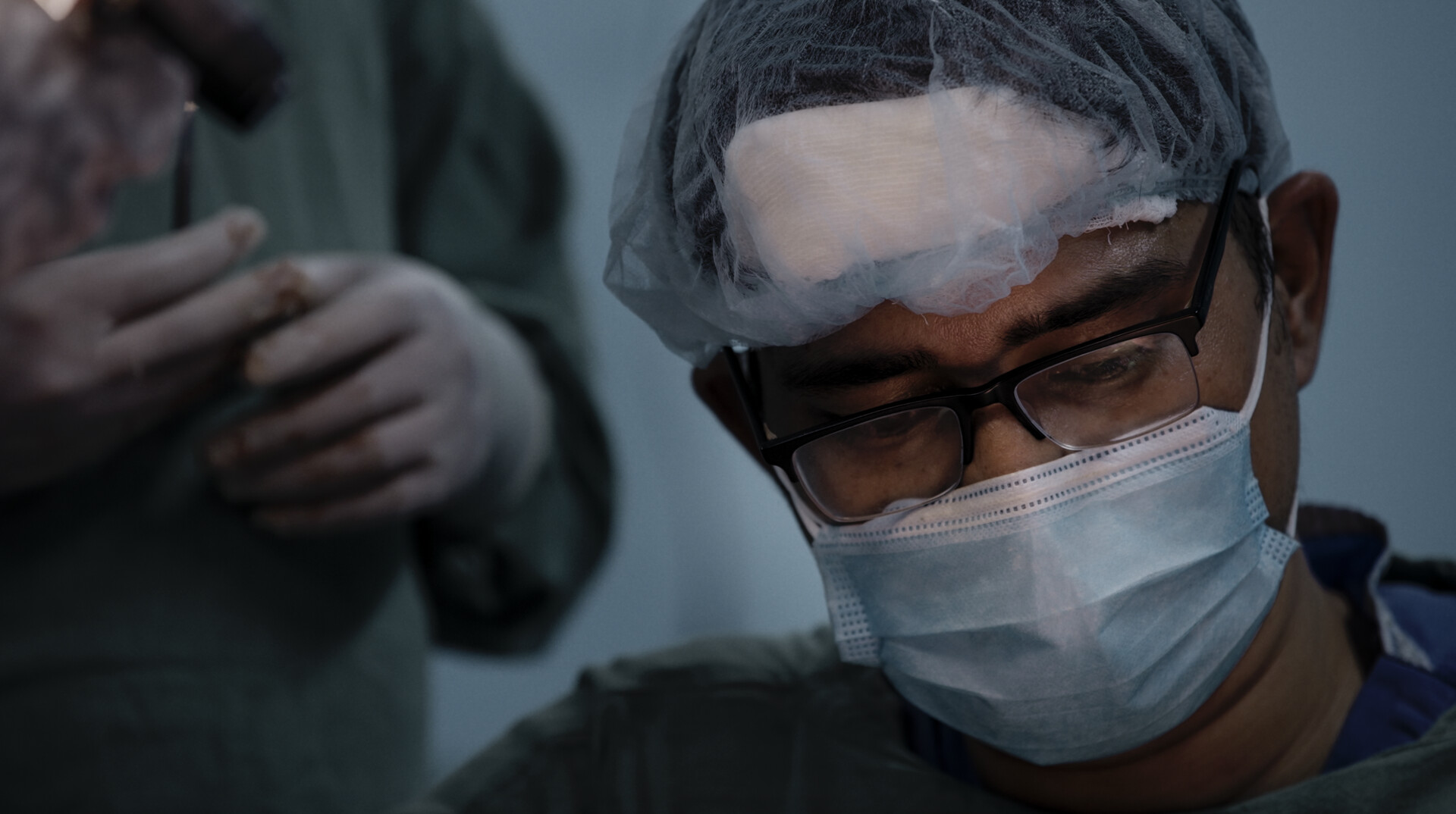
We identified ReSurge Country Director and Surgical Partner Dr. Shankar Man Rai as the heart of the story. A reconstructive surgeon honored with the Unsung Heroes of Compassion Award by the Dalai Lama, Dr. Rai grew up in a rural Nepali village and has never lost sight of what it means to have nothing. For more than 30 years, he has quietly expanded surgical capacity for burn and cleft patients across Nepal's most remote communities. Not through aid dependency, but by building local systems that outlast any single intervention.
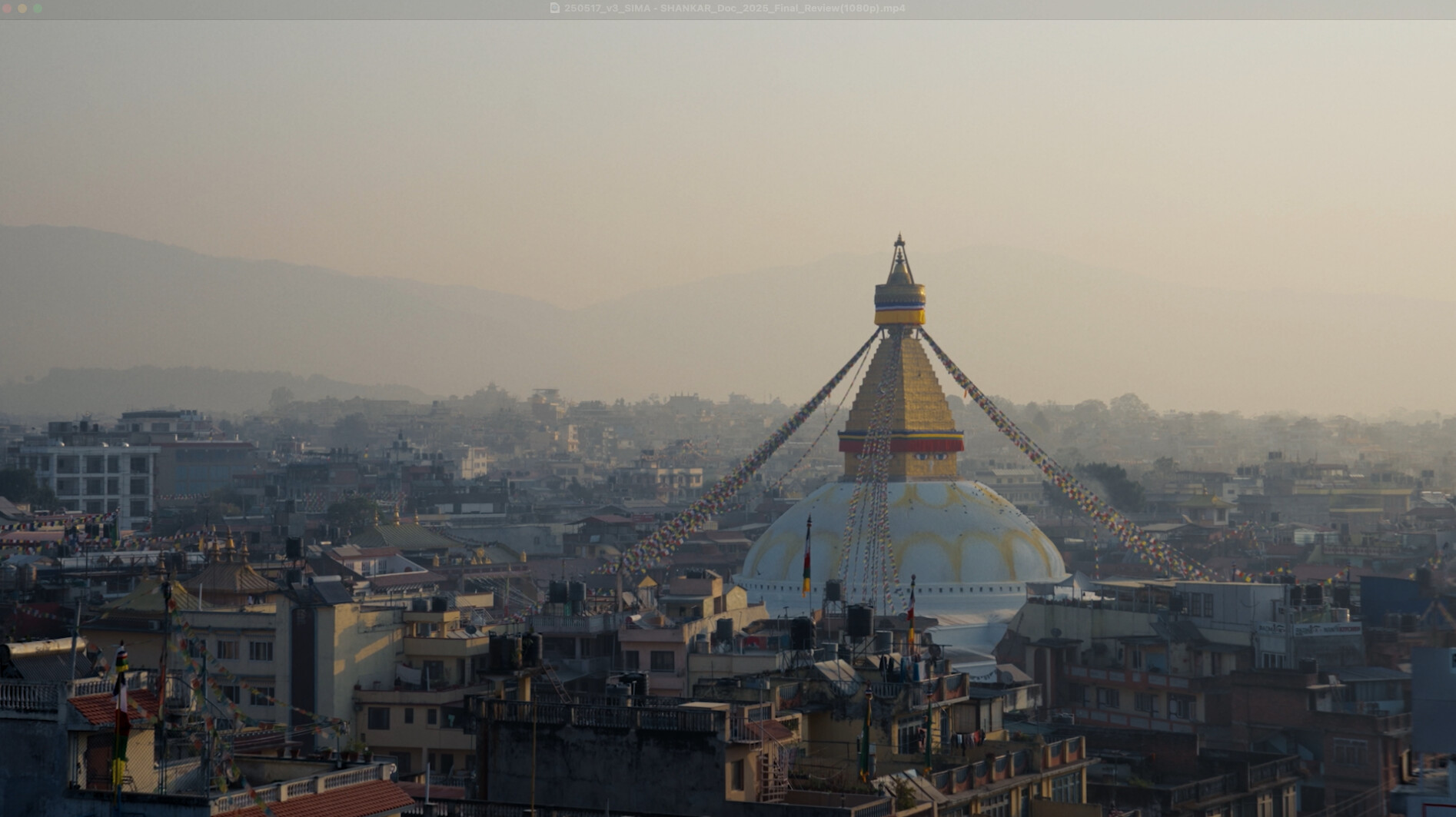
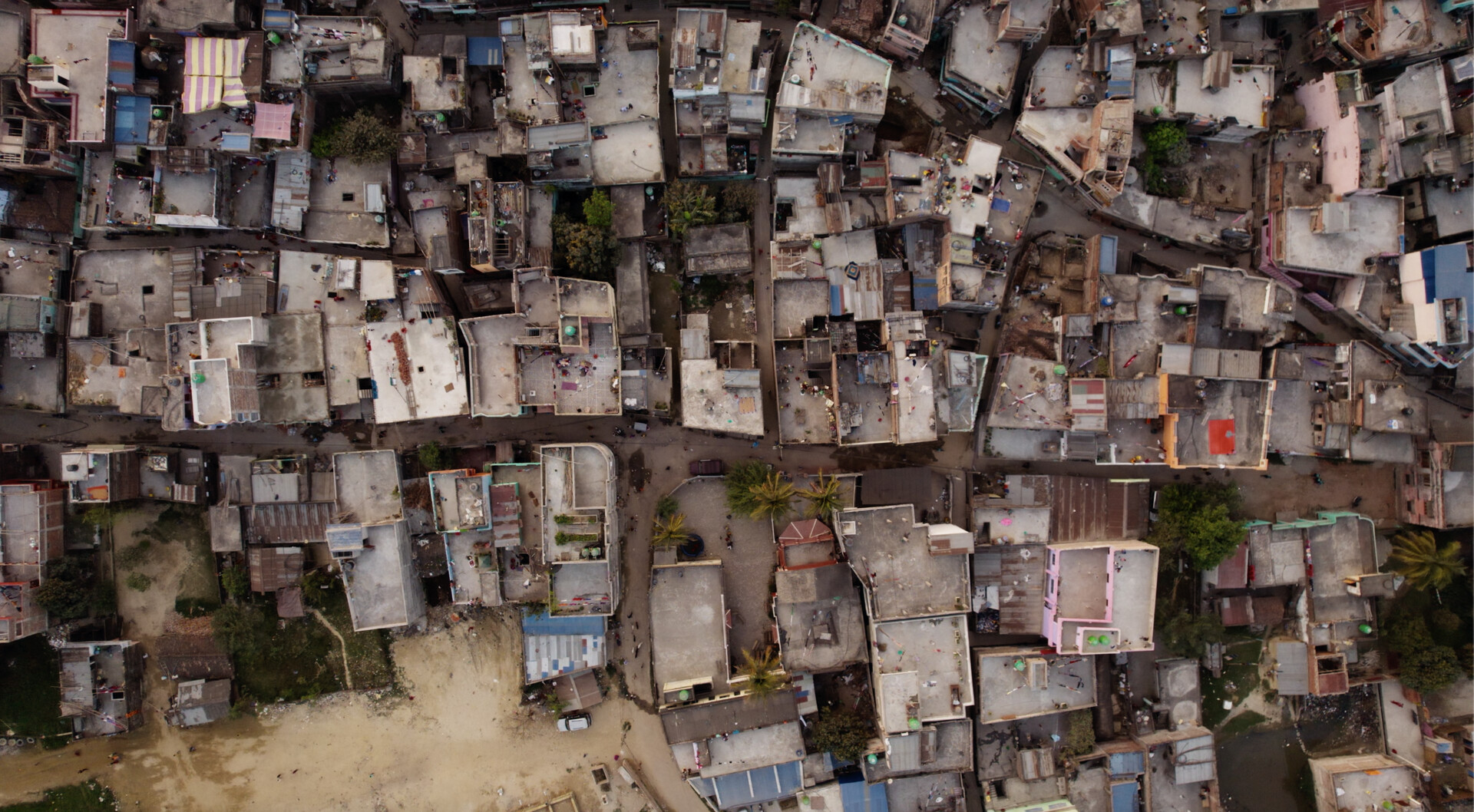
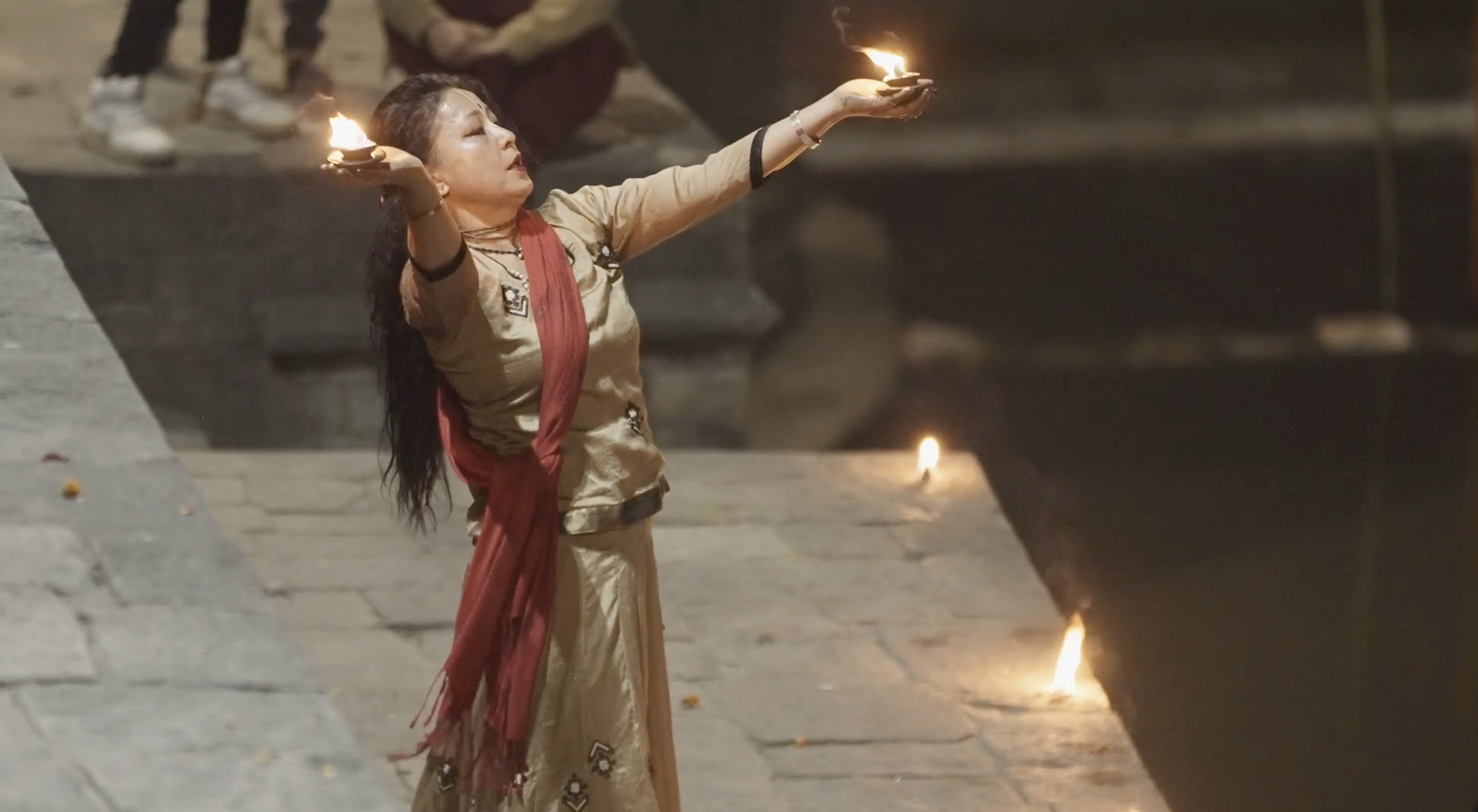
Through Dr. Rai's network, we met Sima, a young girl whose burn scar contracture was tightening across her shoulder joint, restricting her movement and threatening the long-term function of her arm. We followed Sima, her family, and the local medical team across Nepal, filming in vérité style to capture the emotional truth of their journey.
The production was intentionally lean. With no dedicated budget, the two-person crew filmed in Nepal with the majority of the work donated pro bono.
Execution
The film was built as a relationship tool for high-touch fundraising settings, so we put it in front of the audiences most able to act on it.
We premiered SIMA at a donor fundraising event in California, pairing the screening with a live panel featuring the film's directors alongside Dr. Shankar Man Rai and Hemanta. Hearing directly from the surgeon at the center of the story, moments after watching it, turned a film screening into a conversation. We then brought the film into an even more personal setting: a private screening hosted in the home of a major donor, where the intimacy of the format matched the intimacy of the story. We plan to continue to use the film in private screening with major donors
So far the film has been used across two screening events, with plans to expand. Those two events have already become the two highest-performing non-gala events in ReSurge's portfolio — validating the bet behind SIMA: that a story people can feel will move them to act.
Against industry benchmarks where a strong fundraising-event conversion rate is 15–25%, and only top-tier events exceed 30%, SIMA's two screenings converted 33% and 38% of attendees into donors, placing both in the top tier of fundraising events nationally. Across the two events, SIMA introduced seven first-time donors to ReSurge and generated nearly $15,000 in directly attributable gifts, while opening the kind of high-touch major-donor conversations where far larger commitments begin.