More than two-thirds of adults worry about their brain health, yet many struggle to find trustworthy, actionable information amid an increasingly crowded and confusing health media landscape. The Brain Docs: Science-Backed Tips for Real Life was created to close that gap by translating complex neuroscience into practical guidance people could immediately apply to their everyday lives.
Our goal was not simply to raise awareness, but to empower action. We set out to help adults better understand the factors that influence brain health, recognize when medical attention may be needed, and adopt evidence-based habits that support cognitive well-being over time. We also aimed to increase confidence in credible health information by delivering guidance through trusted medical experts with extensive clinical and research experience.
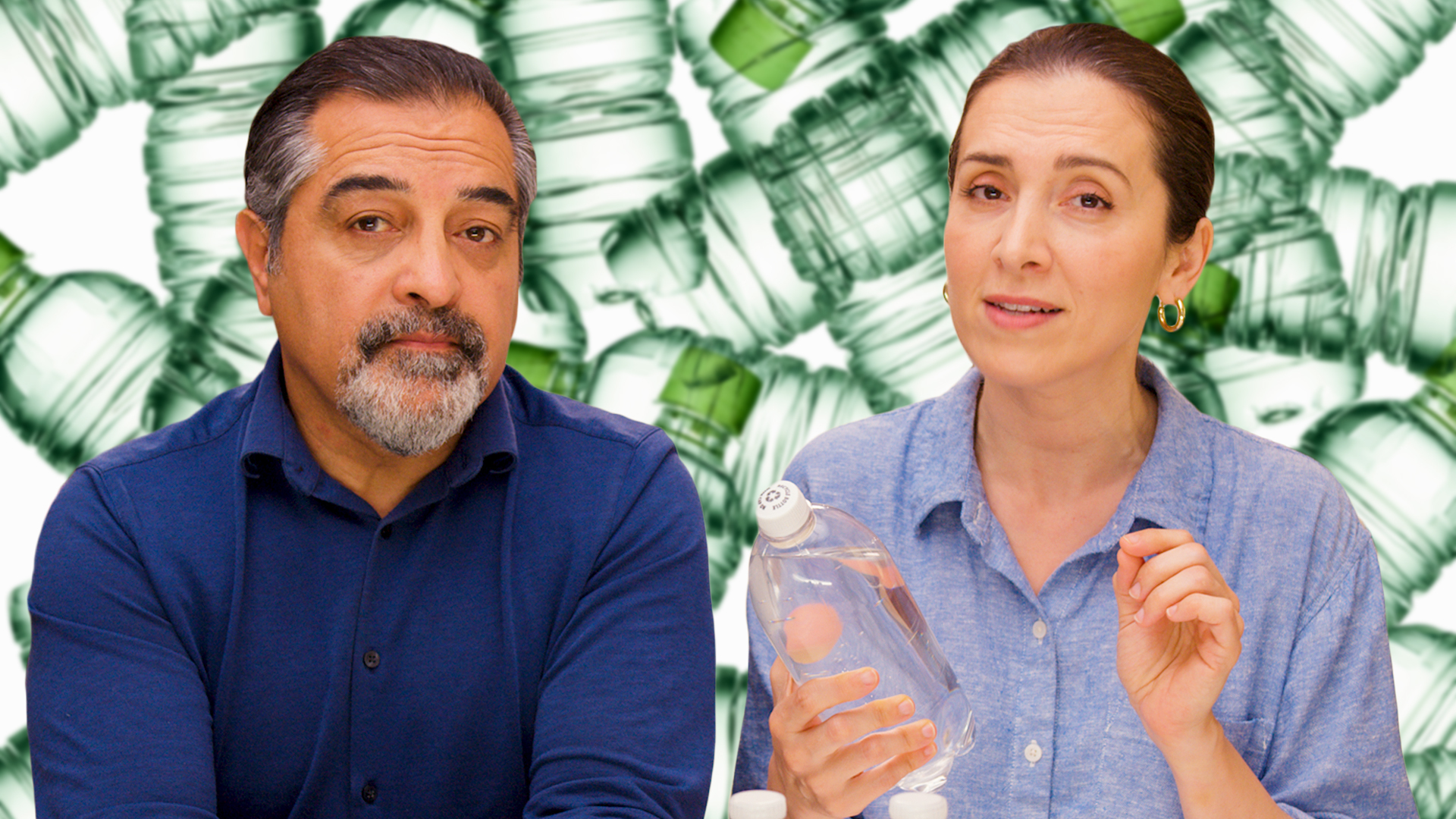
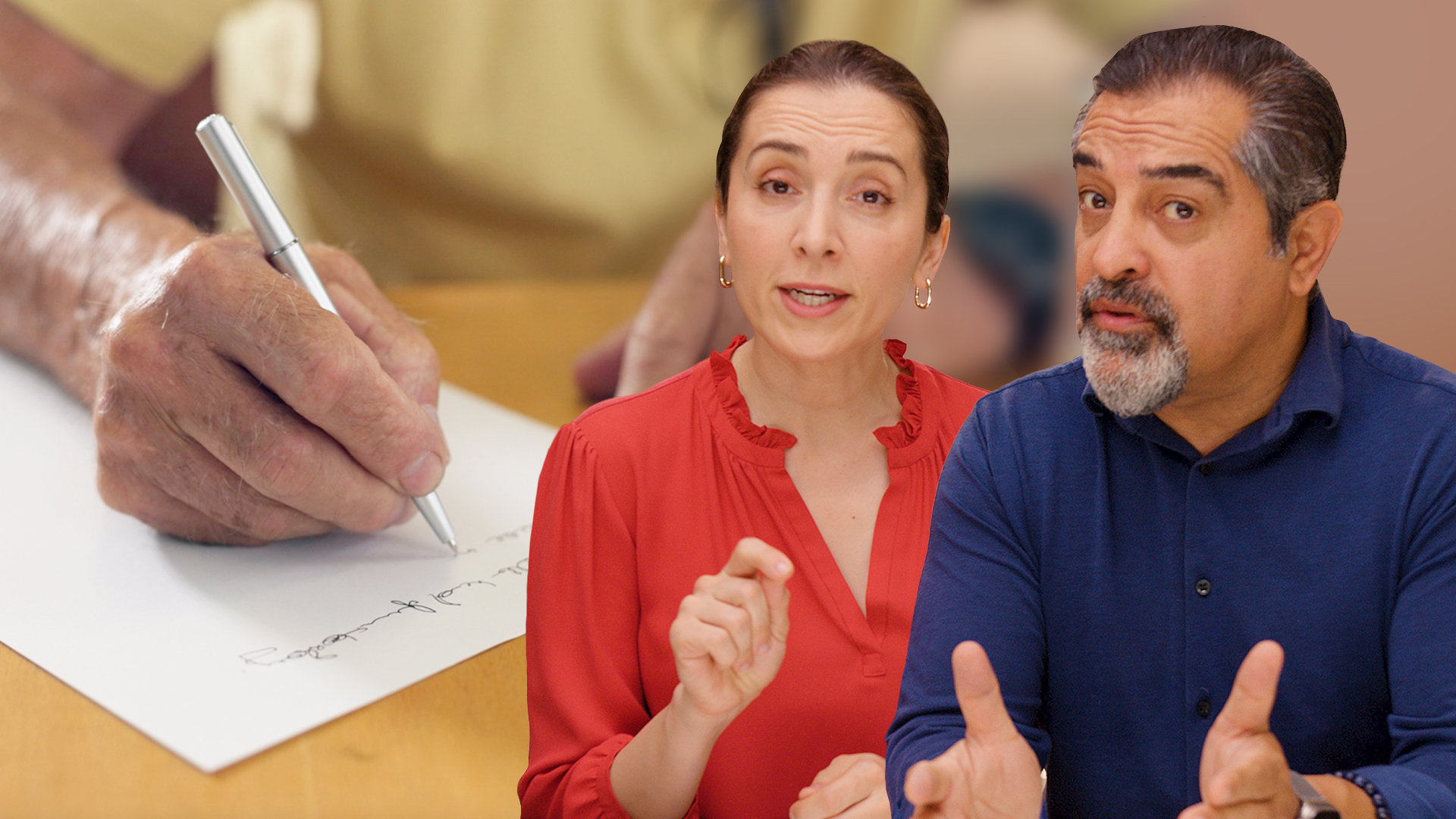
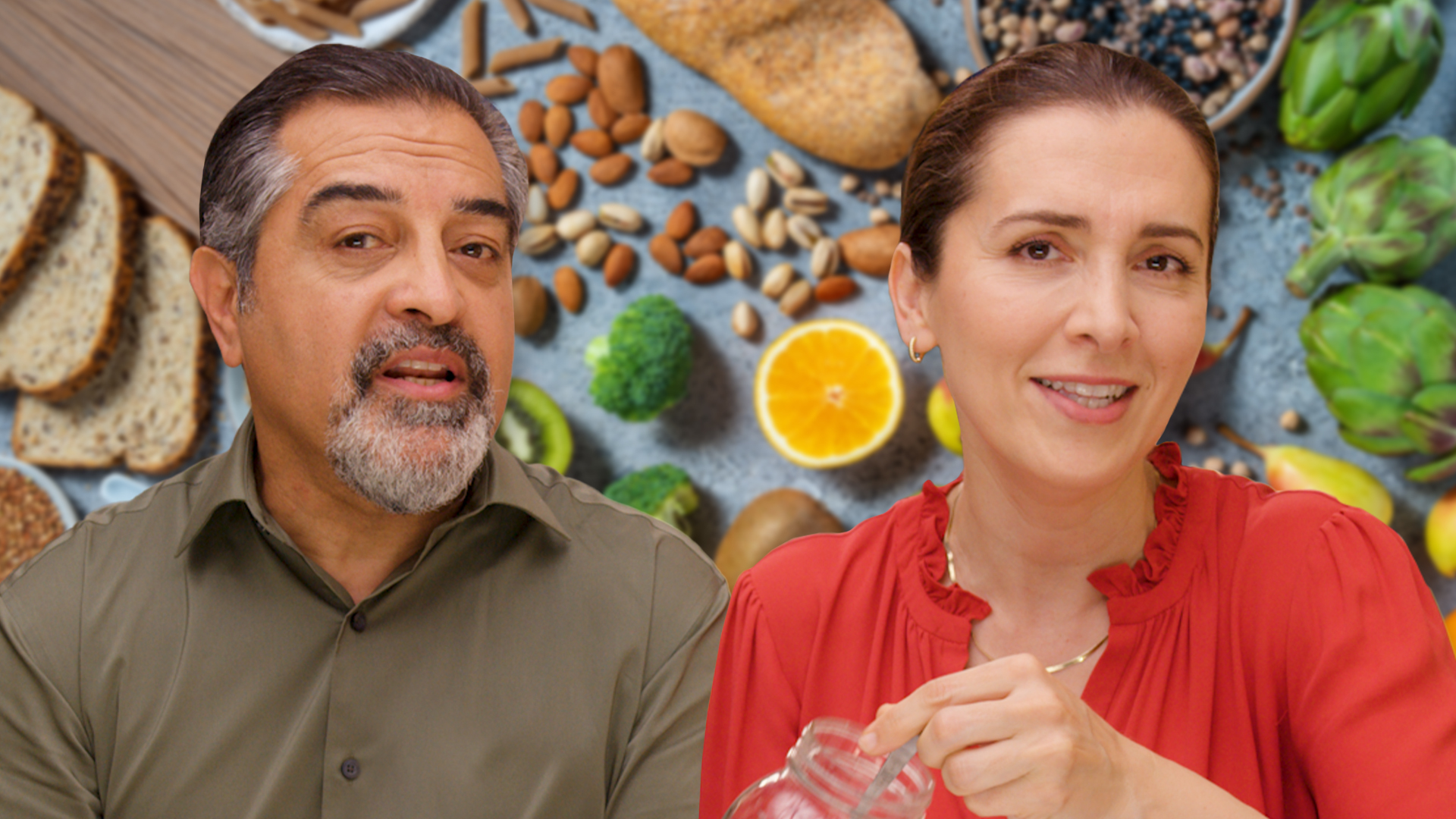
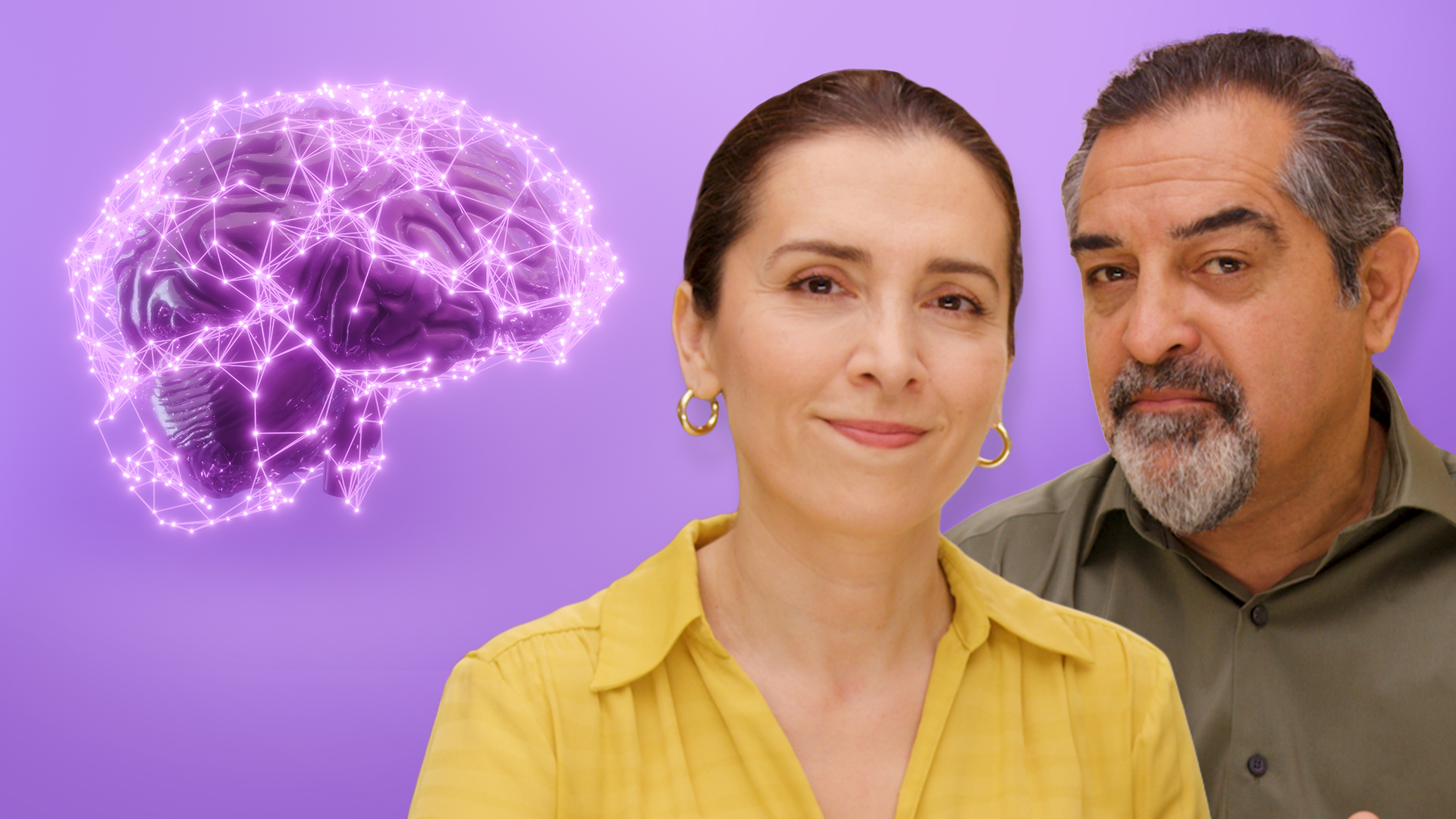
To achieve this, we developed a multi-platform video series focused on topics generating significant interest among older adults, including Parkinson's disease, microplastics, brain rewiring, and the brain-gut connection. Our objective was to make emerging science understandable, relatable, and useful, transforming information that can often feel intimidating into content that felt approachable and empowering.
Ultimately, the project sought to demonstrate that public health education can be both rigorous and engaging, helping audiences move from concern to confidence and from information to action.
Our strategy was built around a simple insight: people care deeply about brain health, but much of the information available to them is either overly technical, sensationalized, or difficult to translate into everyday life. We saw an opportunity to bridge the gap between scientific expertise and practical action.
To identify the topics most relevant to our audience, we analyzed audience interests and high-performing health searches across AARP's digital ecosystem. This data-driven approach helped us prioritize subjects generating significant curiosity and concern among older adults. We then partnered with neurologists Drs. Dean and Ayesha Sherzai, known as the "Brain Docs," whose combined expertise spans clinical practice, neuroscience research, and public health communication.
Together, we developed a multi-platform content series covering four key areas: Parkinson's disease, microplastics, the brain-gut connection, and brain rewiring. Every script was carefully researched, reviewed, and grounded in credible medical evidence, ensuring scientific accuracy without sacrificing accessibility.
One of our biggest challenges was making complex neurological concepts understandable and engaging for a broad audience. Health content often falls into one of two traps: it overwhelms viewers with jargon or oversimplifies information to the point of losing credibility. We addressed this challenge by designing every video around concise, actionable takeaways. Instead of lengthy explanations, the Brain Docs delivered clear frameworks such as "5 Tips to Reduce Microplastics" and "5 Ways to Rewire Your Brain," giving viewers practical steps they could implement immediately.
To further increase engagement and retention, we paired expert guidance with dynamic visual storytelling. On-screen graphics, text callouts, illustrative imagery, and real-world demonstrations helped translate abstract concepts into memorable, easy-to-understand examples. Just as important, we leaned into the natural chemistry and credibility of the Brain Docs themselves, creating a conversational style that made viewers feel they were receiving advice from trusted professionals rather than watching a traditional health lecture.
Distribution was equally critical to our strategy. We launched the series across AARP's website and social platforms while collaborating with the Brain Docs' own social channels to extend reach beyond AARP's existing audience. This multi-platform approach allowed us to meet audiences where they already consume information while reinforcing the credibility of the content through trusted voices.
The result was a science-based health education series that successfully combined expert credibility, audience relevance, and platform-native storytelling to make brain health information more accessible, understandable, and actionable.
The Brain Docs exceeded our goal of making credible brain health information accessible and engaging for a broad audience. Across AARP's digital platforms, the series generated more than 300,000 views, extending the reach of evidence-based health education to hundreds of thousands of people seeking trustworthy guidance.
Beyond reach, the strongest indicator of success was audience response. Viewers consistently highlighted the practicality and usefulness of the information, demonstrating that the content successfully translated complex neuroscience into actionable advice. Comments included:
• “Thanks for these convenient and easy swaps to make our life easier.”
• “Excellent info and easy to adopt!”
• “Easy and achievable steps.”
• “Thank you for this valuable information.”
These responses directly reflected our core objective: helping people feel empowered rather than overwhelmed when it comes to brain health. The audience's emphasis on words like "easy," "achievable," and "valuable" showed that viewers not only consumed the content but connected with it in a meaningful way.
The series also demonstrated that highly credible, expert-led health information can succeed in social and digital environments often dominated by misinformation and oversimplification. By combining trusted medical expertise with accessible storytelling, The Brain Docs turned scientific research into practical guidance that audiences found understandable, useful, and worthy of sharing.
That's why we consider the series a success: it informed, empowered, and helped audiences take tangible steps toward better brain health.