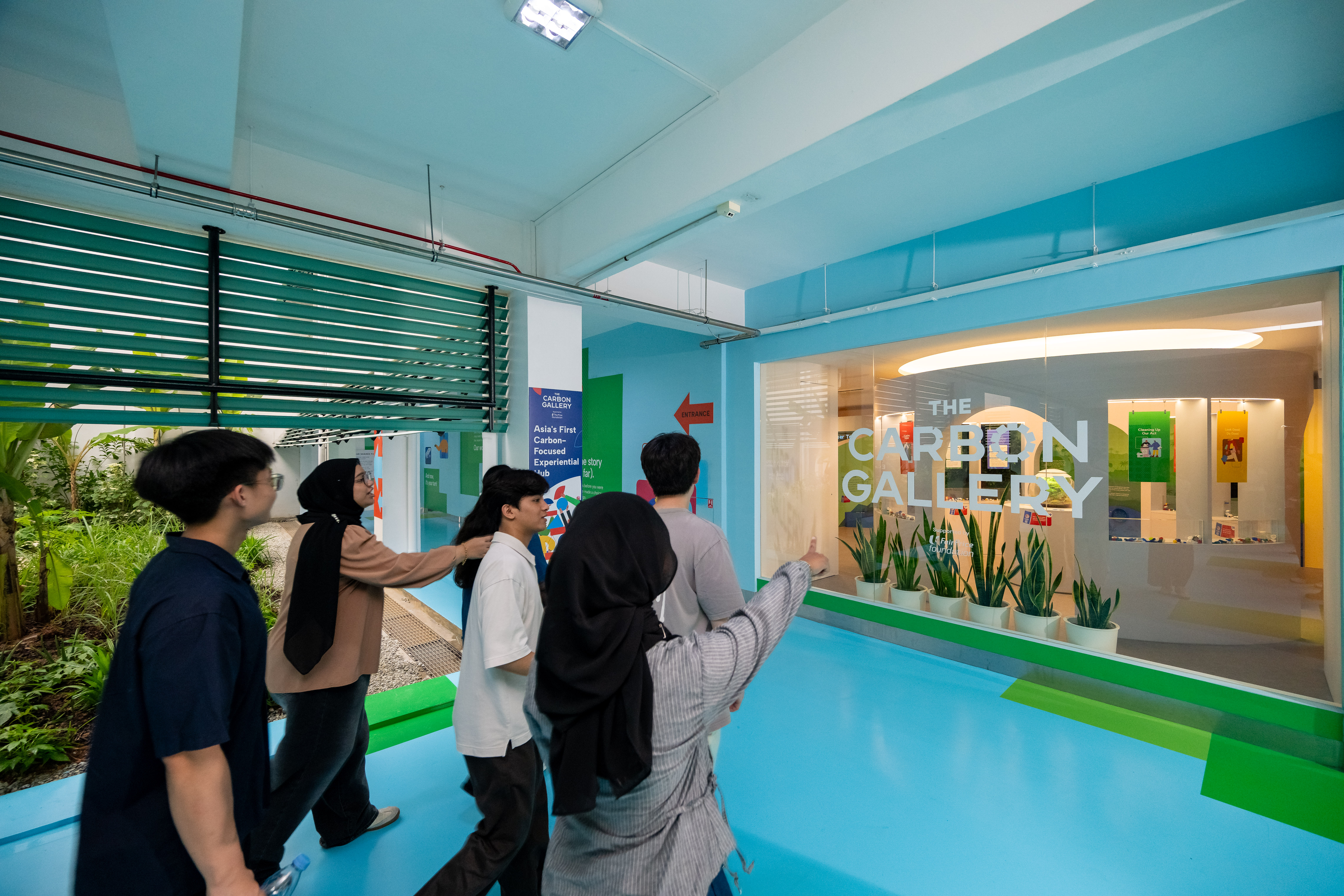
The Carbon Gallery serves as an experiential platform that brings sustainability education closer to communities, engaging students, youth, families and the wider public to build awareness and inspire more sustainable behaviours.
The Gallery makes sustainability education accessible, relevant and actionable for students and heartland communities by translating complex climate topics into simple, practical actions and helping Singaporeans understand how everyday choices impact the environment.
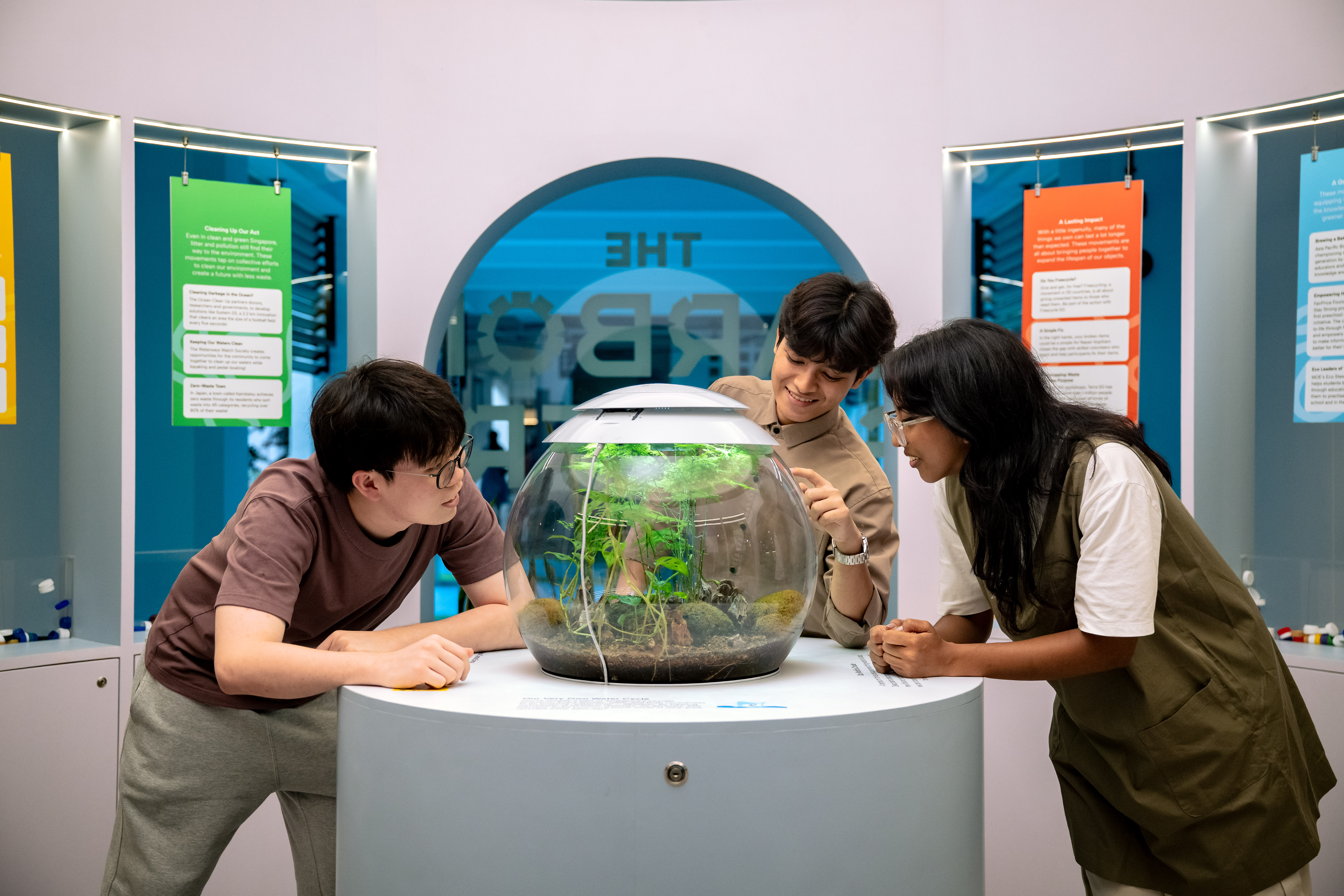
At the heart of the initiative is the Main Gallery, an immersive space that drives behaviour change through a clear narrative progression and curated journey. Visitors begin with Our Shared Future, where they build a foundational understanding of carbon’s role in the climate, and the importance of balance in sustaining planetary systems. A companion web app, Power for Change, helps visitors discover their sustainability persona and practical ways to take action.
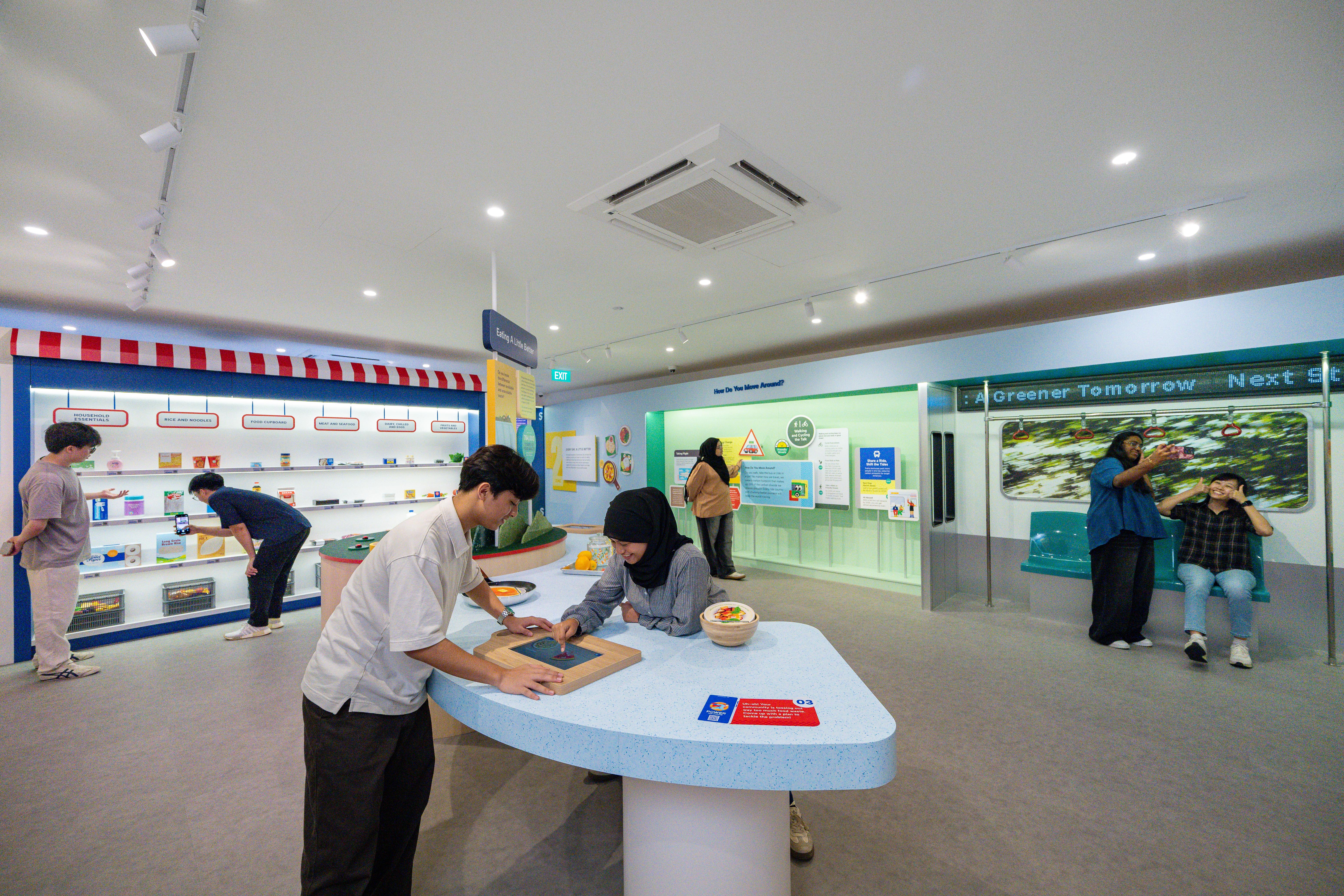
This flows into Every Day, A Little Better, where everyday choices from commuting to disposing, are reframed through a carbon lens. Highlights include the Carbon Cart, a retail-inspired supermarket experience where visitors “shop” with limited carbon coins, making the carbon cost of consumption visible and actionable.
The journey culminates in It All Adds Up, where visitors explore how individual actions scale to influence larger environmental and societal systems, from natural ecosystems to communities. Immersive scenarios such as Choose Your 2050 reinforce how collective behaviours shape future outcomes, linking personal responsibility to global impact.
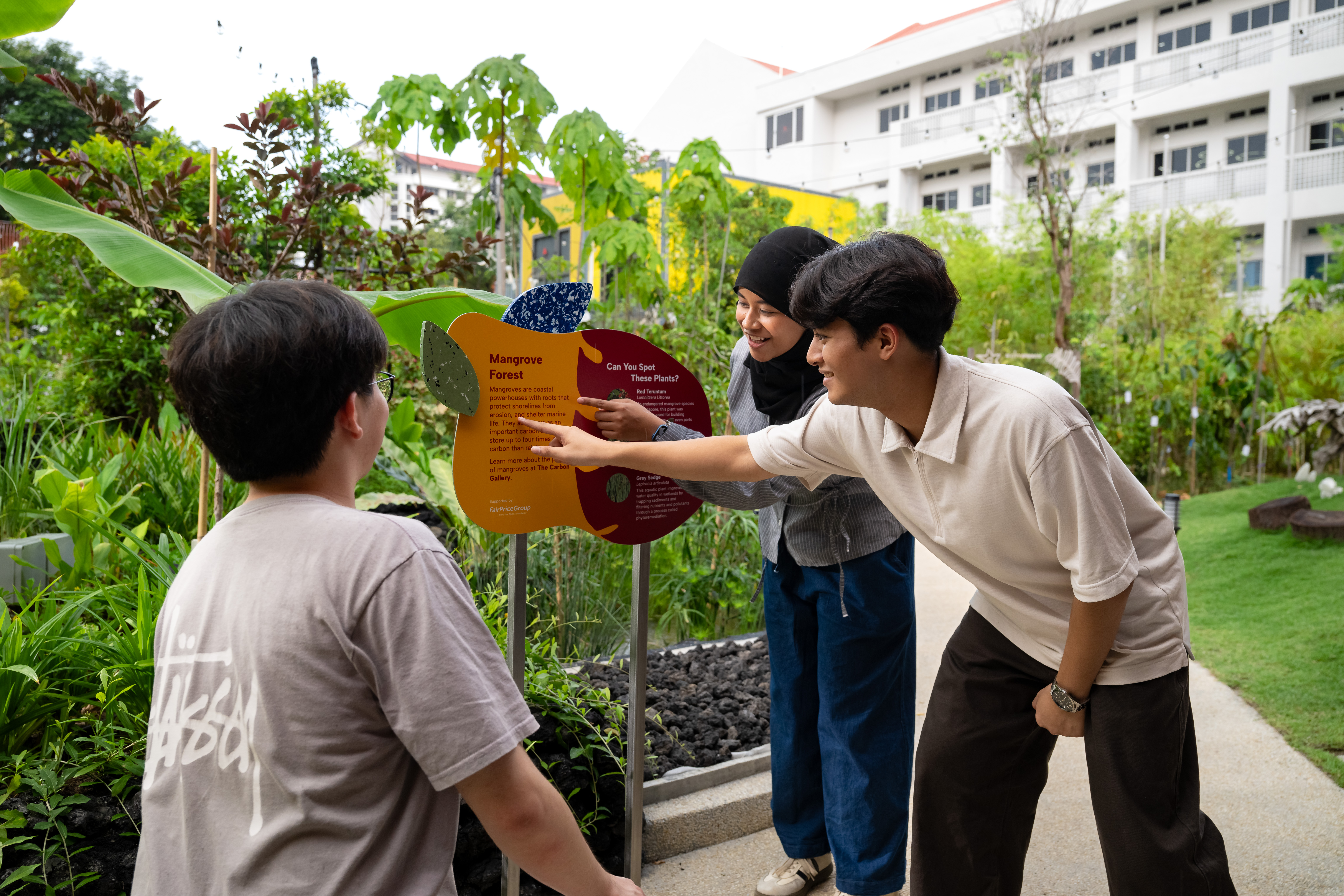
This experience extends into the physical environment through two complementary areas. The Microforest features a small-scale agroforest and miniature mangrove ecosystem, built using syntropic agroforestry to demonstrate how natural ecosystems act as powerful carbon sinks while supporting biodiversity.
The Respite Gardens provide a reflective space with native plants such as papaya and lemongrass, arranged to mimic their occurrence in nature, while preserving banana trees from the former Loyang Primary School, and connecting sustainability with local history. Together, these environments serve as a hands-on pedagogical tool, connecting sustainability concepts with nature, heritage, and everyday living.
The Carbon Gallery’s measurable objectives assess both reach and impact, combining quantitative indicators of audience engagement with qualitative measures of learning and visitor experience.
Quantitative measures
Qualitative measures
Visitor numbers have grown steadily, with strong participation from schools and organised groups. Post-visit feedback has indicated high levels of engagement, improved understanding of carbon concepts, and greater ability to identify practical actions to reduce personal carbon footprints. There has been 100% positive responses in understanding carbon and climate concepts. 67.6% of visitors strongly agree they could identify practical ways to reduce their carbon footprint. These outcomes demonstrate the value of experiential learning in making sustainability concepts accessible and actionable.
Anonymous post-visit surveys were conducted across diverse audience groups to encourage candid feedback and minimise social desirability bias. Results showed high satisfaction, strong learning outcomes and clear behavioural intent, supporting the effectiveness of the Gallery’s experiential approach.
Beyond measuring impact, visitor feedback and facilitation insights have informed improvements to content pacing, group flow, logistics, programme design and operational management. These learnings provide a strong foundation for continuous improvement and responsible scaling, enabling the Gallery to strengthen its educational impact and reach more communities in subsequent years.