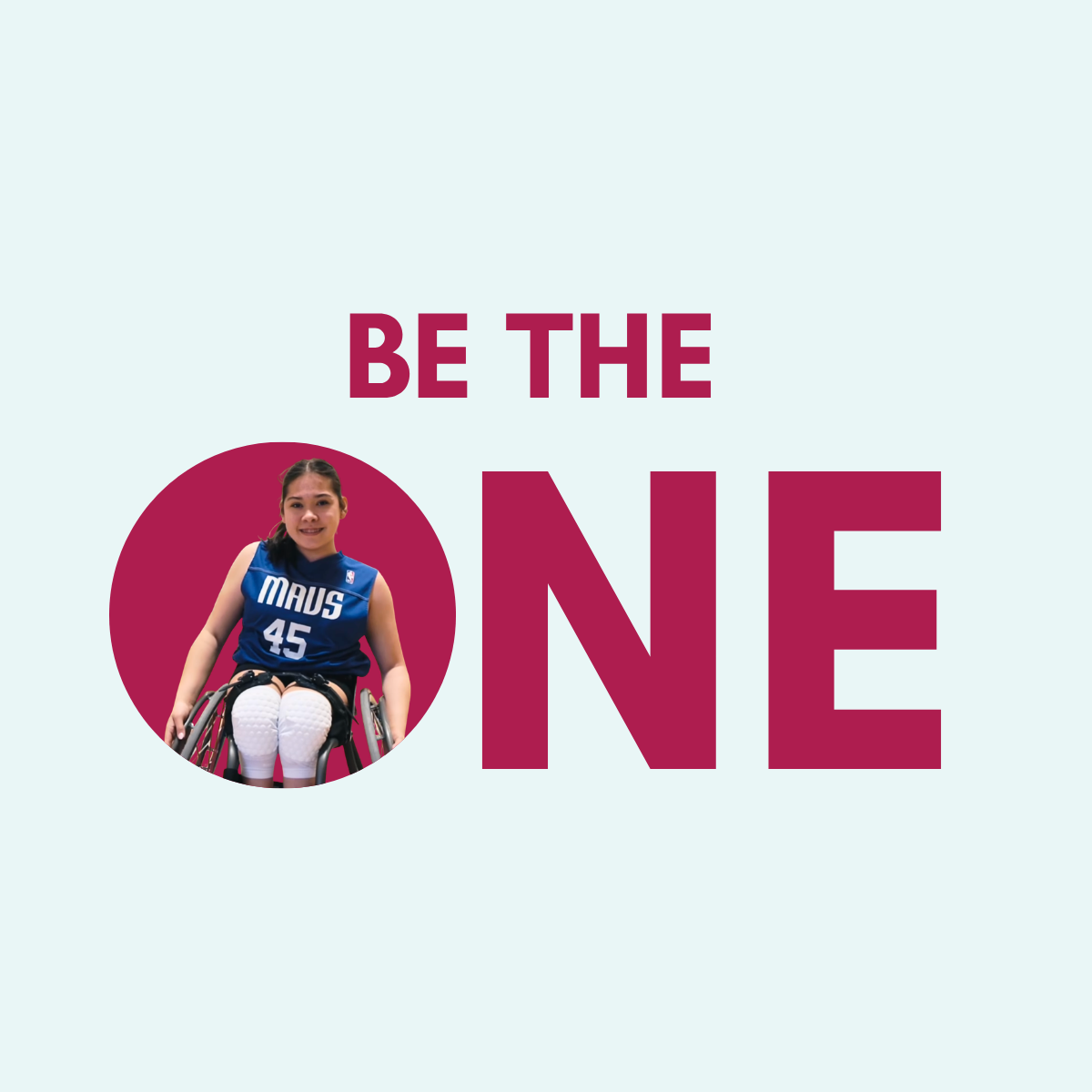
Be the One is a campaign centered on Mayli’s story, a student and her mother whose advocacy for an inclusive playground helped transform her school community and created a lasting impact for generations of students who followed.
In 2018, Mayli and her mother advocated for an inclusive playground so every child could belong. In 2025, GameTime revisited the school and Mayli to see what had become. They started with a playground and left a legacy.
This campaign uses Mayli and other community champions across the country as proof that when someone advocates for the needs of one child, they create environments that benefit all children.
Most communities don't set out to leave anyone behind. Parks get built to code. Playgrounds get approved. Ribbons get cut. And yet, somewhere between the blueprint and the swing set, a child ends up at the edge of the fence, watching.
Exclusion is rarely a decision. More often, it's the residue of a hundred small choices made without anyone in the room who needed something different — a ramp instead of a step, a quiet corner instead of constant noise, a way to play that doesn't require running. The result is the same either way: a space that works for most people, and a child who learns, early, that "most" doesn't include them.
The One was designed as a storytelling campaign that could live across multiple platforms while giving people a way to become part of the story themselves. Rather than treating inclusion as a single message, we built an ongoing campaign that highlighted the people making their communities more inclusive. We also invited others to recognize those doing the same.
At the center of the campaign was a dedicated, interactive landing page that served as the home for The One. We created a nomination form where people could submit “their one” an advocate, educator, parent, community leader or individual making a difference in their community. Approved nominations were then added to an interactive U.S. map on the landing page. Visitors could explore the map, click individual locations, and discover the people and stories behind each nomination. This allowed the campaign to continually grow as more people participated.
Storytelling extended well beyond the website. Every Wednesday, we featured a different person and shared their story across GameTime’s social media channels. These stories ranged from advocates who had spent years fighting for inclusive recreation to families whose personal experiences inspired change in their communities. Video, photography, carousels, and written storytelling gave us flexibility to tell each story in the format that fit it best while creating a consistent weekly rhythm audiences could recognize.
Email marketing expanded the reach of the campaign and directed audiences back to the stories, nomination experience and campaign resources. We also created a complete toolkit for GameTime sales representatives, giving them ready-to-use social content, graphics, messaging and email materials so they could bring The One into their own professional networks. This transformed the campaign from a corporate social initiative into something our broader organization could participate in and personalize.
We also created the Be The One Companion Guide, a downloadable resource that brought the campaign’s stories together with inclusive design data, research, and educational content. The guide gave audiences a deeper way to engage with the campaign while connecting personal stories to the broader principles behind creating more inclusive spaces.
We extended The One beyond owned channels through targeted media outreach, pitching individual stories and the broader campaign to relevant outlets. The campaign also had a physical presence at the ADA conference, where The One was incorporated into GameTime’s booth experience and introduced directly to an audience already deeply engaged in accessibility and inclusion.
One of our biggest challenges was creating a campaign that could unify dozens of very different personal stories without making them feel formulaic. What made The One unique was that it wasn’t simply content people consumed. They could watch a story, nominate someone, explore their community on the map, share the campaign, or tell a story themselves. Across social media, web, email, sales outreach, media relations, and in-person engagement, every piece worked toward the same idea: meaningful change often starts with one person.
The One campaign was designed to do more than generate awareness. Our goal was to create meaningful engagement around inclusion, encourage people to recognize advocates in their own communities, and give audiences multiple ways to continue exploring the stories and resources behind the campaign.
From July 1 through August 23, the Be The One landing page generated 819 views from 404 users across 595 sessions, with a strong 72.9% engagement rate. That level of engagement was especially important because the campaign centered on long-form storytelling and education rather than a traditional product-focused conversion.
The campaign also generated 13 new leads through the nomination and companion publication forms, demonstrating that people were willing to move from consuming the stories to actively participating in the campaign. Visitors also continued their journey across GameTime’s social channels, with tracked clicks leading to Instagram and YouTube, extending the campaign beyond the landing page itself.
While current tracking limitations prevented us from confidently attributing grant activity directly to Be The One, the campaign succeeded against its primary objectives: people engaged with the content, explored stories across platforms, downloaded educational resources and submitted nominations of individuals making their own communities more inclusive.
Most importantly, The One became a participatory storytelling platform rather than a one-time marketing message, giving the campaign the ability to continue growing with every new story shared.