“The Social Media Trap” is a nine-part educational video series designed for students aged 13–18. It supports learning within school subjects such as Health, Computer Science, and broader digital literacy contexts. It was produced and released to coincide with the implementation of a law in Australia that bans children under the age of 16 from using social media platforms, commonly called the “social media ban”. The law, which came into force in December 2025, places the compliance burden on platforms and is, to-date, the most far-reaching age restriction of its kind. Since then, various countries have considered introducing similar age-based restrictions or enhanced platform accountability measures, including the United Kingdom and Canada in recent months.
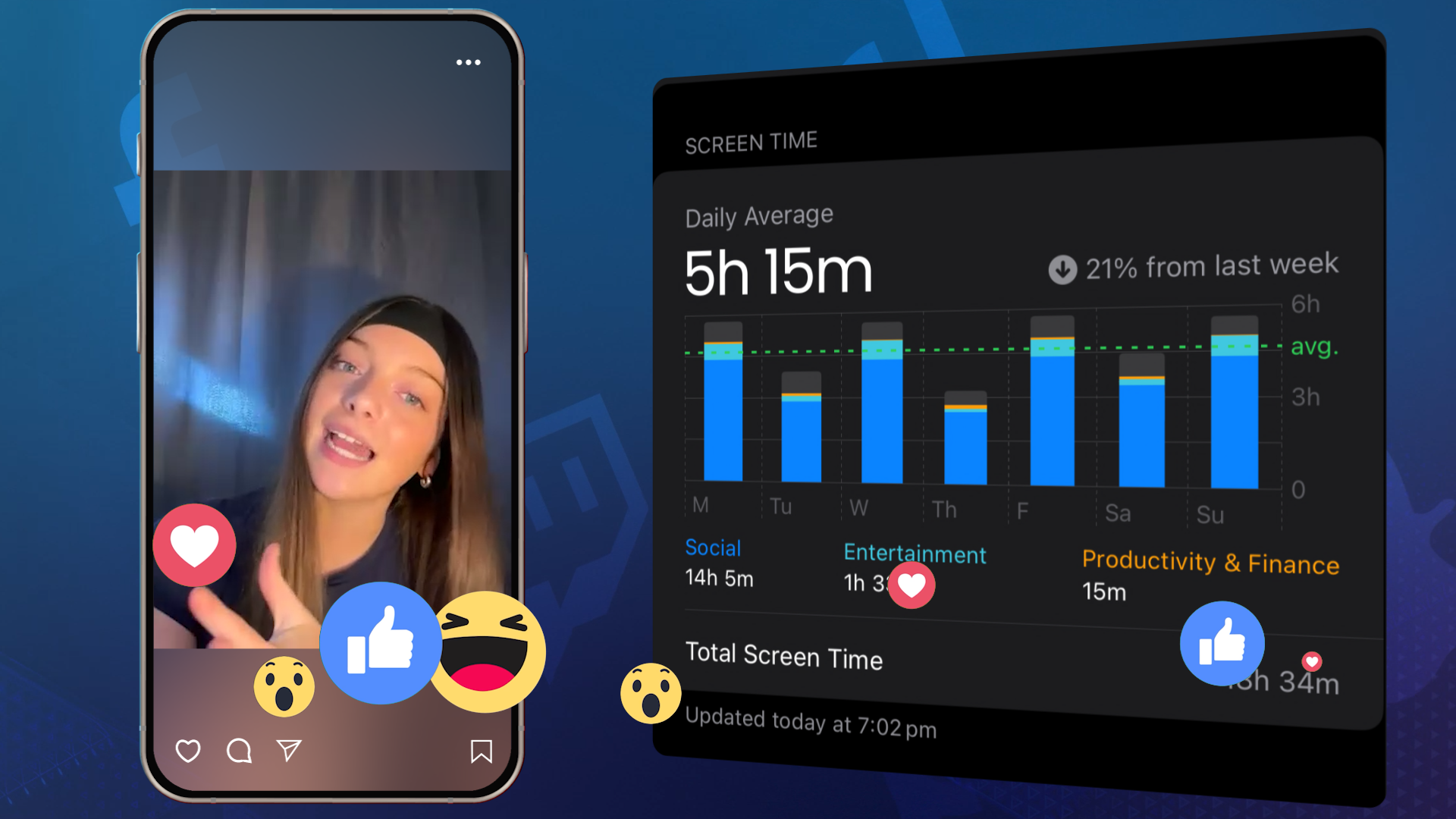
The series was created with a goal of looking at adolescent social media use without demonizing the technology. It provides structured, research-informed classroom engagement with the psychological, technological and social dimensions of adolescent social media use, while also centering the real-life experiences of young people using (and abstaining from using) social media. By the end of the series, students should understand how persuasive design features are engineered to maximize engagement, be aware of the psychological effects of social comparison and validation metrics and be able to relate this knowledge to real-world examples, including viral trends and regulatory responses. Crucially, the series also asks students to reflect on their own digital habits and to develop the critical awareness that makes informed choice possible.
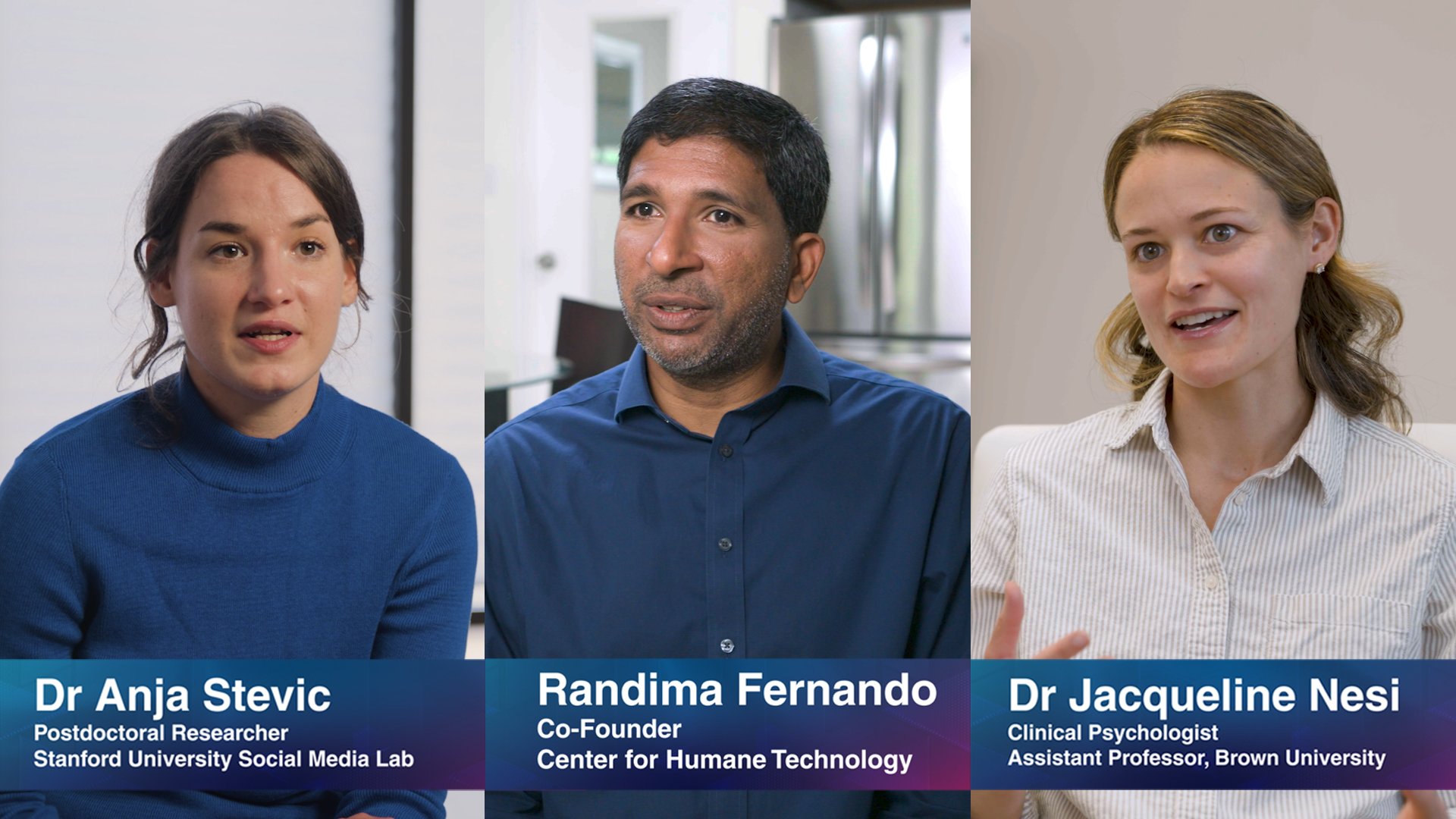
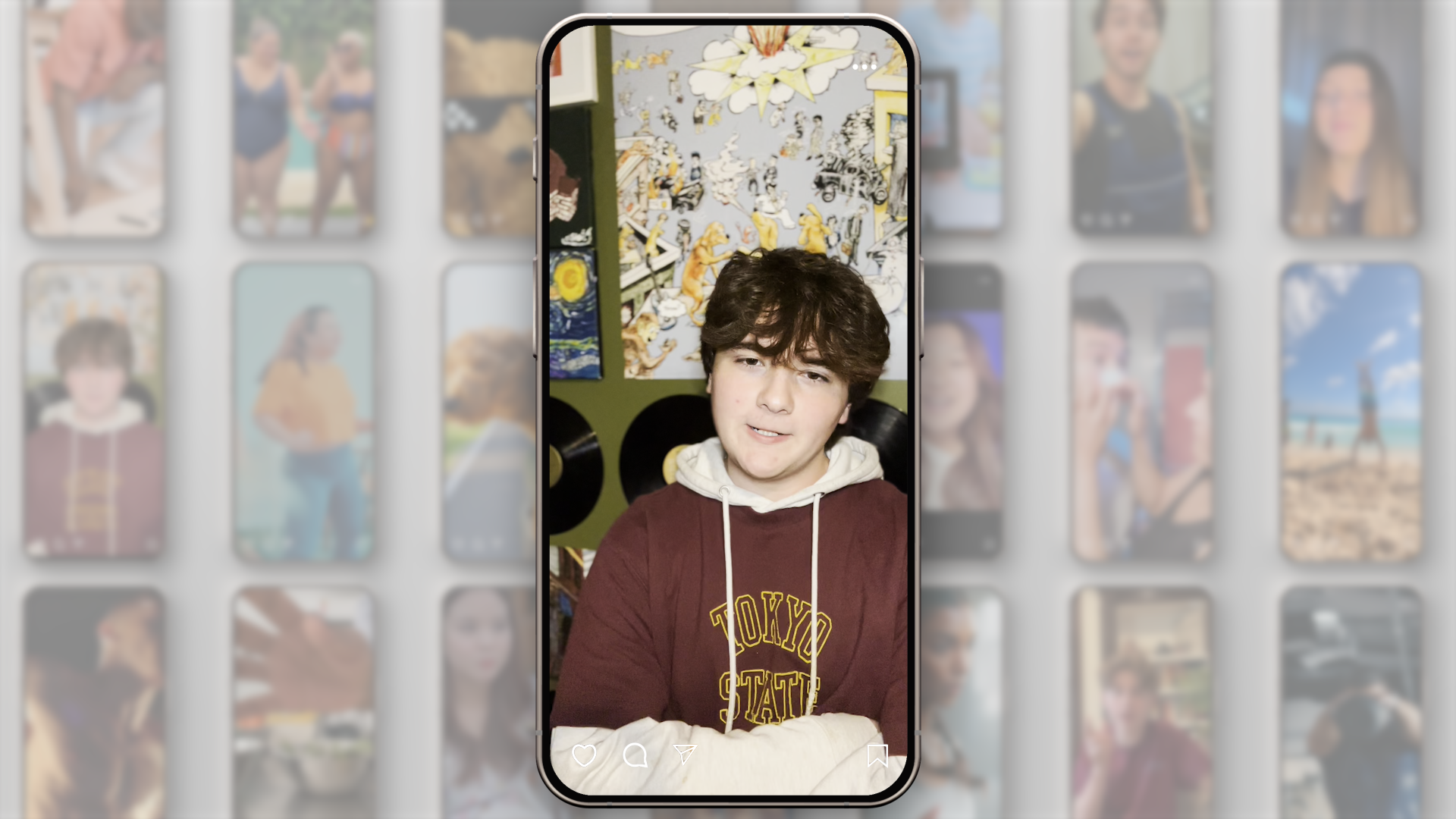
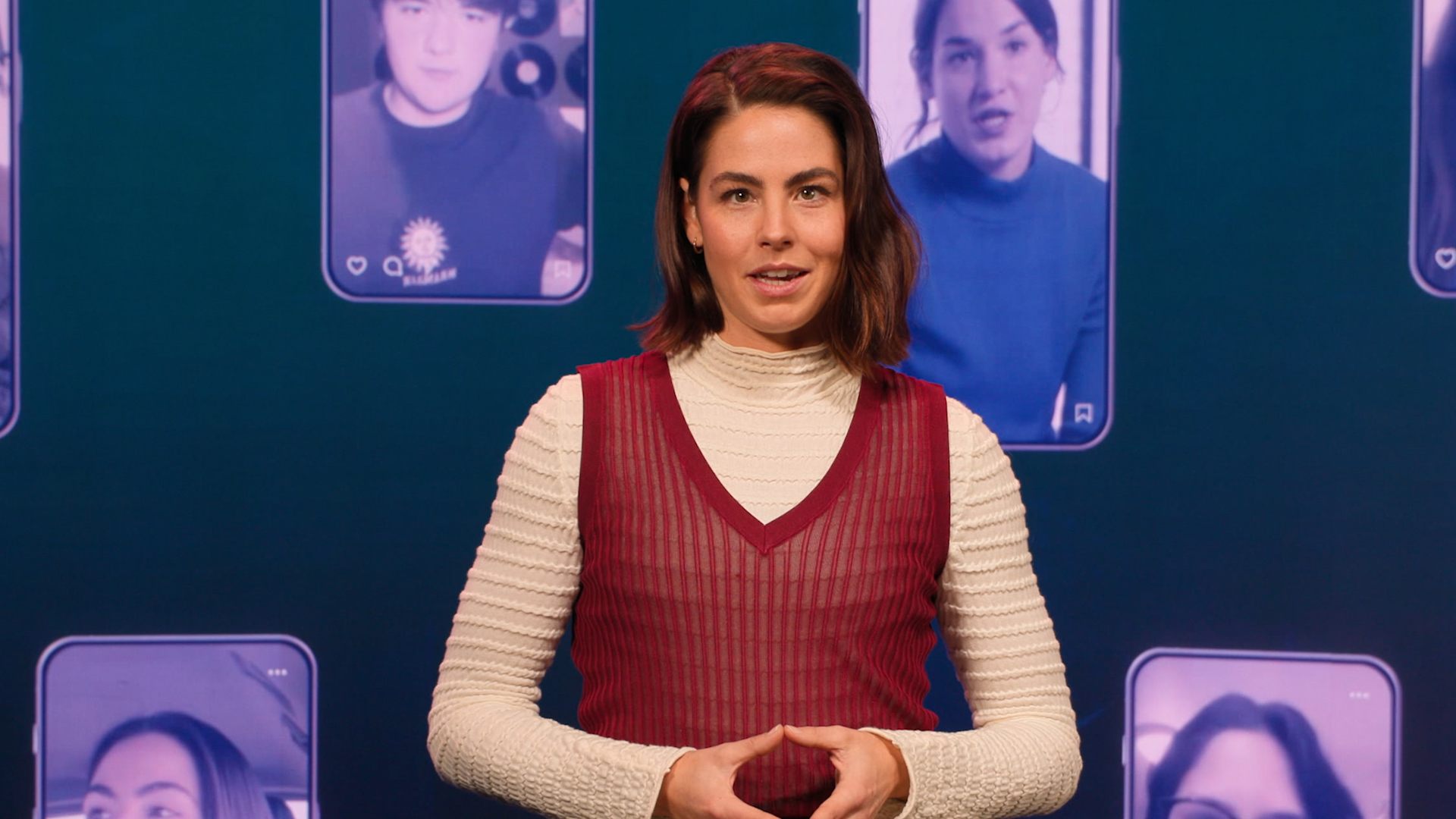
The overall design of “The Social Media Trap” was driven by two main considerations: diversity of perspectives and diversity of usage. Rather than focusing narrowly on the “harms” of social media, we wanted the series to offer differing and balanced viewpoints, in order to encourage young people to engage with social media thoughtfully: to understand the systems at work, to weigh the evidence and to develop their own informed opinions. As such, the series looks at social media in three main ways. First, it features interviews with industry and academic experts who discuss the history of social media and its impact on young people. These academics include Dr. Anja Stevic and Angela Yuson Lee from the Stanford University Social Media Lab; Dr. Jared Cooney Horvath, an educational neuroscientist from The University of Melbourne, Australia; Dr. Jacqueline Nesi, Assistant Professor of Psychiatry and Human Behavior at Brown University; and Randima “Randy” Fernando, co-founder of the Center for Human Technology, which was heavily involved in the Netflix documentary film “The Social Dilemma” which explores similar themes around social media. Second, five young people (ages 13-16) from around the world were asked to refrain from using social media for two weeks, and to record their thoughts during this period and reflect on their personal relationships with social media in video diary/“vlog” format. Third, the overarching narrative and themes of the series are explored through presenter-to-camera sequences, featuring Molly Richardson, a social media influencer and user-generated content creator, who brings her own experience with social media. Filming all of these elements also presented one of the greatest challenges in the production process, as the experts, young people, presenter and production team were based in different locations across Australia and the United States. Ultimately, filming was conducted using a combination of on-set directing and shooting, Zoom-directed interview filming and asynchronous self-filming.
Regarding the diversity of usage, this series of videos is designed as a supplement to classroom learning. As such, different episodes of the series can be used in different ways according to student and teacher preference. The first five videos in the series (”What's the Problem?,” “The Tech of Persuasion,” “How Does It Affect Us?,” “How Do We Fix It?,” and “How to Break Free”) are shorter, thematically driven videos, using a blend of all three of the elements described above, with each episode delving into a specific theme related to social media usage. The episode “Diary of a Social Media Detox” brings together the young people’s vlogs in a longer-format video, allowing young viewers to engage more deeply with the thoughts of their peers. The final three videos are longer-format interviews with academic and industry experts, which provide greater context and discussion beyond the excerpts in the first five videos in the series, and are ideal for viewers who are particularly interested in research-informed perspectives.
“The Social Media Trap” was released in October 2025 on ClickView, an educational video platform for schools. Since then, the videos in the series have accumulated almost 10,000 views from schools in the United States, Canada, the United Kingdom, Australia, and New Zealand, and feedback from educators has been overwhelmingly positive. Some school libraries have placed the series on their list of recommended learning resources for teachers and students. Externally, the series was spotlighted in the May 2026 newsletter for the Media & Learning Association, an international, not-for-profit association set up in 2012 to promote and stimulate the use of media as a way to enhance innovation and creativity in teaching and learning. The series has also been the recipient of a number of awards, including the intermedia-globe Gold and Grand Awards for Education & Training at the 2026 World Media Festivals, the 2026 MEDEA Award for Best Educational Media at the 2026 MEDEA Awards, and the Gold Telly in the Online - Education & Discovery category at the 2026 Telly Awards.