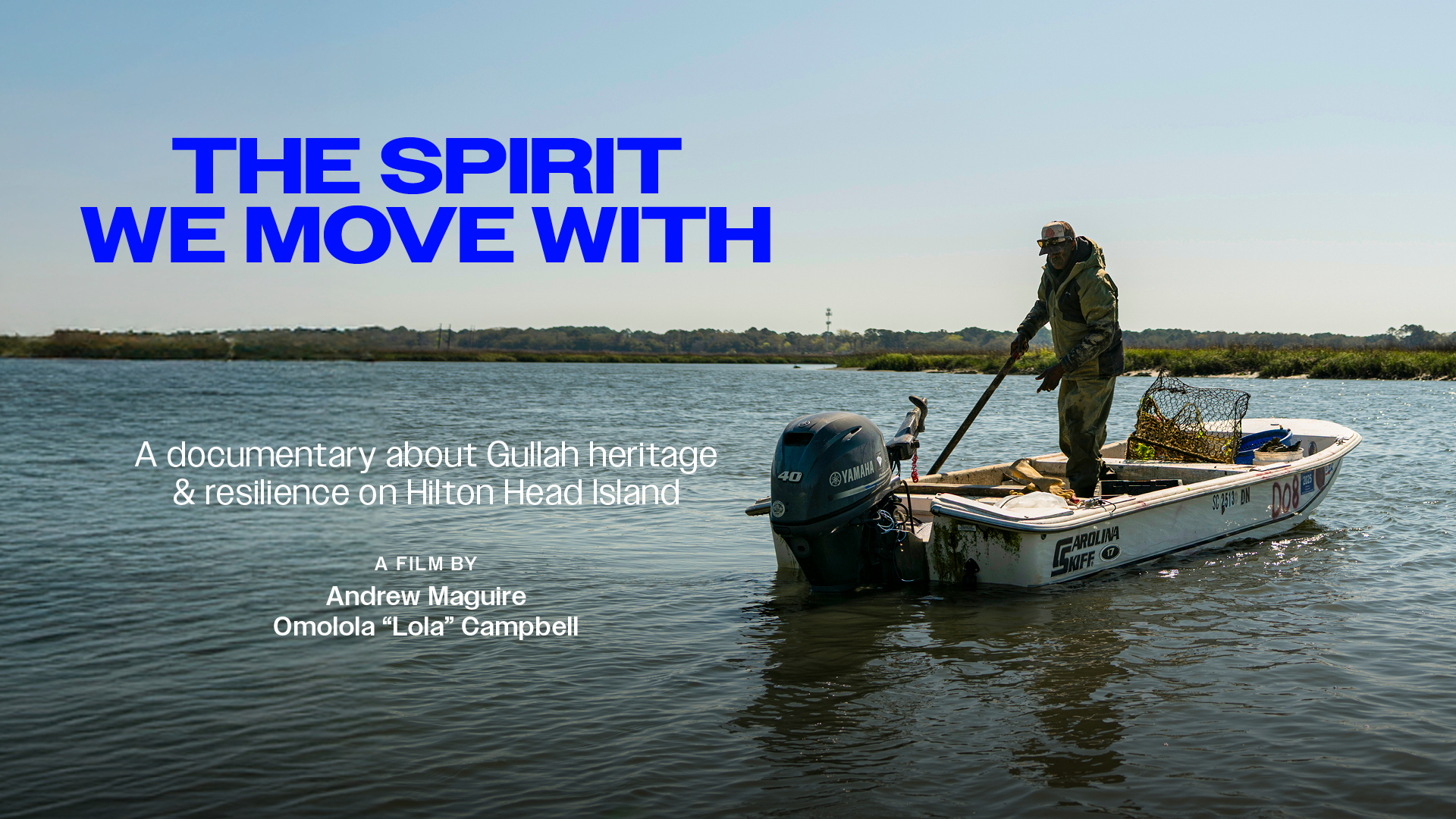
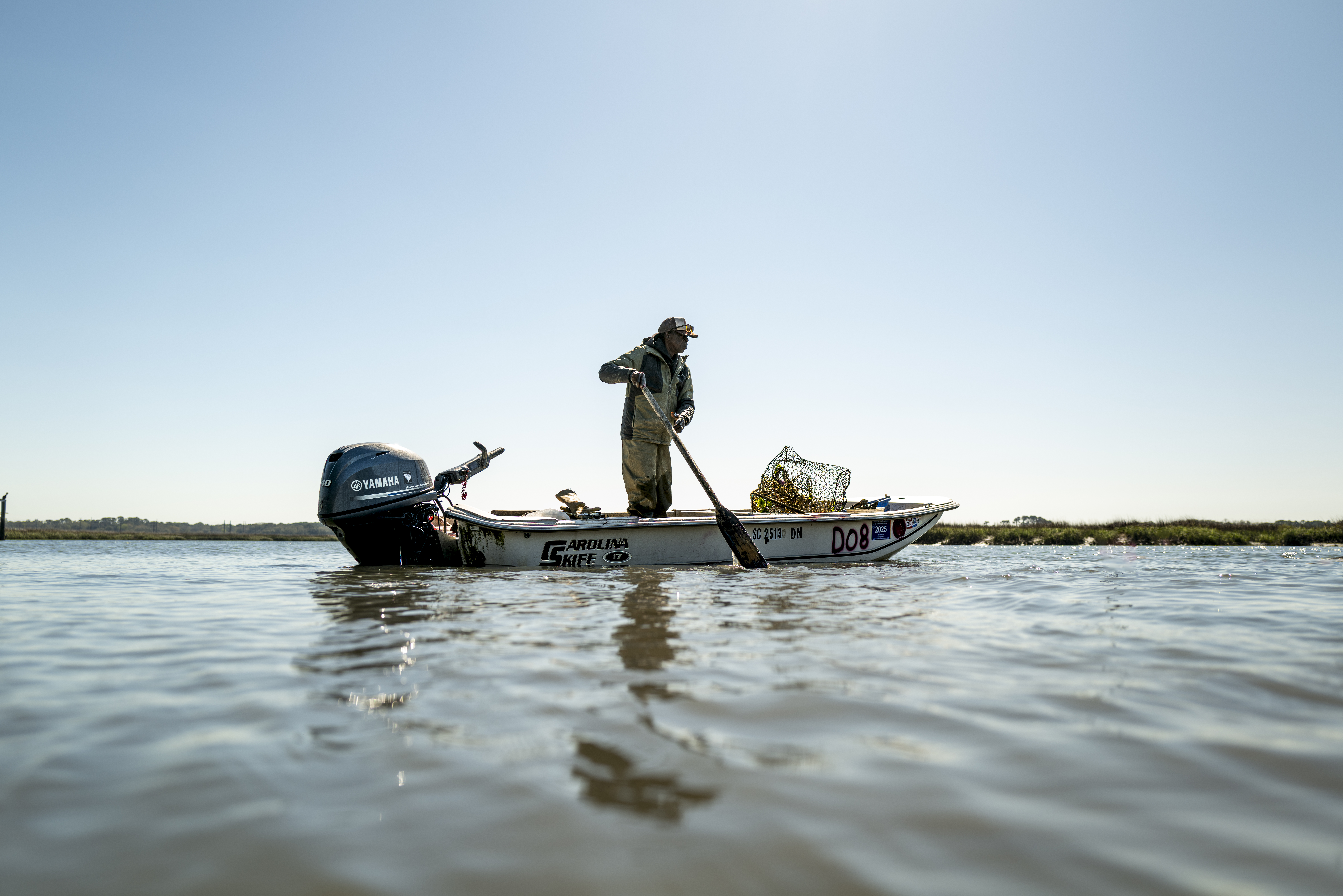
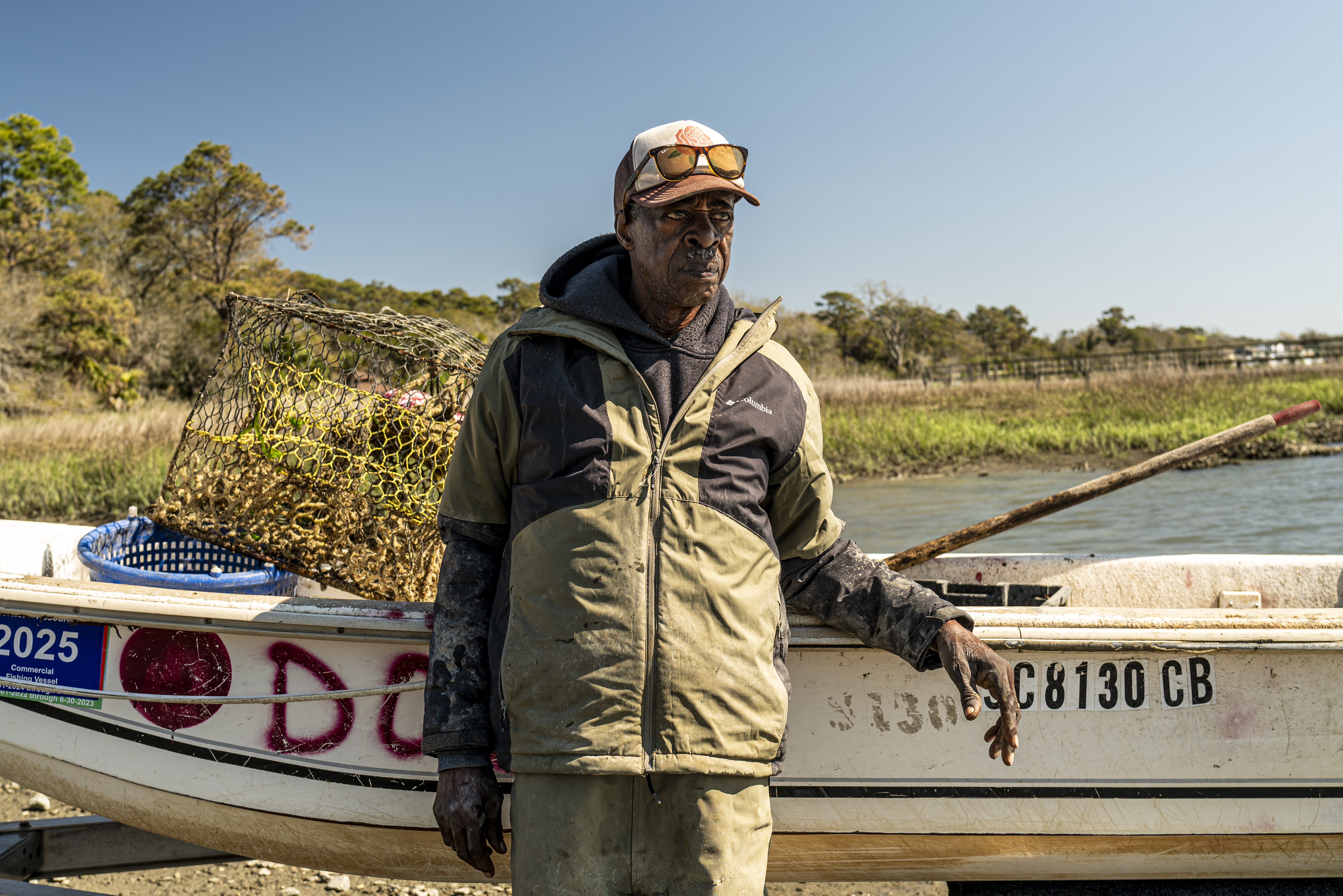
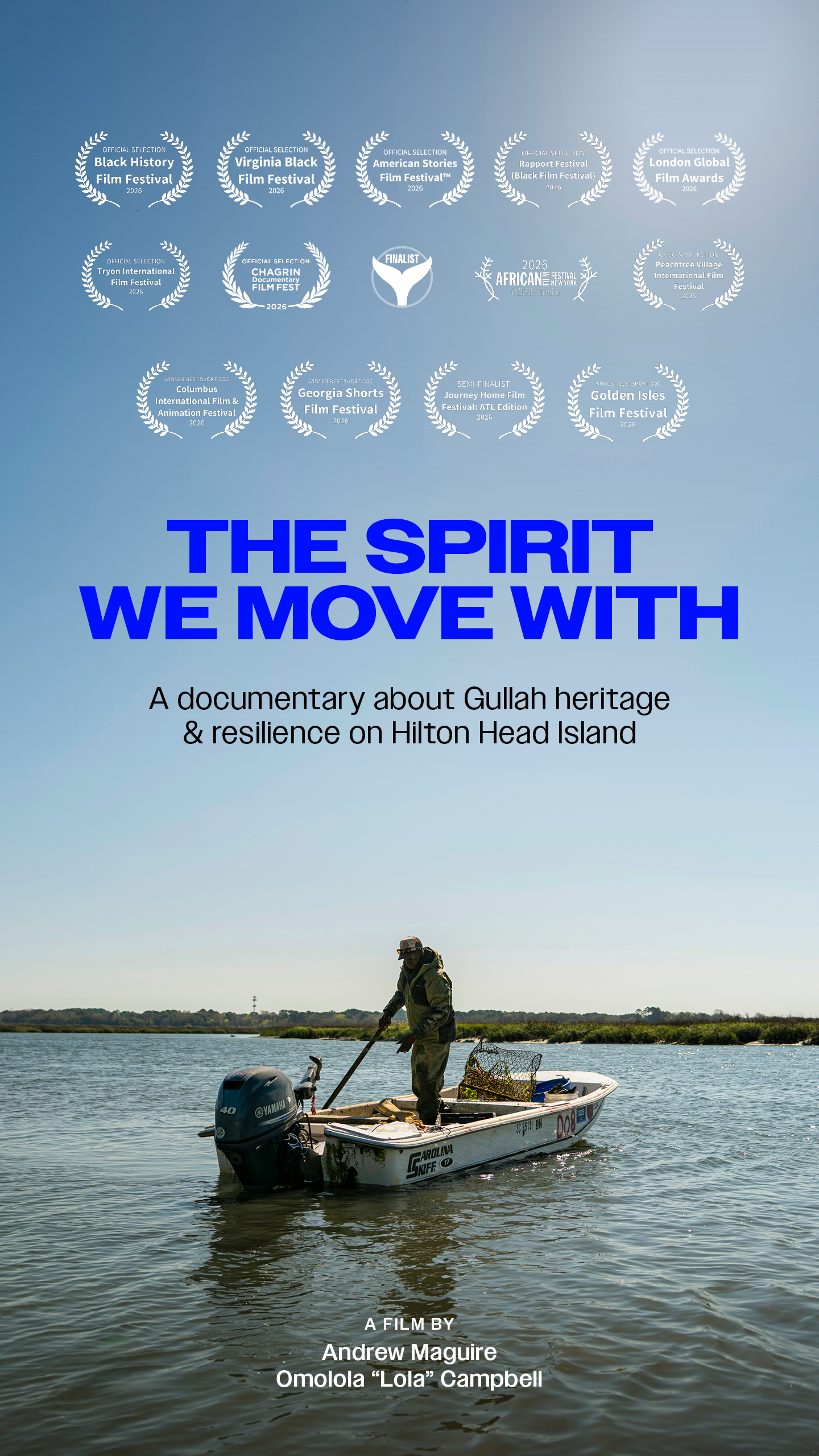
One of the most consequential chapters in Hilton Head Island’s history is also one of its least widely known. Before slavery was abolished nationwide, formerly enslaved people on the island established Mitchelville, the nation’s first self-governed freedmen’s town. Yet the generations of Gullah people who helped shape Hilton Head have not always been fully represented in its public story. The Spirit We Move With set out to help change that—not by speaking for the community, but by creating space for Gullah voices to tell their own stories in their own way.
Our first goal was cultural preservation: to capture family histories, language, values, and lived experiences largely passed down orally. Our second was representation: to show Gullah culture not as something from the past, but as a living, evolving part of Hilton Head Island today. Our third was reach: to share this important American story with audiences beyond the Southeast through community screenings, film festivals, and digital distribution.
Just as important as the film itself was how it was made. We moved away from extractive storytelling toward a trust-based, community-led process, where Gullah elders, leaders, and residents helped shape the narrative and had real input along the way. In the end, success meant two things: that the people whose stories were told felt the film was accurate, respectful, and true to their experience, and that it could build greater awareness of the Gullah community today while bringing wider attention to an important, lesser-known chapter of American history.
We started with listening, not a script. The film grew out of roundtable conversations with key Gullah elders, leaders and residents. Before cameras rolled, director Andrew Maguire spent months with the community earning their trust, hearing personal histories and learning which ones the community wanted to share—and how they wanted them told. Over nearly a year, additional in-person and virtual conversations shaped the documentary’s direction. Sixth-generation Hilton Head Island Gullah descendant Omolola “Lola” Campbell served as executive producer and a critical bridge throughout, helping turn those conversations into a collaborative process and keeping community priorities central at every stage.
The central challenge was earning and protecting trust. Because the project was supported by a destination marketing organization, there was a risk that it could feel extractive or be shaped into a promotional narrative. The Hilton Head Island–Bluffton Chamber of Commerce chose to fund the work because it believed this history—and the Gullah community carrying it forward today—was important for audiences beyond the island to know and better understand. At the same time, the Chamber intentionally left editorial decisions to the filmmakers and community. Participants reviewed the film throughout production, and key community members provided final approval.
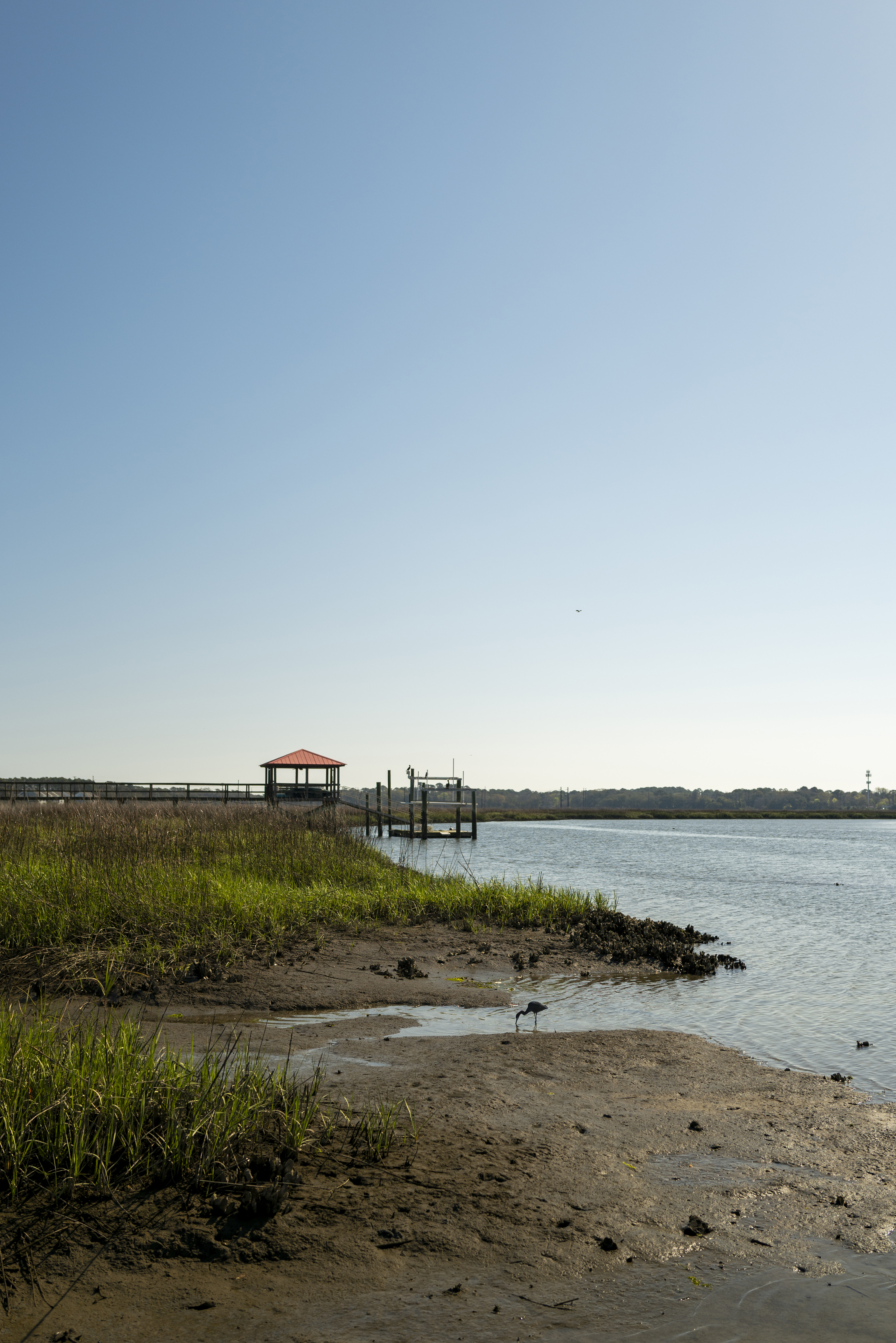
Maguire worked with a deliberately small production footprint, often filming alone. This minimized disruption and created space for candid, intimate conversations. The resulting 20-minute documentary is rooted in oral history and generational storytelling. Rather than molding participants’ testimony around a predetermined tourism message, the film allows themes of land, labor, faith, family, language and cultural survival to emerge from their lived experiences. Hilton Head Island’s land and waterways are presented not as scenic backdrops, but as inseparable from the stories being shared.
A second challenge was scope. No short film could fully capture the depth of Gullah history and contemporary life, and we did not attempt to create a definitive account. Instead, the documentary offers an intimate entry point, connecting individual experiences to the history of Mitchelville and the continuing influence of Gullah culture on Hilton Head Island.
The release followed the same community-first approach. The film premiered during Black History Month at Historic Mitchelville Freedom Park, debuting first to the community that helped shape and make it, followed by a talkback with participants and the filmmaker. Only after its local debut did the documentary move into a broader festival strategy.
What distinguishes the project is not only its subject, but its model. A destination marketing organization provided its resources and reach without dictating the narrative, demonstrating how destination storytelling can become an act of cultural stewardship grounded in trust, accountability and community authority.
The clearest measure of success came from the community whose stories the film tells. Approximately 300 people attended its premiere at Historic Mitchelville Freedom Park. After the screening, executive producer Omolola “Lola” Campbell wrote, “The Gullah community is so proud of this film.” She added that people kept asking, “Where can I see it again?” and “What are you going to work on next?” The response demonstrated community acceptance and an appetite for the storytelling to continue.
The documentary went on to earn selection at 13 festivals across the United States and London. At the New York African Film Festival, film participant Willie Marvin Cohen said the audience listened intently and expressed his pride in the interest the film generated in Gullah culture. The film was also presented by SCAD’s Walter and Linda Evans Center for African American Studies. It won Best Documentary Short at the Columbus International Film & Animation Festival as well as Best Documentary at the Georgia Shorts Film Festival.
Earned media extended the film’s reach from regional television coverage on WSAV—where Campbell explained why community trust was essential to its authenticity—to The Guardian’s global readership, generating interest in both the Gullah community and the documentary, including an inquiry from a professor in Spain seeking more information and access to the full film. Together, these outcomes carried the story far beyond Hilton Head, creating new touchpoints and prompting audiences to learn more about the lesser-known history and present-day culture of the Gullah people.