Plastic isn't just an environmental crisis. It's a human health issue that respects no borders.
The Plastic Detox, released globally on a major streaming platform, exposes this hidden health emergency through the stories of six couples trying to reduce plastic in their everyday lives.
The documentary had the potential to reach a huge international audience. Our challenge was to make sure awareness didn't stop at the screen.
Working with Jory&Co and a wider network of partners, the Oceanic Preservation Society (OPS) set out to build an impact campaign capable of travelling across languages, markets and cultures while giving people practical ways to act locally.
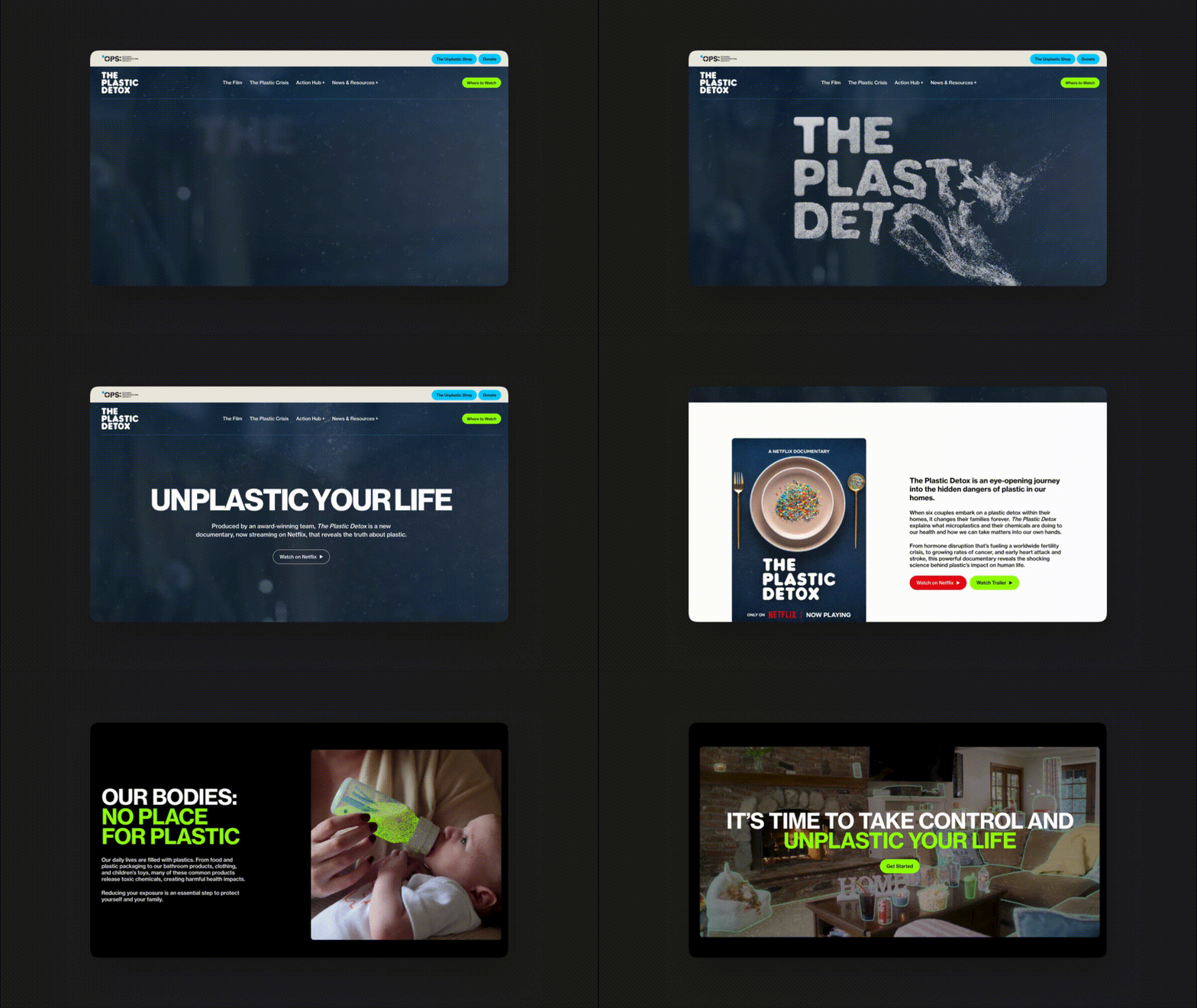
OPS brought the film, scientific expertise, advocacy strategy, international partnerships and global network. Jory&Co led the creative strategy, developing the campaign identity, messaging, social toolkit, film title animation and multilingual Unplastic Your Life digital experience.
Together, the campaign set out to:
Because global reach and global impact aren't the same thing.
Our ambition was to turn one into the other.
The campaign was designed for global scale from the outset.
The creative challenge was range.
The same idea needed to work on screen, on social media, in a practical household guide and at a community event. It needed to survive translation and remain recognisable when used by organisations with completely different audiences and resources.
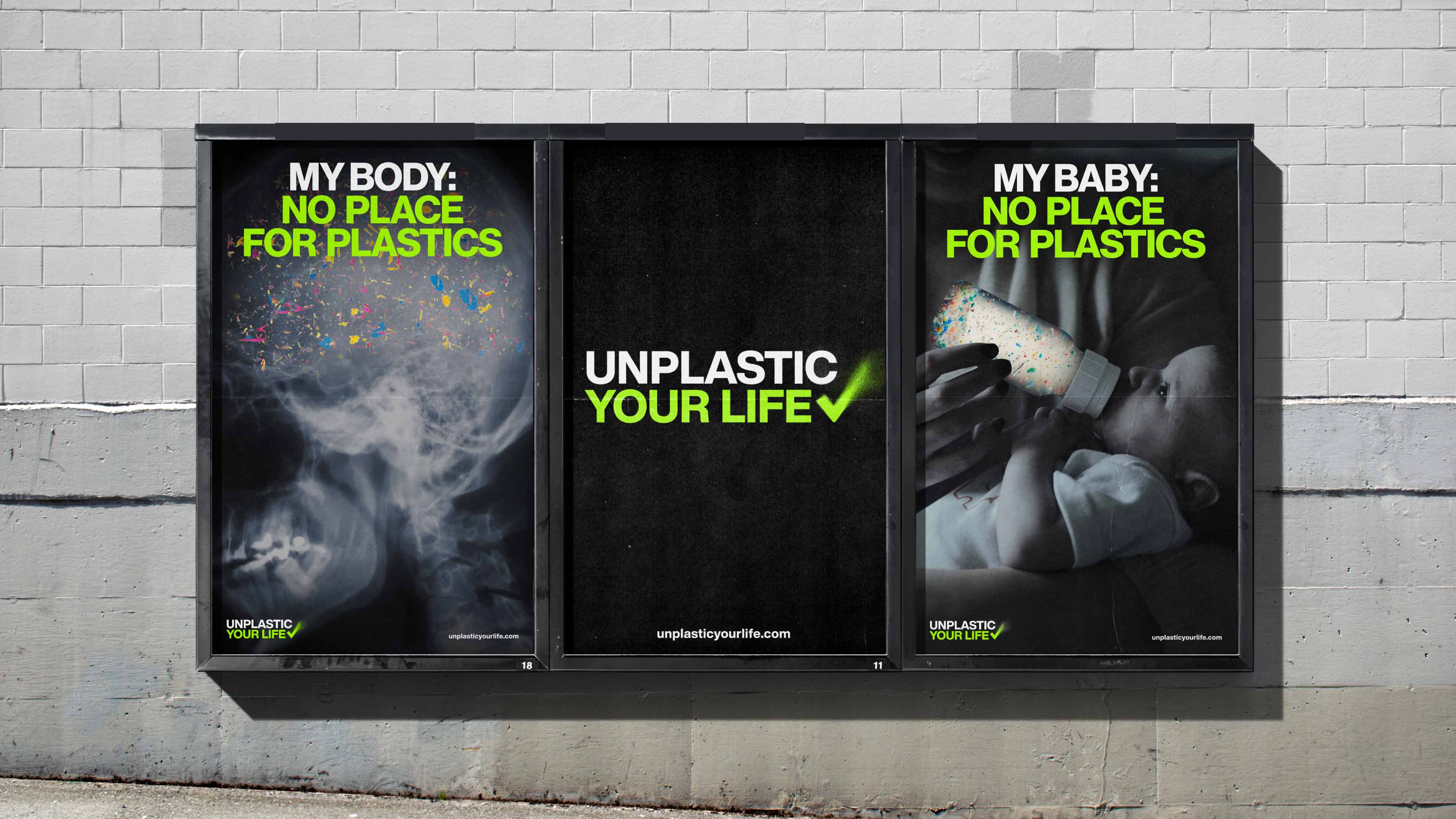
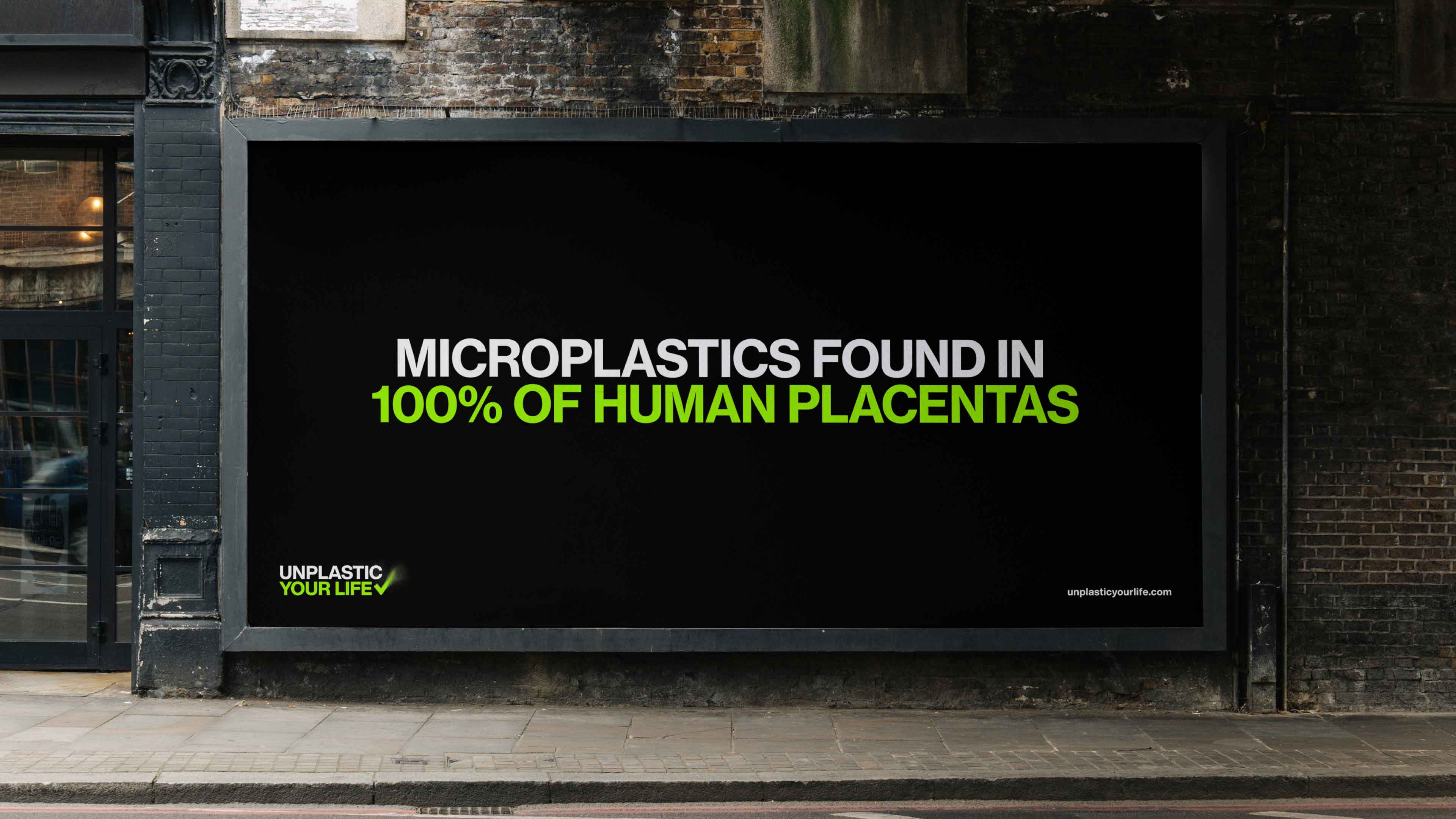
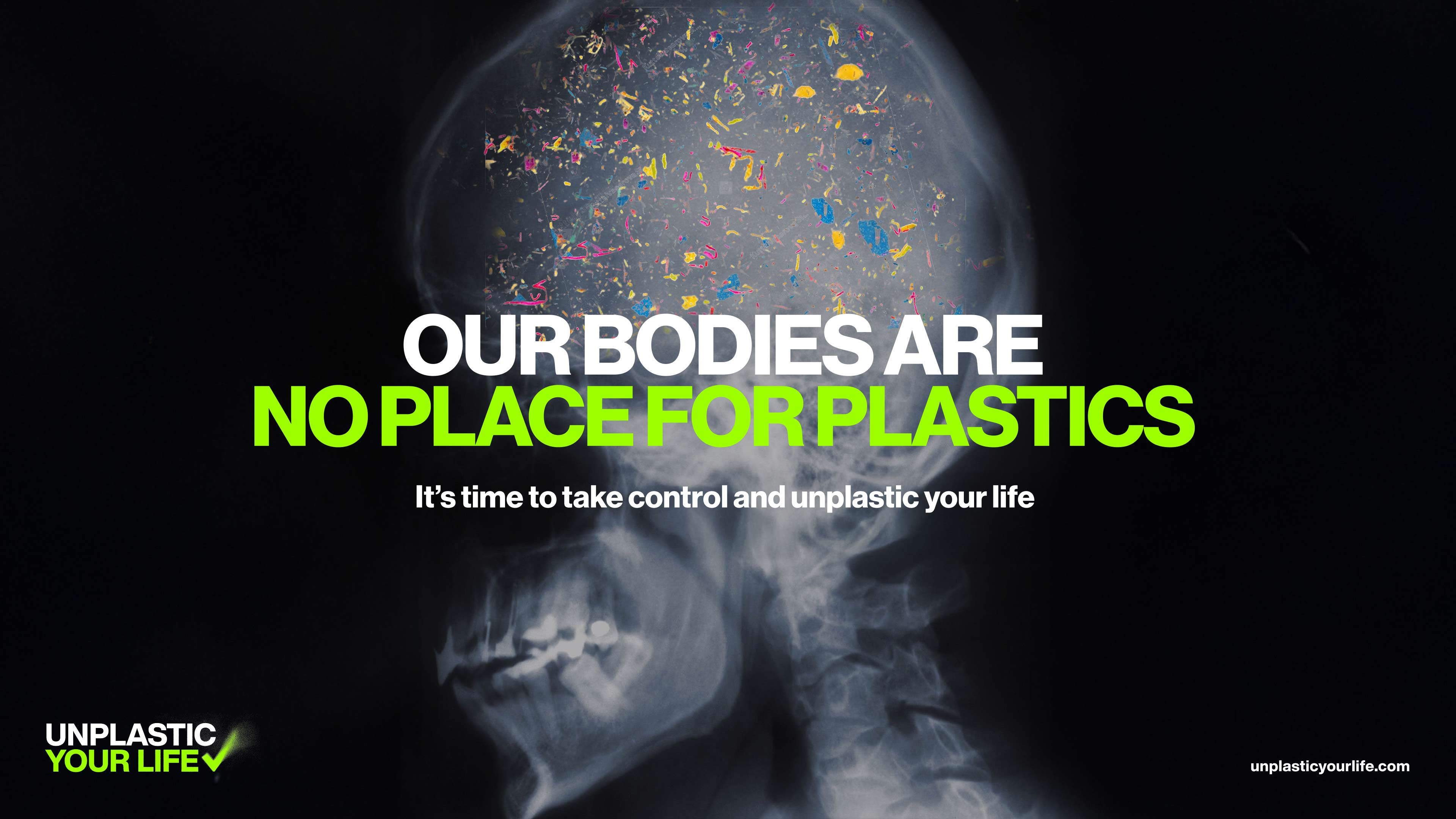
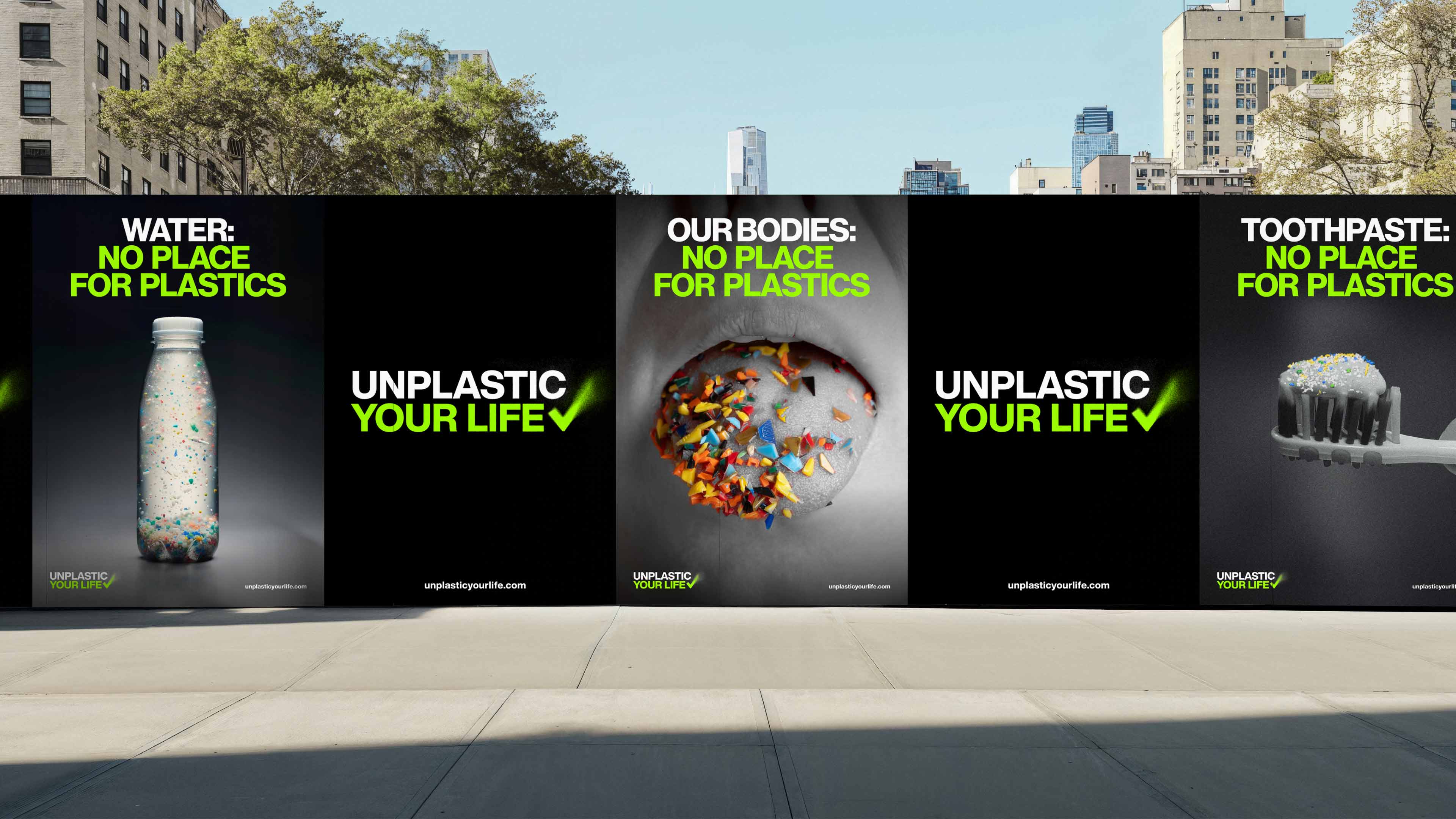
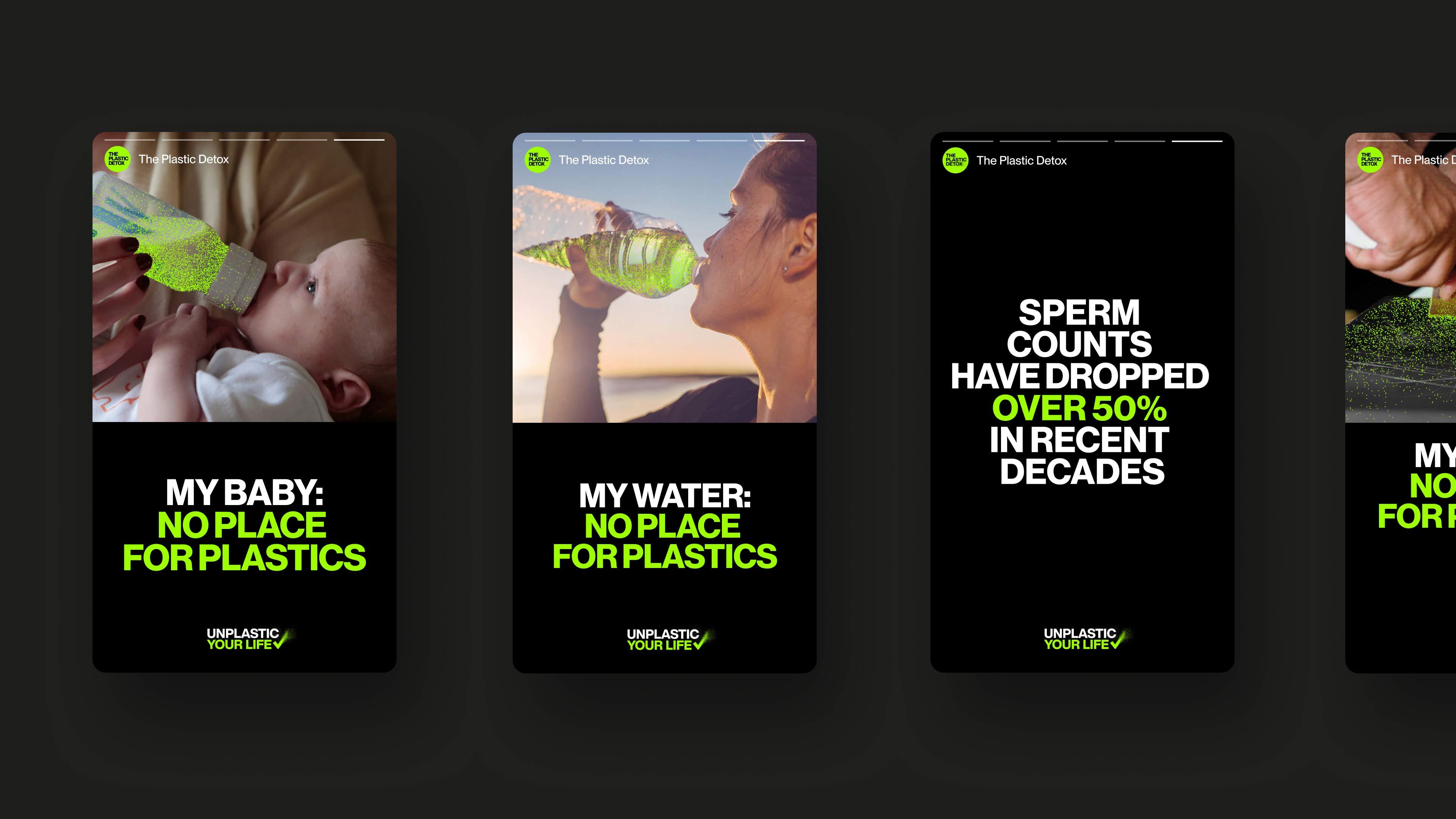
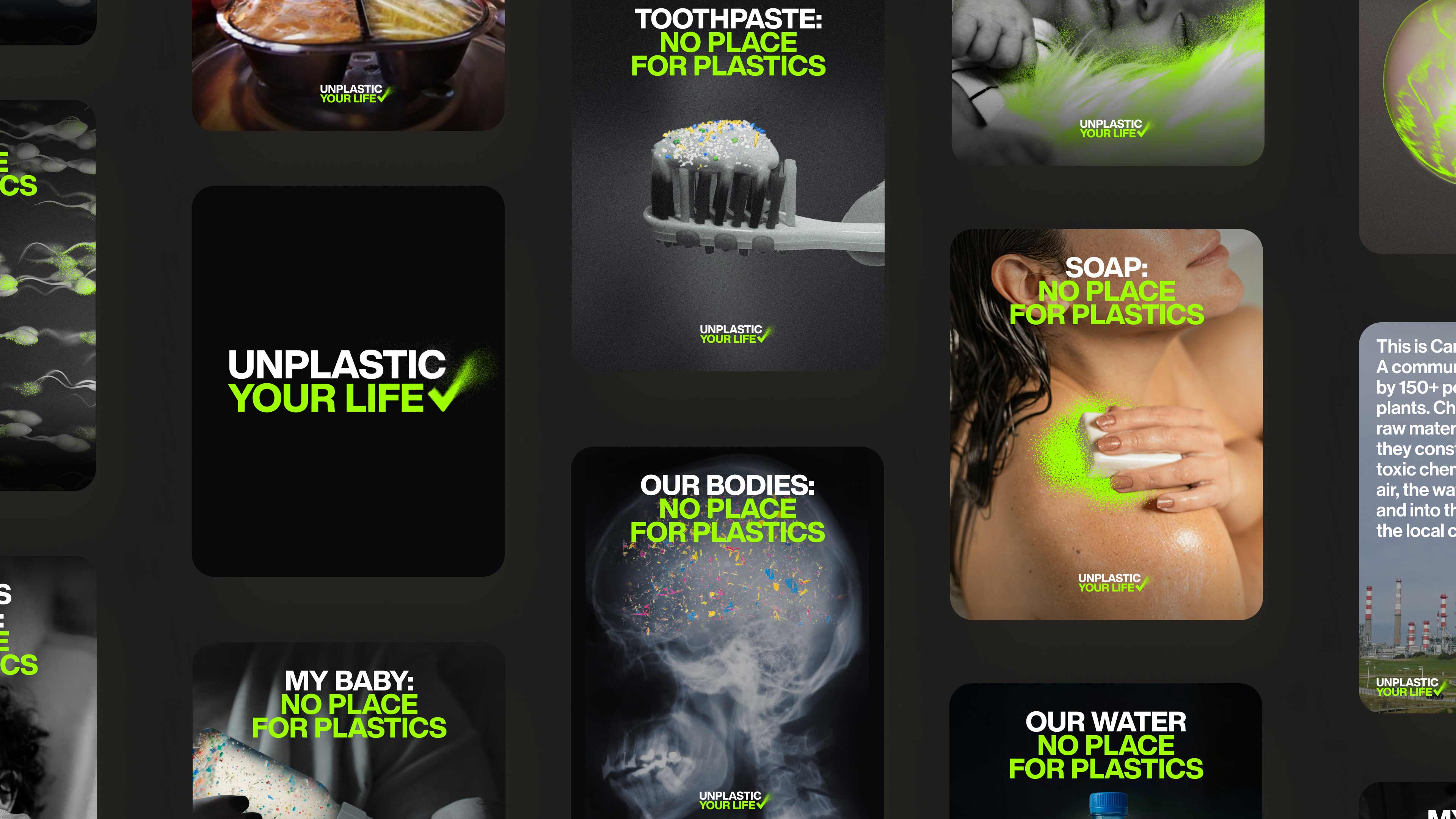
Our Bodies: No Place For Plastic provided the universal rallying cry.
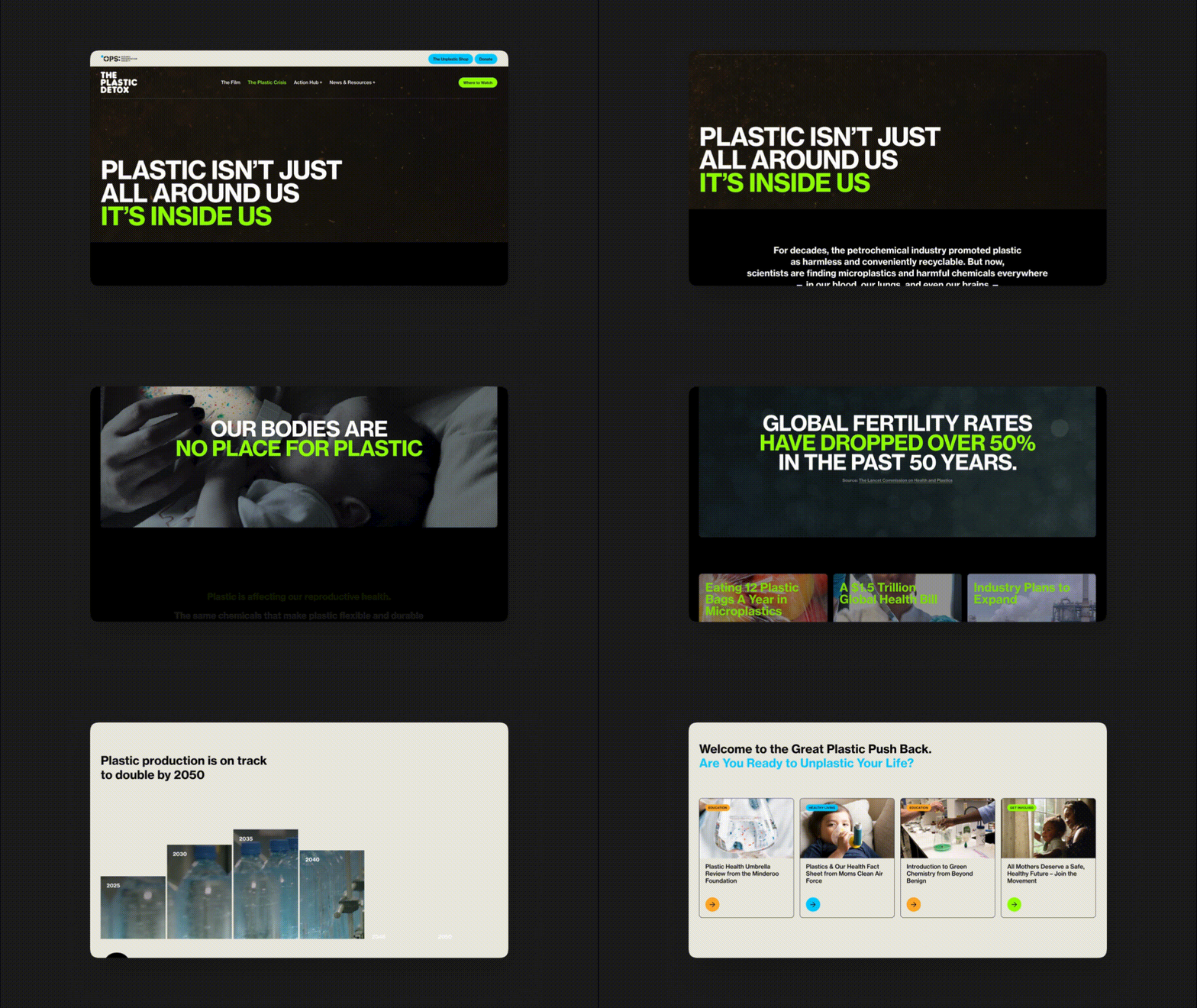
Stark typography, toxic green and microplastic imagery created a deliberately simple visual language that could flex across formats, languages and borders without losing its identity.
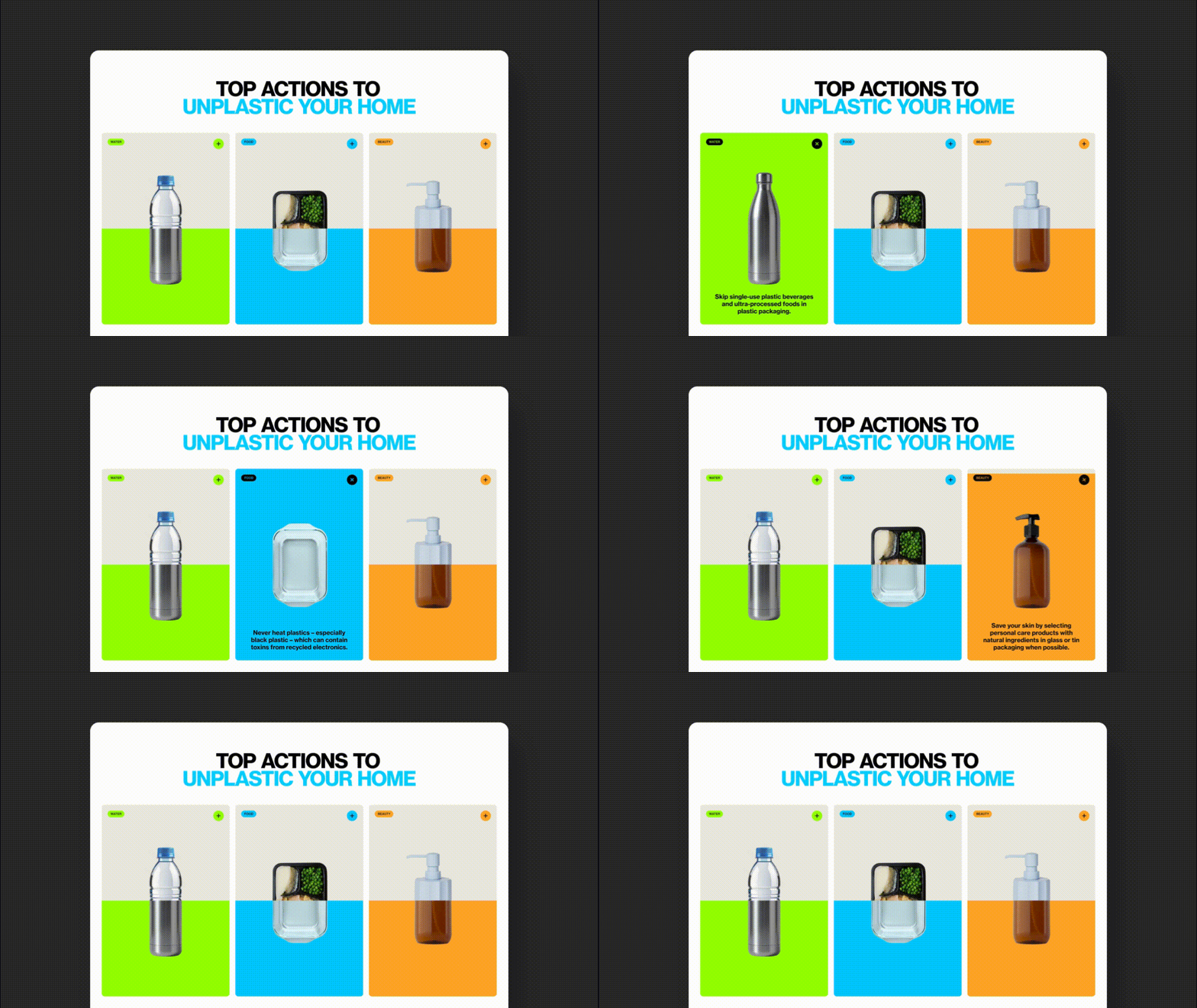
The film title animation introduced that world on screen. Then Unplastic Your Life turned global awareness into practical action.
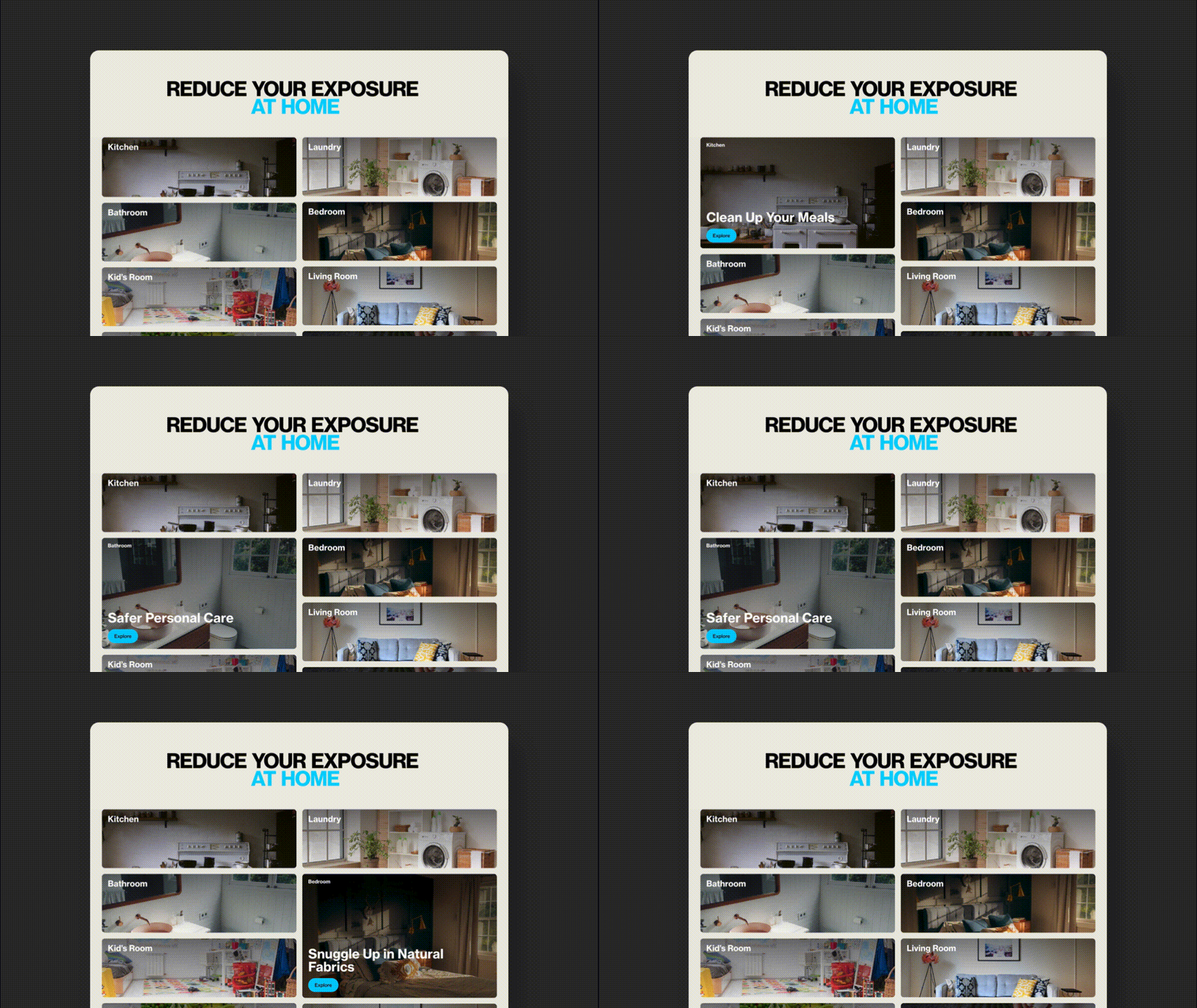
The digital hub gave international audiences eight room-by-room guides identifying everyday sources of plastic exposure and simple alternatives. The Plastic Playbook provided a practical healthier-home guide, while 87 vetted resources allowed people to explore the science and solutions more deeply. Free screening and discussion tools gave communities what they needed to organise their own events. Core resources were made available in English, Spanish, Italian, French, German and Polish.
Around that platform, a much larger international ecosystem mobilised.
NGOs, brands, scientists, creators and media organisations carried the message through their own channels. OPS and TED-Ed created educational content for a global audience. An influencer programme led by The Conspirators, with support from Million Marker, translated the science into personal stories about fertility, wellness, food and family health. Community organisations were equipped to host their own screenings and discussions.
The campaign moved into physical spaces too. Events, webinars and screenings extended the conversation from the US and Europe to Southeast Asia and Oceania.
Rather than creating one centralised campaign and simply translating it for different territories, we created one consistent global idea with flexible, practical infrastructure that organisations and communities could adapt and use locally.
The film could reach the world. The campaign gave the world something to do when it arrived.
The documentary reached a genuinely international audience.
During its first month, The Plastic Detox reached Top 10 in Estonia, Hong Kong, Lithuania, Hungary and Slovakia, alongside daily Top 10 appearances in Australia, Switzerland, Singapore and the majority of European countries.
The wider campaign amplified that reach dramatically, generating 9.85 billion potential press reach across 839 mentions, with an estimated $78 million publicity value. Coverage included The New York Times, The Guardian, TODAY, PEOPLE, Vogue, NPR and the Joe Rogan Experience.
The official trailer surpassed 1 million views, while campaign activity generated millions more through creators on Instagram and TikTok.
But the strongest measure of global impact was participation.
During the film's first month, 524 NGOs, brands and press organisations promoted the campaign on social media, helping generate 1.53 billion potential social-media reach.
Within the same period, the Unplastic Your Life hub received 225,000+ visits, while The Plastic Playbook was downloaded 4,000+ times, with core resources available in six languages.
More than 200 community screenings were confirmed or requested, supported by free screening and discussion tools designed to help audiences take the campaign into their own communities.
International activity extended from the ChangeNOW Summit in Paris to screenings and partnerships across the UK, France, Italy, Germany, Belgium, Poland, Spain and the Netherlands, with further activity reaching Southeast Asia and Oceania.
We set out to turn global attention into local action.
The film crossed borders. The campaign gave people around the world something to do when it reached them.