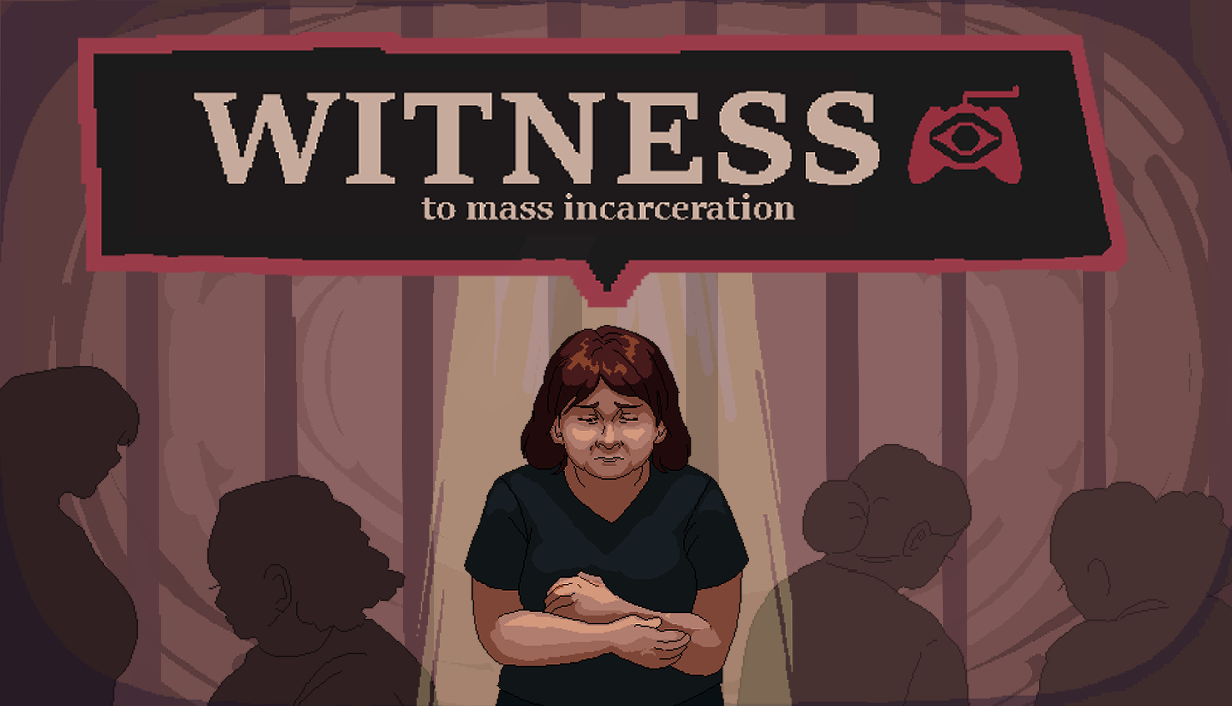
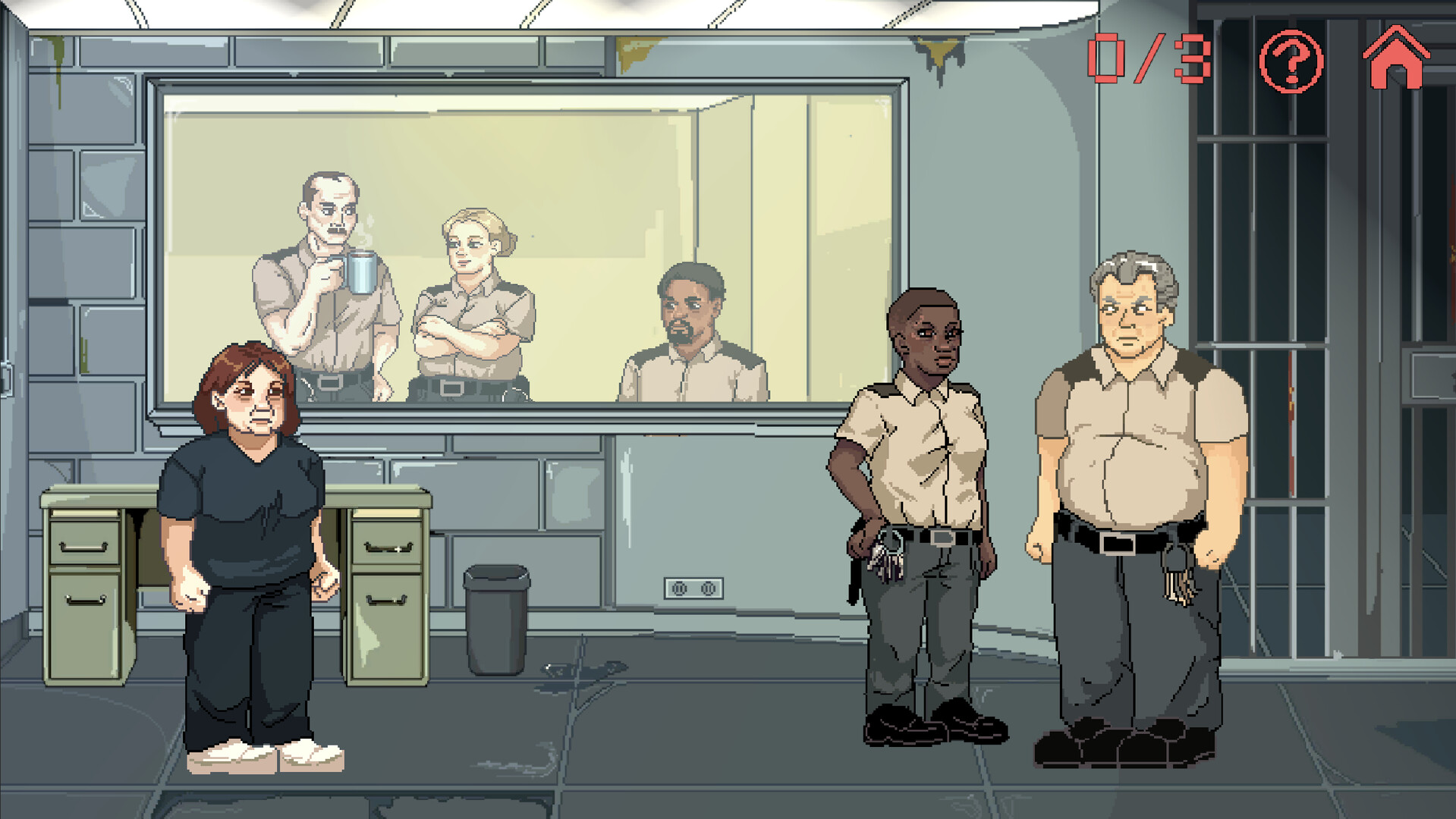
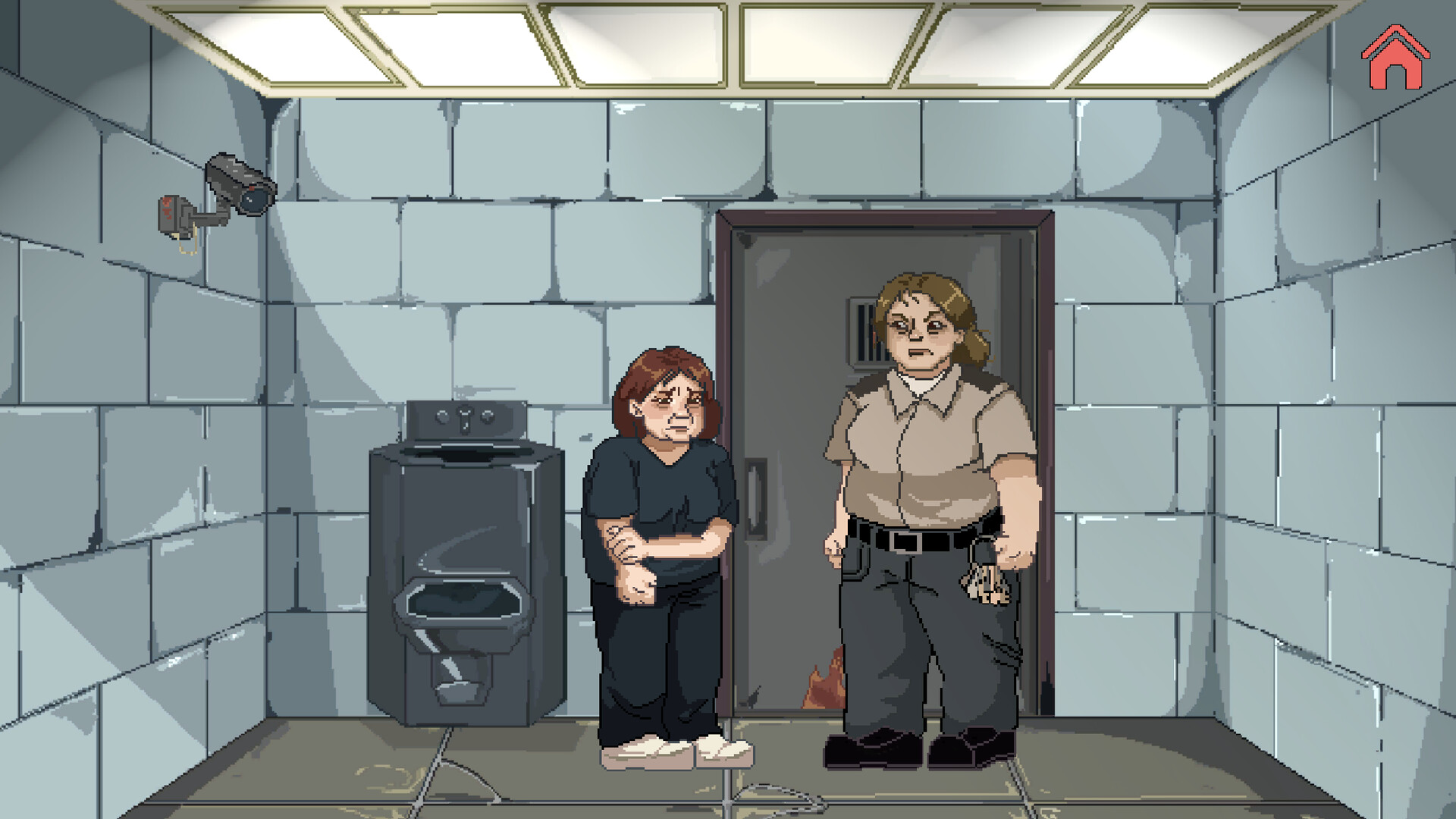
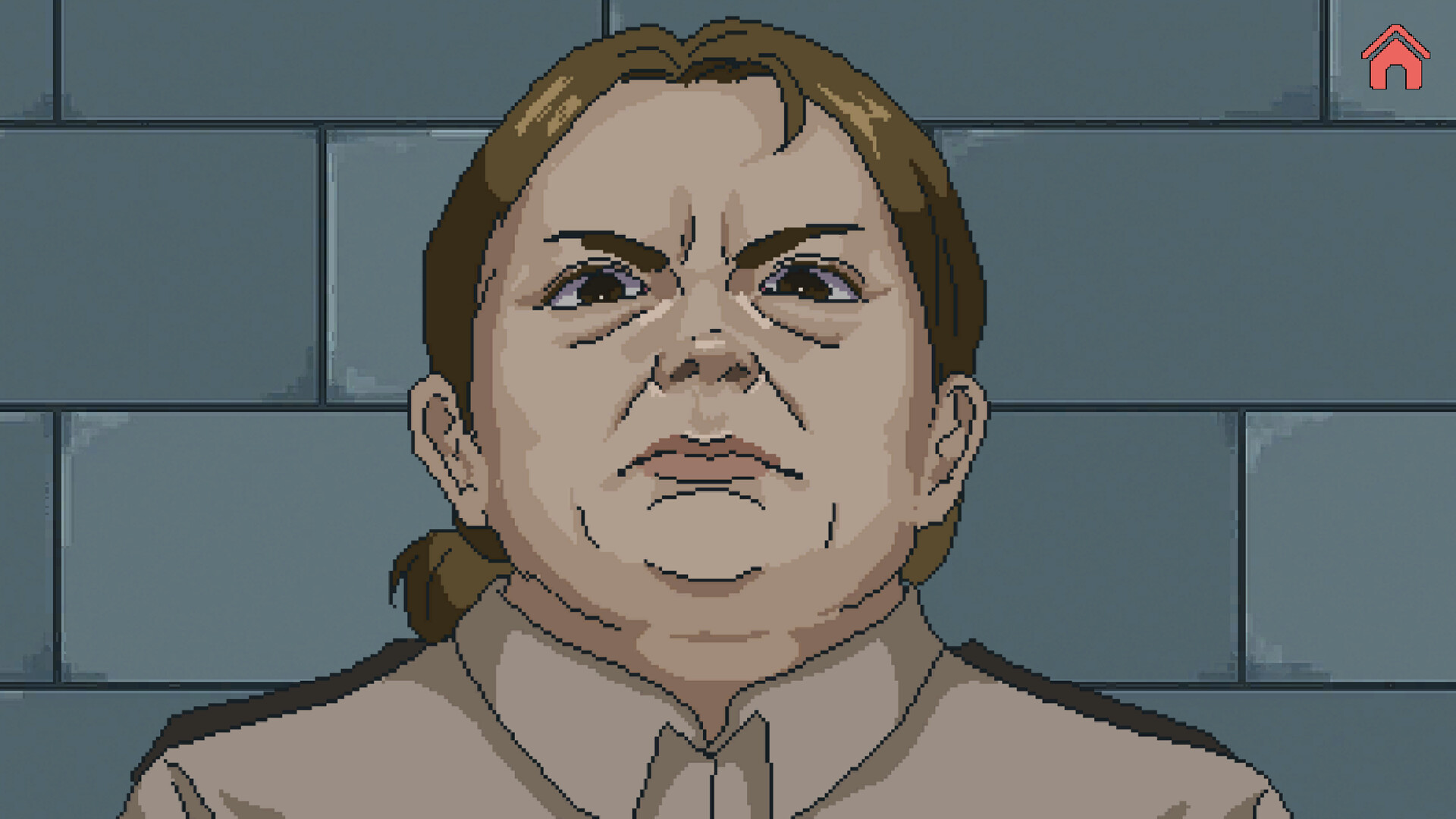
The objective behind creating Witness to Mass Incarceration was to reach a younger generation that increasingly receives information, builds emotional connections, and understands the world through games, streaming, and interactive media rather than traditional educational formats alone.
Mass incarceration affects an enormous number of Americans, yet many young people are never taught about the realities of the prison system in school. Nearly one in two American adults has had an immediate family member incarcerated for at least one night in jail or prison. Despite how widespread incarceration is, the human realities behind it often remain invisible.
My belief is that if people truly understood what incarceration feels like — the humiliation and long-term impact on human lives and families — they would be more willing to work alongside directly impacted people to reform and rethink the system.
The game was created to help younger audiences emotionally engage with issues they may know little about, including excessive sentencing, compassionate release for terminally ill incarcerated people, and the lasting consequences of incarceration long after someone comes home. For example, even as marijuana has become legalized in many states, there are still people in prison serving decades-long sentences connected to marijuana-related convictions.
Our goal is not only to educate players, but to inspire a new generation of socially conscious individuals who are emotionally connected to issues of justice, dignity, and human rights through immersive storytelling and gameplay.
Witness to Mass Incarceration is a small nonprofit organization that relies heavily on 70–90 interns and volunteers each year to help advance our work and mission. Interns work in teams across different projects. Some research formerly incarcerated-founded businesses and services for The MAP Project, while others work in journalism, social media, voter registration, or outreach.
Two years ago, we formed a small computer game team with the goal of telling my lived experience of incarceration through interactive storytelling. We began by identifying the different skills we would need to bring the game to life: a background artist, pixel artist, environmental artist, Unity developer, and a composer to create the musical theme and sound design.
I wrote the story based on my real experiences, and slowly each member of the team contributed her part to building the game. Every environment, movement, sound, and scene was discussed collectively. We worked collaboratively and listened carefully to each other’s opinions and creative ideas throughout the process.
One of the biggest creative challenges was building the game in 2D while still making the prison environment feel emotionally alive and immersive. The pacing of each scene, the movement through hallways, the lighting, and the environmental details all had to work together to recreate the emotional memory of incarceration. We spent a great deal of time thinking through every scene and how the player would emotionally experience each moment.
Authenticity was extremely important to us. I shared photographs connected to the prison, memories of the spaces, and emotional details from my incarceration. Since we could not access photographs from inside the prison itself, we relied on aerial views, exterior images, memory, and research to recreate the environment as truthfully as possible.
Our team met twice a week and worked around the realities of student life, including midterms, finals, jobs, homework, and family emergencies. Sometimes progress slowed because one part of the game could not move forward until another piece was completed. But despite these challenges, the team remained deeply committed to finishing the project.
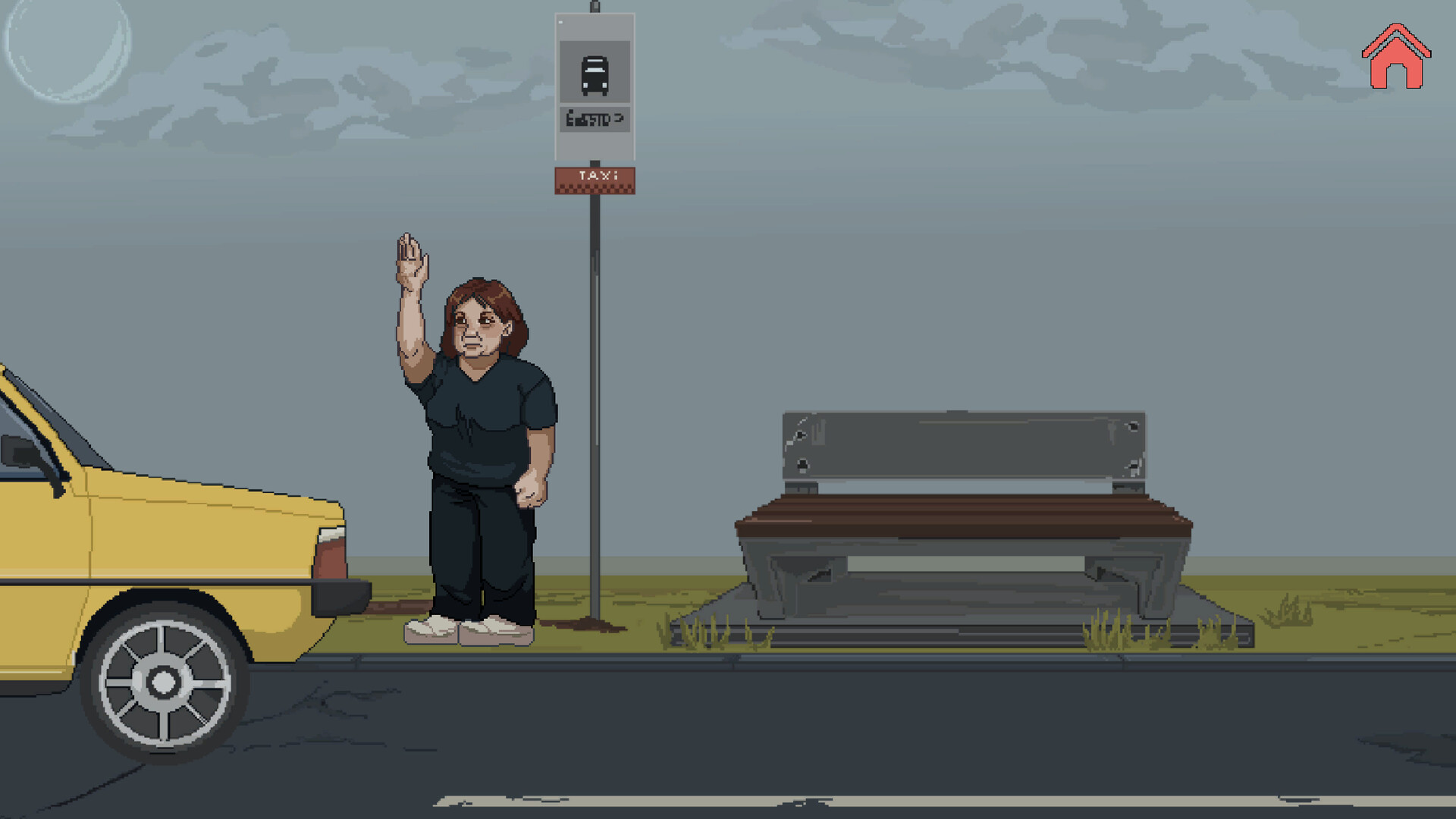
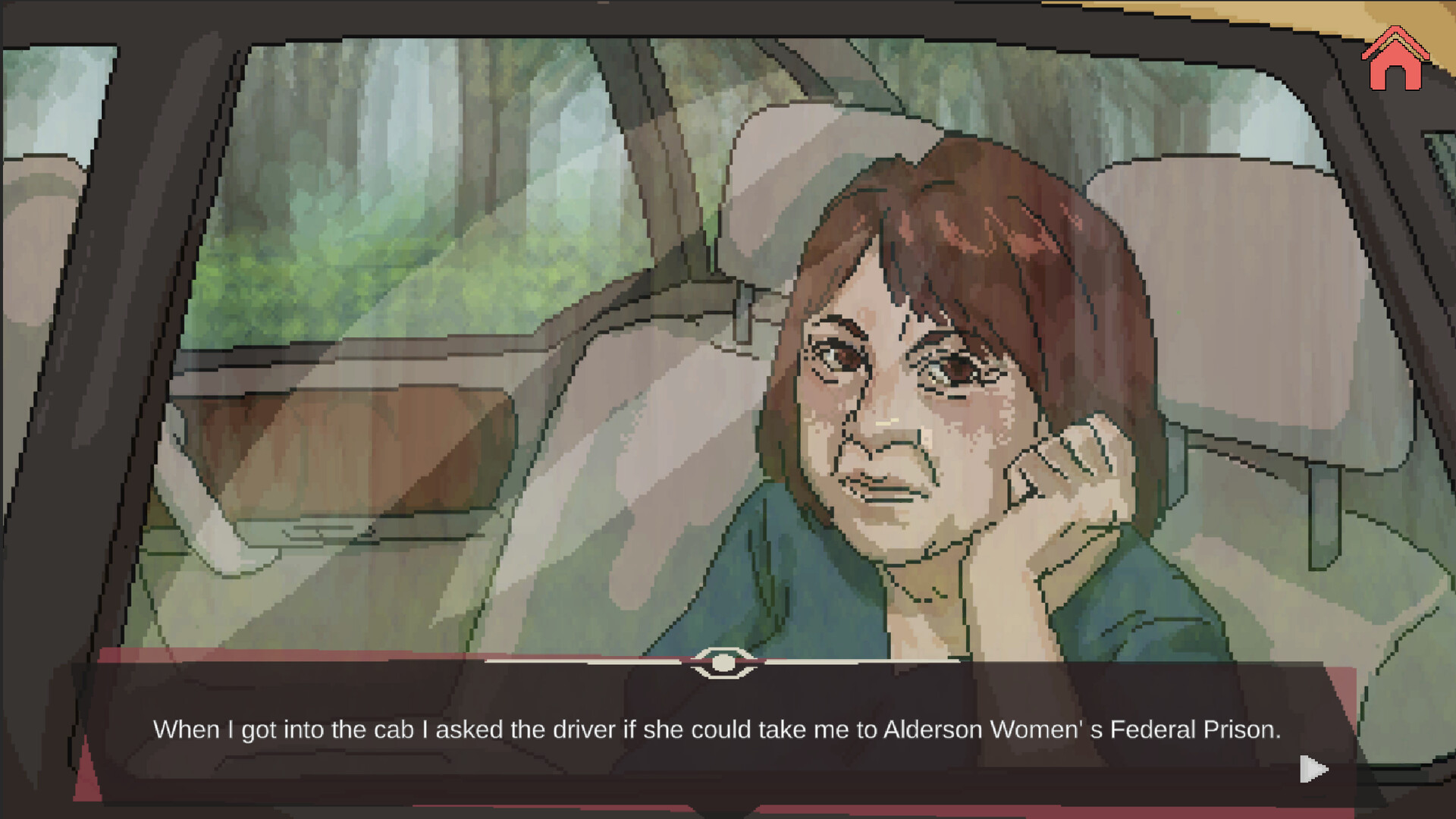
As the game developed and we saw its emotional potential, we pushed ourselves to improve it further. At one point, we decided to completely redesign the beginning of the game to include a backstory sequence of leaving home before arriving at prison because we felt the emotional transition mattered. We constantly challenged ourselves to make the experience stronger, more honest, and more emotionally immersive.
What makes this project unique is that it was built through lived experience, collaboration, and emotional authenticity rather than through a traditional game studio structure. Every creative decision was guided by the question: how do we help the player emotionally feel this experience in a truthful and human way?
Once we completed the game, we shared it with individuals from many different backgrounds and professions. The reaction was remarkably consistent: people described the experience as deeply disturbing. While difficult, this was exactly the response we hoped to create. Our goal was to achieve emotional engagment with the realities of incarceration.
We consider our efforts successful when people walk away understanding something they did not know before about incarceration, humiliation, and the human impact of the prison system. Success also means inspiring people to engage with these issues more deeply and, hopefully, to join efforts to advocate for reform and greater humanity for incarcerated and formerly incarcerated people.
Less than one month after publishing the game on Steam, Witness to Mass Incarceration received the 2026 Webby Award for Game: Social Impact and Public Service. For our small team of interns, volunteers, artists, and developers, this recognition was both unexpected and incredibly meaningful.
Winning the Webby Award validated that a small independent team telling an authentic lived experience through interactive storytelling could create work that resonated with people outside our immediate community. It gave our team confidence that games can be a powerful tool for social impact, emotional education, and public engagement.
The recognition has encouraged us to continue developing the series, with plans to create five additional chapters over the next year as funding becomes available.