In a sports-obsessed city like Philadelphia, a championship run unites everyone. The Eagles’ 2025 Super Bowl win sparked a surge of civic pride and shared identity across neighborhoods, income levels and walks of life.
Our challenge: How do we sustain that feeling of civic pride after the confetti has fallen?
We know residents are Philadelphia’s most powerful ambassadors. Research shows the top reason people visit is because someone they trust (i.e. friends or family) spoke positively about the city.
If residents feel proud every day, they naturally advocate for it.
But Philadelphia is a city of neighborhoods, each with its own identity. A broad civic message wouldn’t resonate everywhere — and in some places, it could miss the mark entirely.
We needed a data-led strategy to understand how civic pride varies across neighborhoods and to develop a strategy to speak to residents in ways that feel authentic and relevant to them.
Our goals for this research-driven campaign:
By pairing quantitative stress and engagement data with qualitative neighborhood insights, we aimed to create a civic pride framework rooted in evidence and built for long-term impact.
Our civic pride strategy combined quantitative data to identify where engagement needed support and qualitative insights to understand how to speak to each neighborhood authentically.
We began with baseline Ipsos research that revealed a disconnect: Only 50% of Philadelphians felt emotionally invested in the city, and just 35% believed the city reciprocated that investment.
To localize that insight, we turned to the City of Philadelphia’s Open Data Stress Index, which measures neighborhood-level stress using indicators such as health, crime, poverty and income.
Academic research shows an inverse relationship between stress and civic engagement: the higher the stress, the lower the connection.
We aggregated block-level data to the neighborhood level and normalized it into a five-point civic engagement scale, categorizing all 158 neighborhoods as one of the following:
To deepen our understanding, we partnered with StratLab to conduct focus groups across three engagement tiers.
Key findings from those focus groups included the following:
This pairing of quantitative segmentation and qualitative nuance informed a messaging matrix that aligned tone, content and proof points with each engagement level.
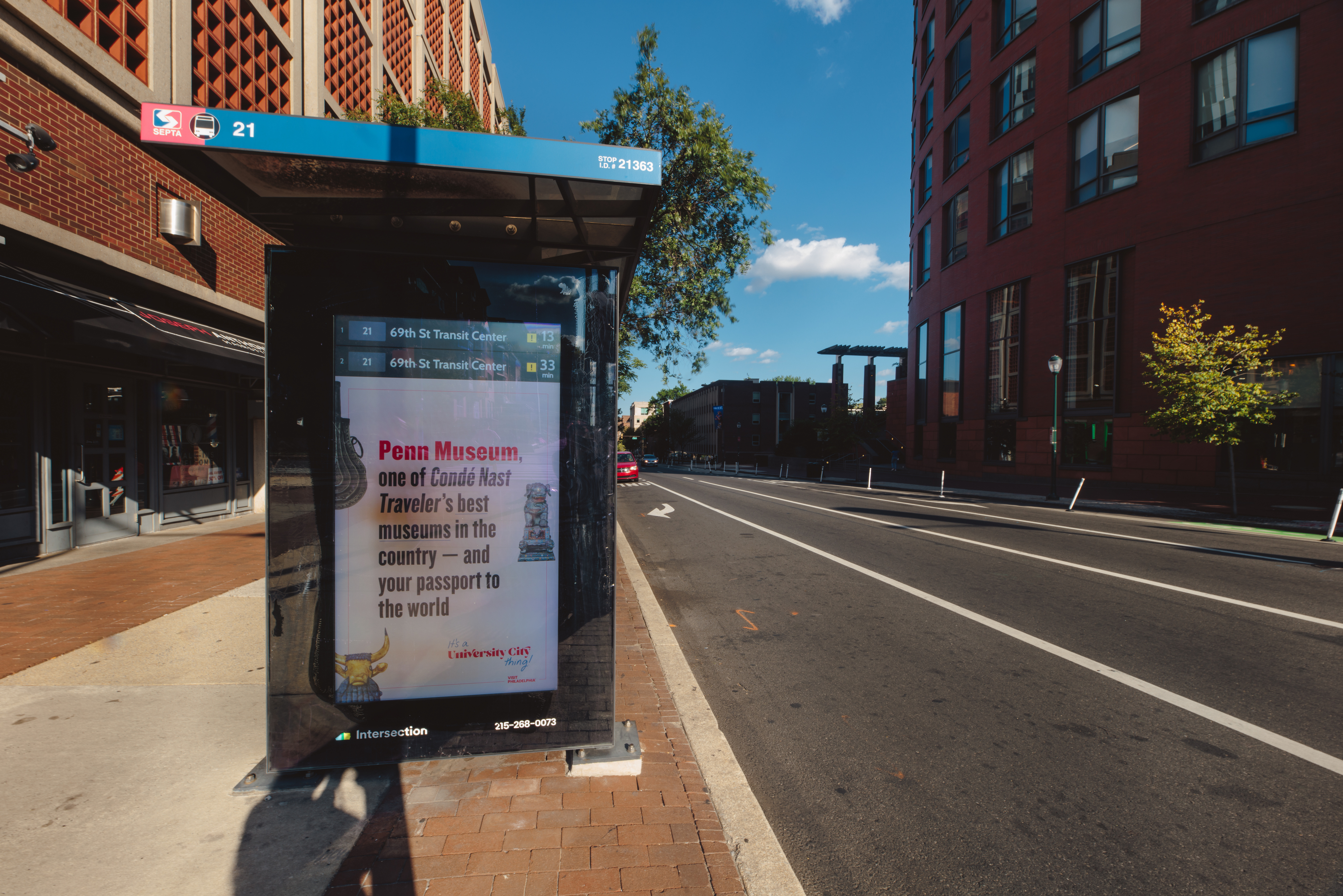
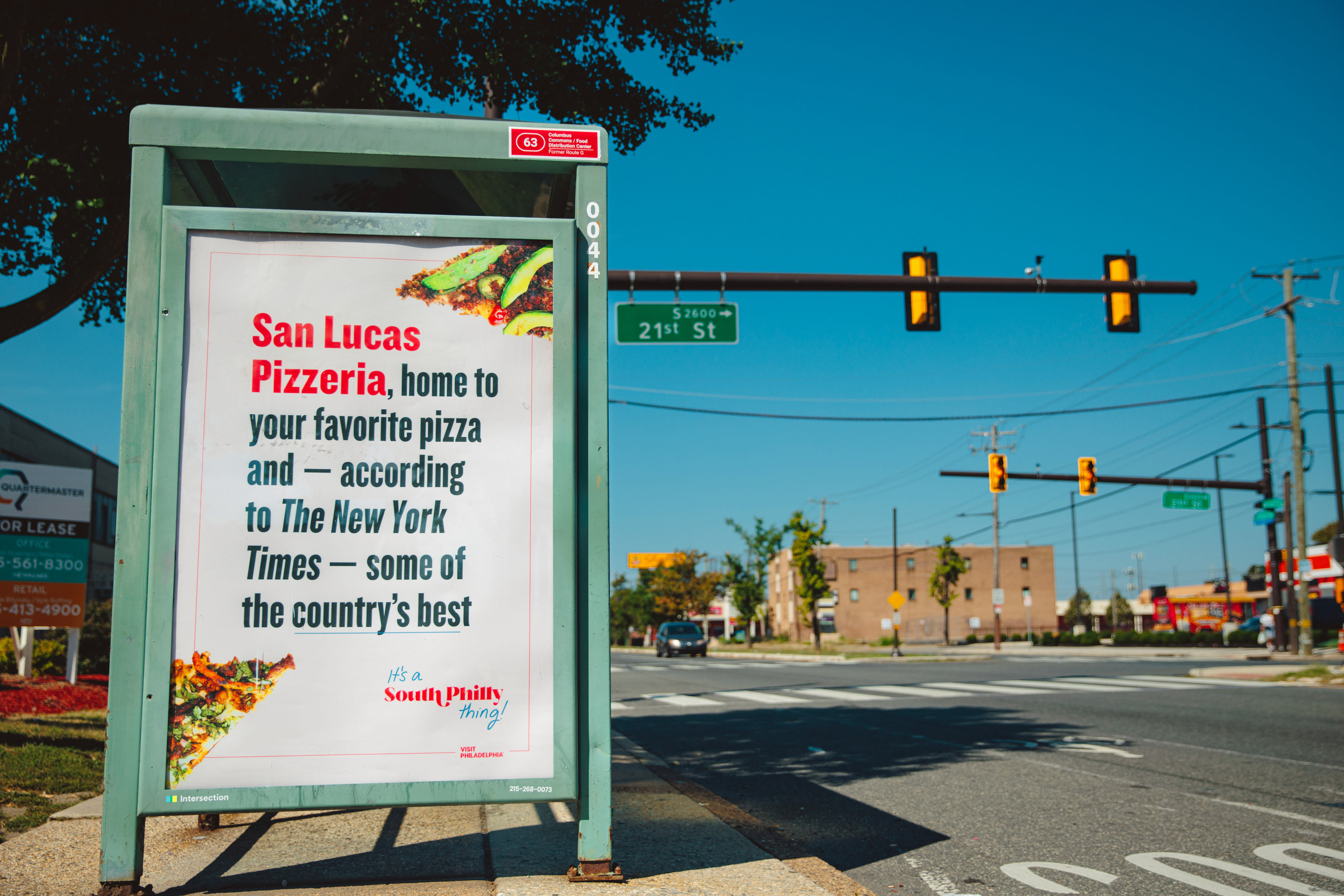
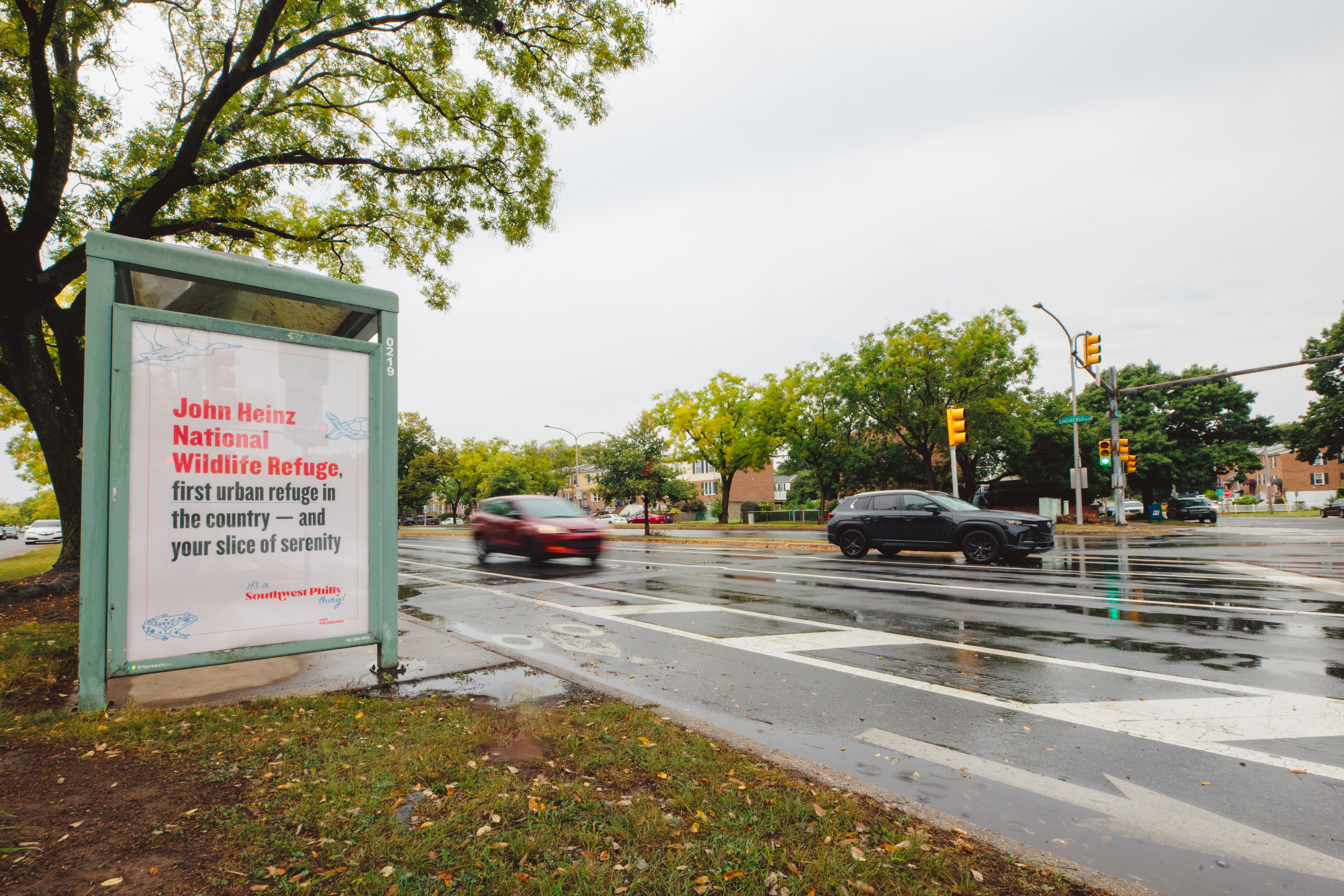
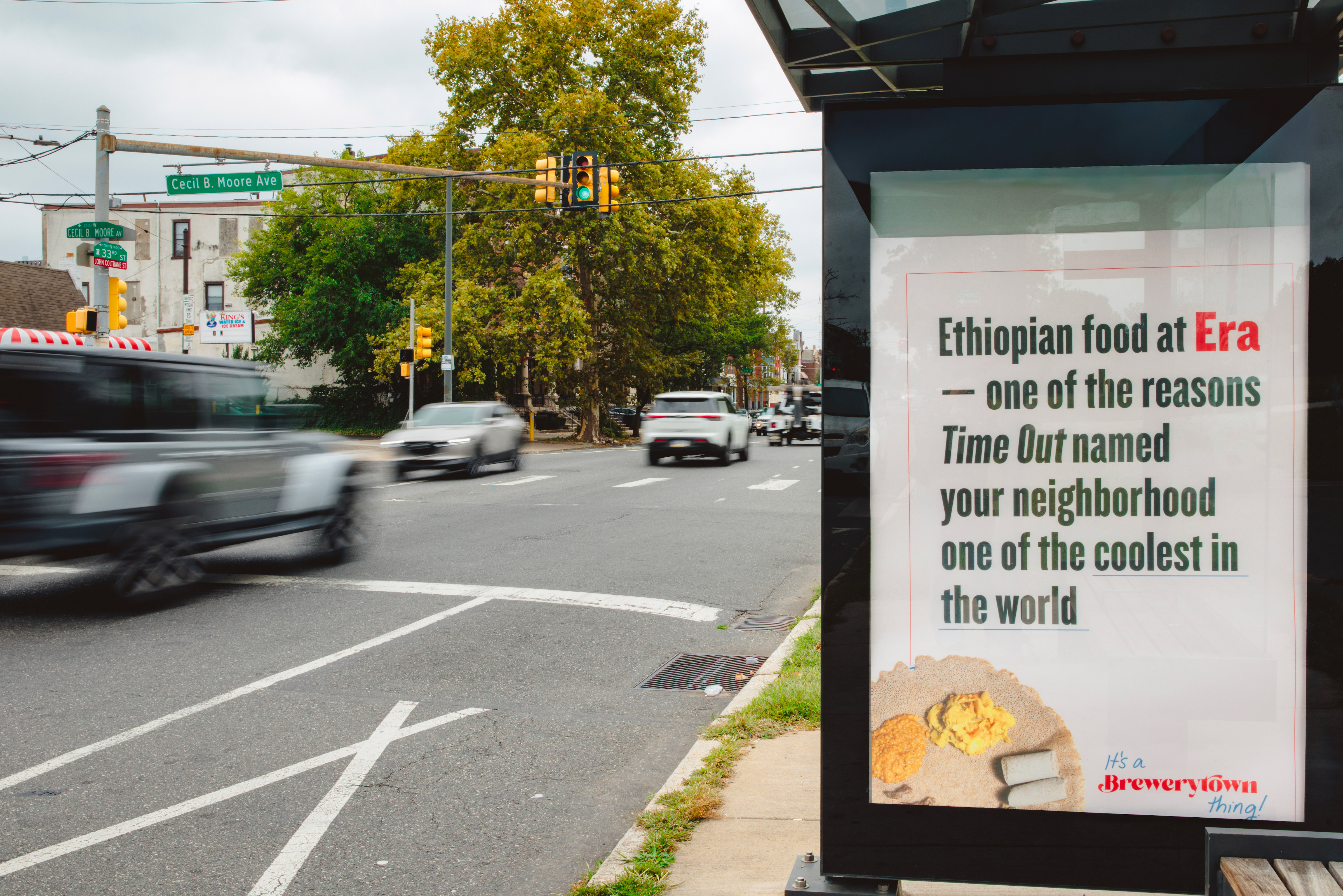
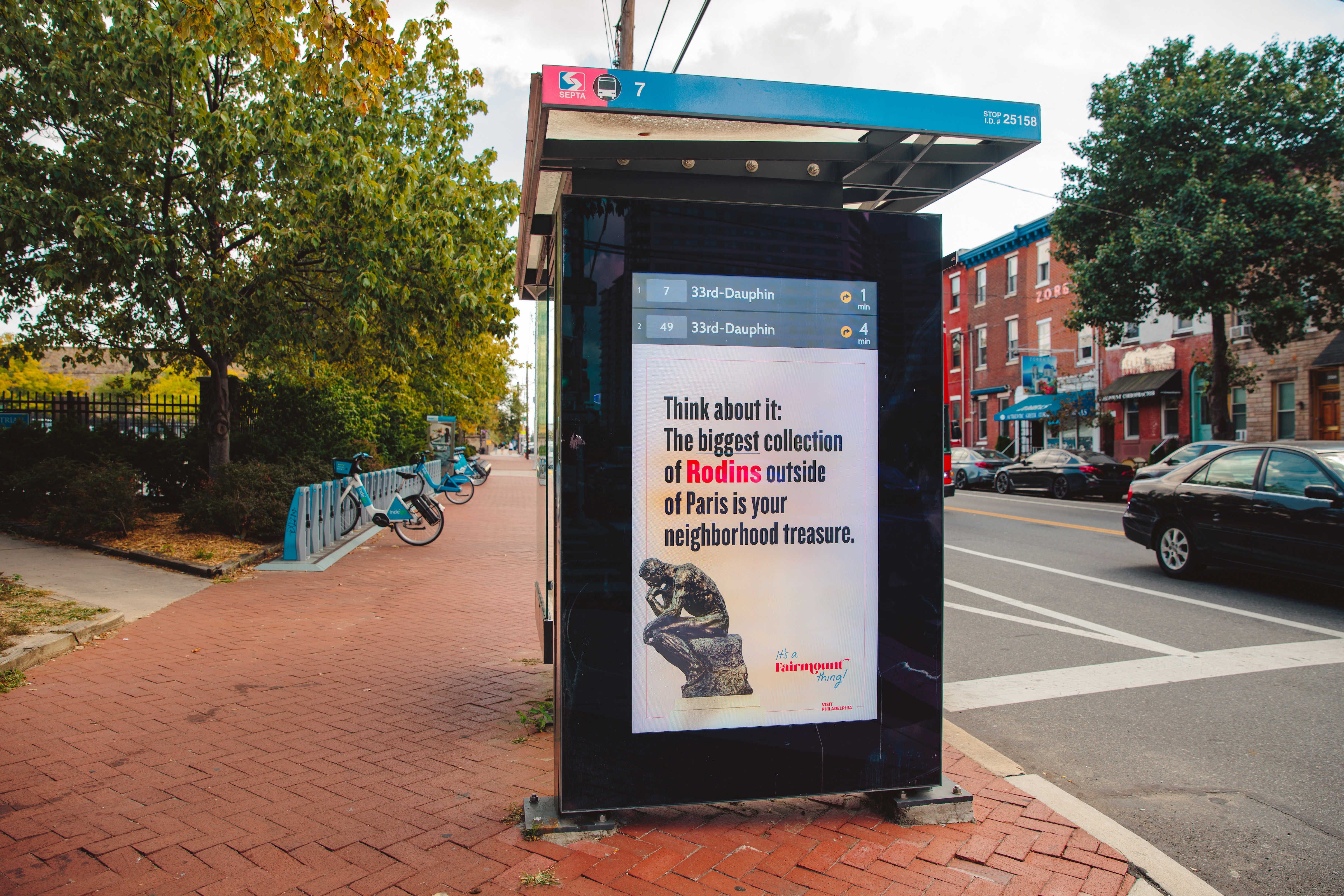
Implementation followed a layered, hyper-local approach. Working with Harmelin Media, we placed messaging across channels aligned with daily media habits, including:
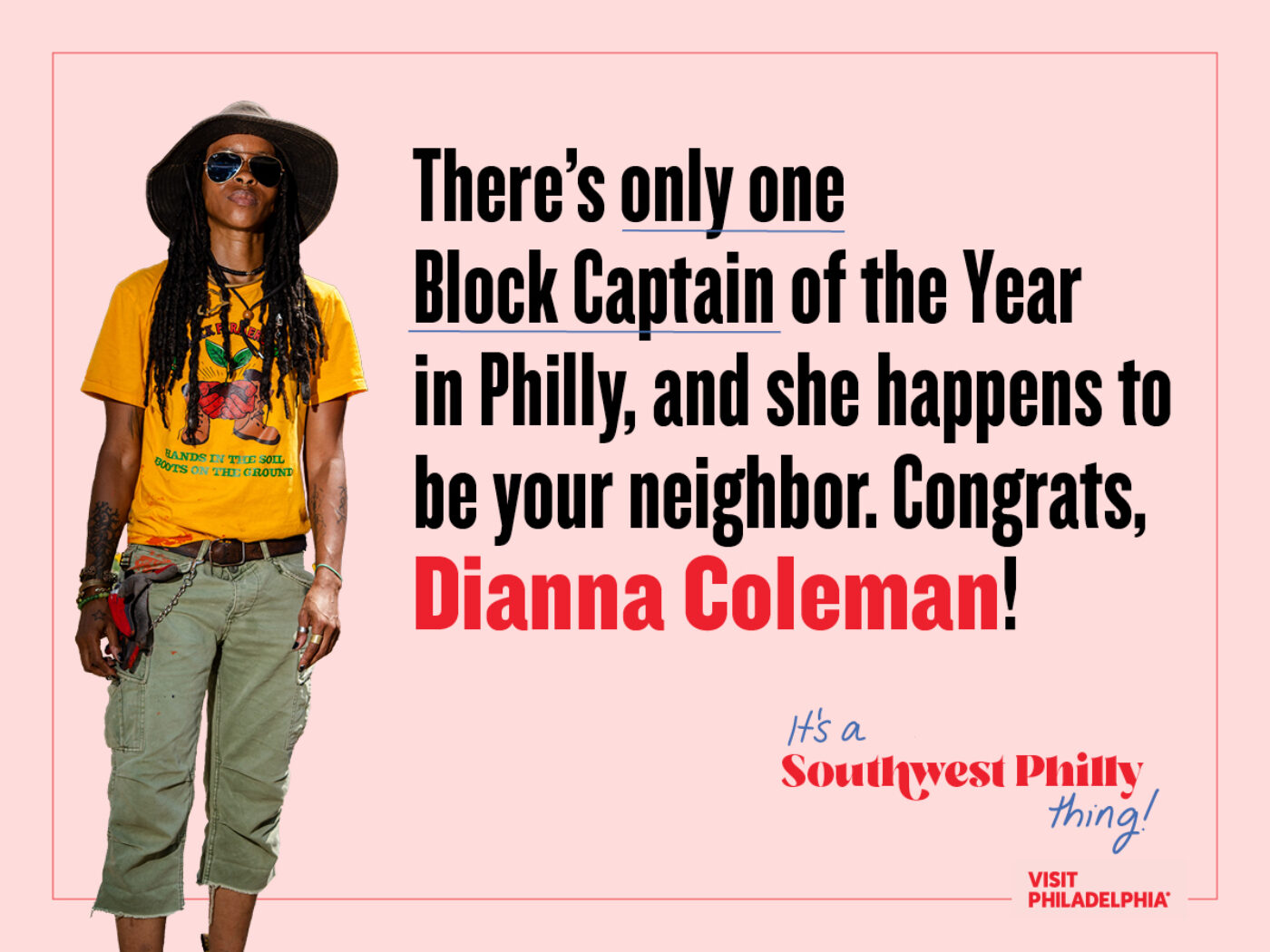
Messaging varied by segment:
Neighborhood-level advertising requires collaboration for a number of reasons.
Neighborhood boundaries are fluid, and points of pride can shift block by block. We worked closely with staff members and community partners to ensure the tone and placement of each message felt authentic and respectful.
The result was a scalable, data-driven civic pride framework designed to evolve with ongoing measurement.
Though still in its early stages, the campaign has attracted media attention and shown measurable shifts in sentiment.
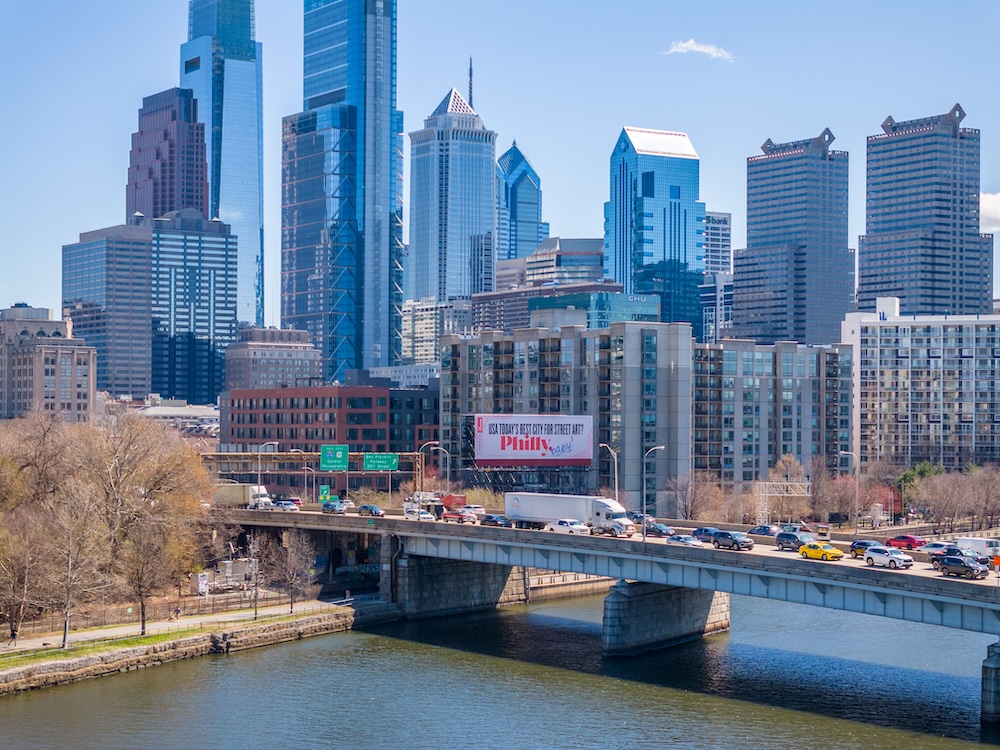
The Philadelphia Citizen highlighted our civic pride billboard on I-676 — regularly updated to celebrate milestones from the Super Bowl win to The Wilma Theater’s Tony Award for Best Regional Theater — describing it as a “civic headline” for the city.
Citywide optimism appears to be rising. A 2025 Pew study showed that 59% of residents now believe Philadelphia is headed in the right direction — a post-pandemic high.
While we cannot attribute that shift solely to this campaign, early indicators suggest momentum is building.
The strategy remains grounded in measurement.
In September 2025, we conducted our first civic pride check-in study with Ipsos to assess sentiment shifts from our baseline study conducted in August 2024.
Those results showed:
Two additional evaluations are scheduled over the following year to determine whether neighborhoods are progressing from one engagement tier to the next.
This is not a one-time activation or advertising buy. It is an ongoing, data-led investment in resident pride that is designed to strengthen advocacy and reshape perceptions over time.