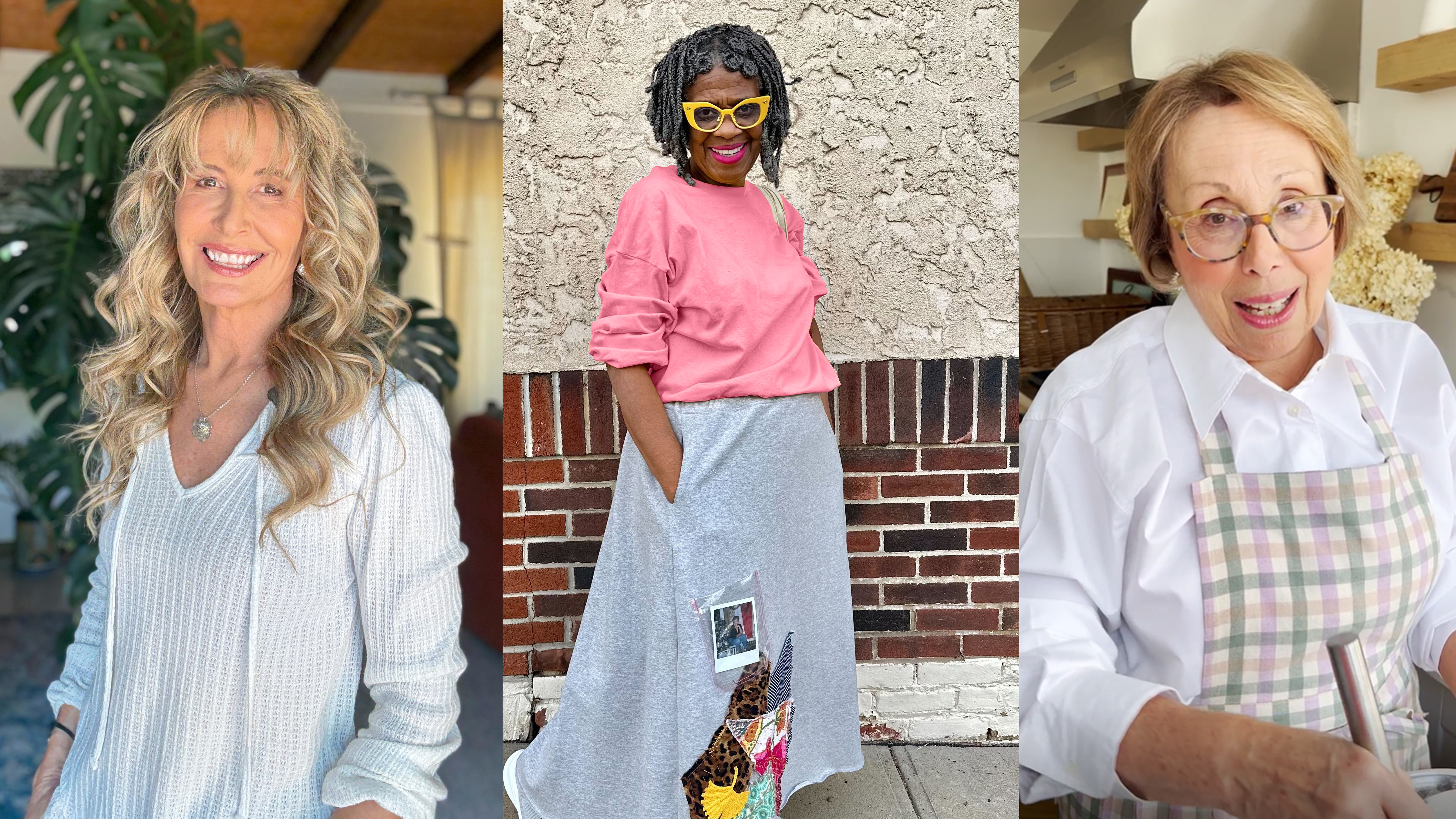
The idea behind the work was to challenge deep‑rooted stigma surrounding Alzheimer’s disease by elevating the voices of older adults - specifically, the rising group of “grandfluencers” who are reshaping digital culture. Rather than relying on fear‑based messaging or traditional medical spokespeople, the campaign set out to reframe conversations about memory and thinking issues through relatable creators who understand the nuances of aging and brain health.
Alzheimer’s is often perceived as a condition that affects only the very old, which delays early diagnosis and discourages open dialogue. Because treatments are most effective earlier in the disease process, Lilly aimed to break through these misconceptions and encourage adults in their 60s and beyond to recognize changes, talk about them, and take action.
Research showed that people respond more positively to approachable language like “memory and thinking issues” and to messages centered on empowerment, purpose, and family connection. It also revealed that older adults are increasingly active online, using their platforms to share personal experiences and build loyal communities. This created an opportunity: by putting older creators front and center, the campaign could spark honest discussion in a way traditional advertising could not.
The goal was threefold: shift cultural perceptions of memory and thinking issues, introduce the importance of amyloid in early diagnosis, and motivate older adults to speak with their doctors. Ultimately, the work aimed to reduce stigma and make brain health a natural, culturally relevant conversation - not a taboo one.
The strategy centered on older influencers whose personal experiences with Alzheimer’s brought both credibility and emotional depth to the campaign. Working together, Lilly and Porter Novelli designed the program to connect across “four lanes of relatability”: brain health, lifestyle, meaningful connection to memory and thinking issues, and self-health/advocacy. This multifaceted approach ensured the content was not only informative, but also empathetic, validating older adults’ experiences while empowering them to speak up with their healthcare providers.
By creatively blending elements of fashion, food, and bilingual storytelling, the passions of our influencers, the campaign wove memory and thinking issues into everyday cultural conversations. The game changer? Choosing influencers who mirrored the audience itself, rather than chasing the latest trends, brought genuine representation and fresh authenticity to health communications, making it easier for everyone to see themselves in the story.
Three grandfluencers became the heart and soul of the campaign. Arlinda, a fashion designer who lost both her mother and grandmother to Alzheimer’s, honored their legacy by designing a “Memory Skirt” inspired by a patient story and sharing her own experiences. Barbara, a cookbook author and beloved internet personality known as “Brunch with Babs,” brought warmth and wisdom as she shared family recipes and tips in memory of her mother, who had Alzheimer’s disease. Lorraine, a bilingual writer and wellness expert, created content in both English and Spanish, bridging language gaps for underserved communities.
The campaign came to life across Instagram and Facebook, amplified with strategic paid media placements and proactive earned media outreach. Arlinda also joined Lilly executives at the Women’s Health Lab, extending reach beyond digital platforms. The success of this campaign paved the way for new initiatives including a collaboration with Julianne Moore, launched on 9/9, further elevating the conversation around brain health.
The campaign’s impact was immediate and impressive. Arlinda’s first post alone generated over 4,000 organic views and 22 comments in its first two weeks, while she also appeared at Hearst’s Women’s Health Lab alongside company leadership. Barbara secured national consumer media coverage in outlets including Forbes, Women’s World, Parade and OK! Magazine, while Lorraine secured media placements in Spanish-speaking outlets Mitú, El Diario, and La Opinión (along with paid social in both languages).
To date, the campaign has delivered nearly 4.3M organic impressions and garnered a 3.94% average engagement rate exceeding internal and industry benchmarks. Paid results also showed exponential success, generating a click-through rate (0.73%) and video view rate (66.4%) over three times anticipated benchmarks while generating over 22.5M impressions. Earned coverage spanned 14 lifestyle and healthcare outlets, with influencers' stories resonating authentically among older audiences. By activating our influencers digitally and in-person, we were able to quickly establish credibility and drive impact with our target audience.
Internally, this marked Lilly’s first influencer program in Alzheimer’s, unlocking over $1.5M in new budgets and paving the way for a celebrity-led campaign with Julianne Moore. Since launching in September, Julianne’s campaign has generated over 9B+ impressions across 16 different activation points, ranging from owned and corporate social content, TV spots, and display ads, to earned media appearances in People and The Today Show and an appearance at The Atlantic Festival.