For too long, the travel industry has excluded millions of prospective customers.
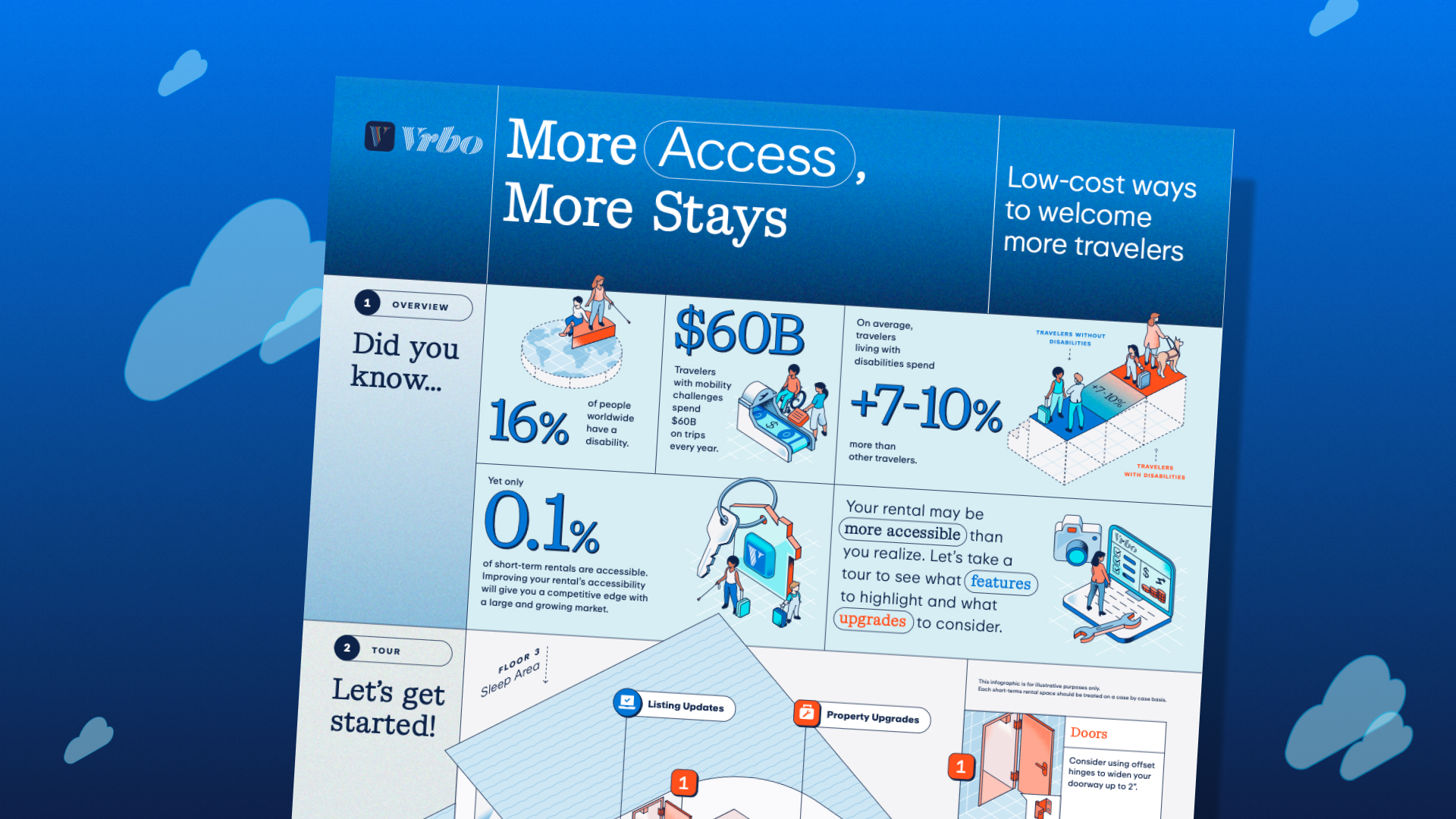
With 16% of the global population living with a disability — and Vrbo’s average booking including five guests — accessibility is a necessity. Yet fewer than 1% of Vrbo listings met accessibility criteria, leaving travelers underserved and hosts unaware of the opportunity.
Vrbo set out to reframe accessibility from a compliance issue to a cultural and economic imperative.
The goal was threefold:
Vrbo was committed to shifting behavior at scale, empowering everyday homeowners to participate in a more inclusive travel ecosystem.
Rather than launching a traditional campaign, Vrbo built an educational movement.
Accessibility often fails because it feels overwhelming or expensive. Our strategy dismantled that fear.
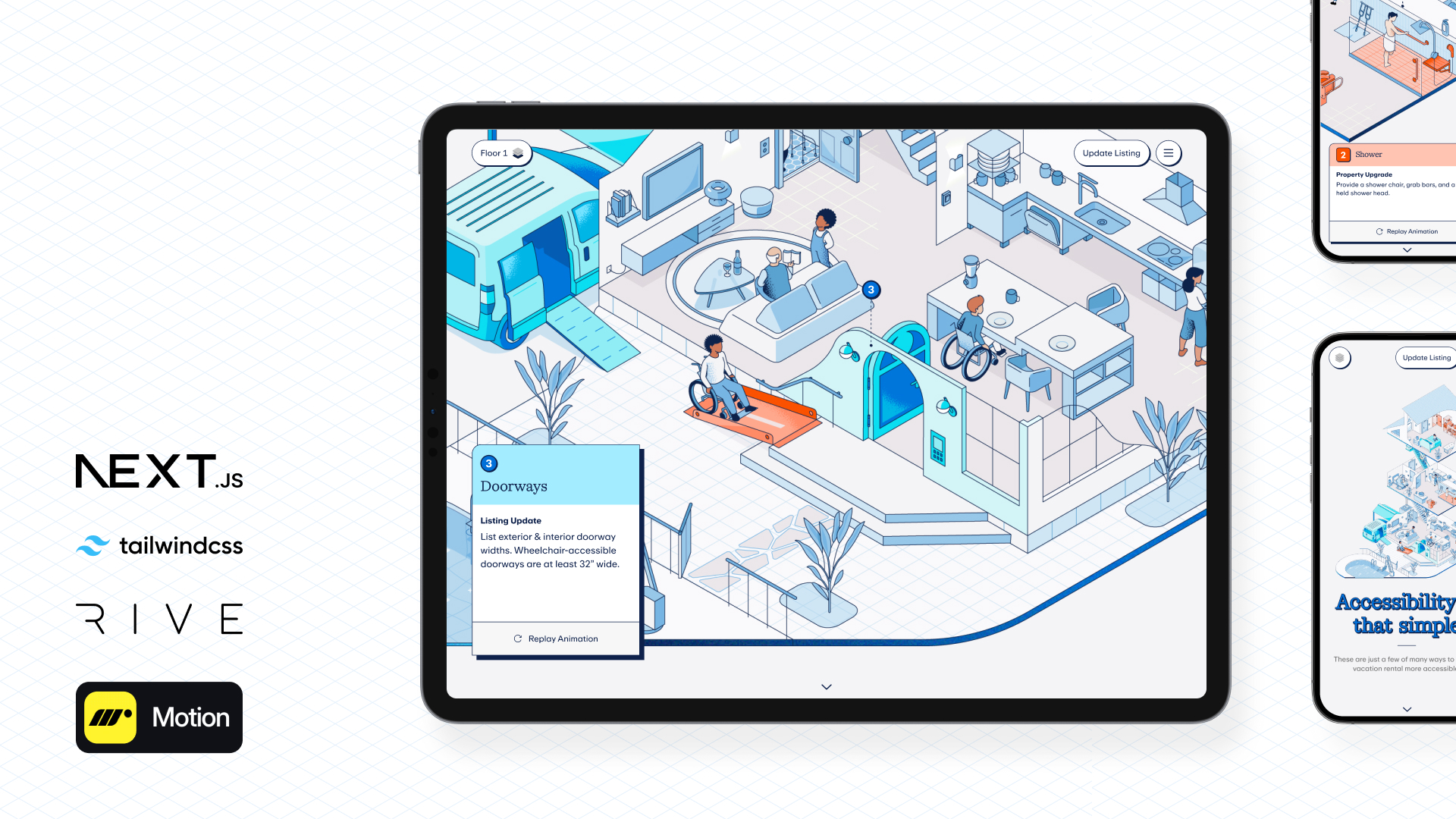
We converted our quantitative and qualitative research into an immersive, scroll-driven digital home, allowing hosts to virtually walk through a property and learn how they can integrate tangible upgrades like:
This is activism through clarity, making the invisible visible.
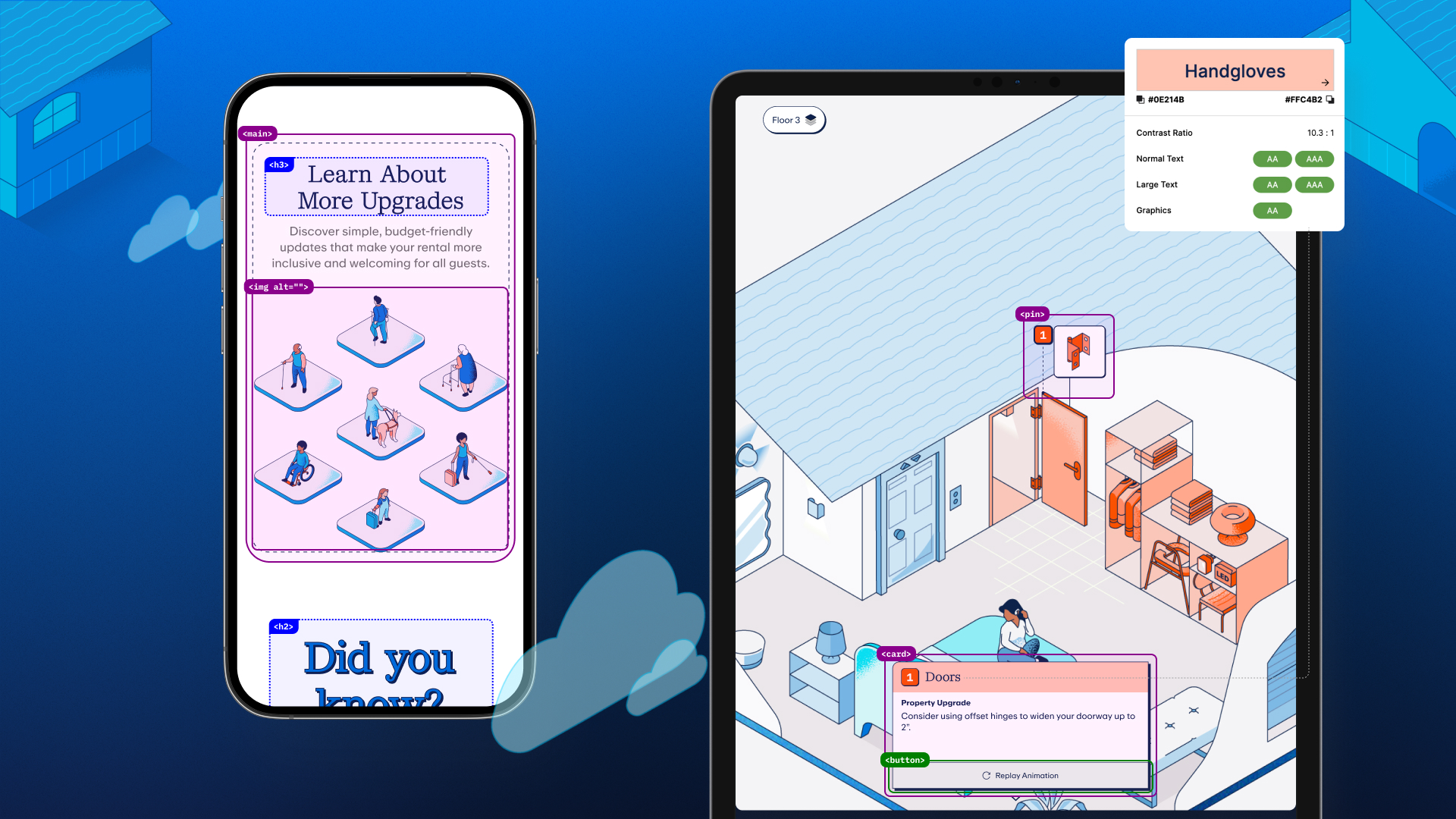
The experience itself adhered to rigorous a11y standards:
Given the message is inclusion, the medium had to bear that out.
Finally, Vrbo partnered with Alec, an architect and Vrbo host who redesigned his family’s beach home to include accessible features.
His story reframed accessibility to center on hospitality, as opposed to burden or regulation.
In one production day, we built a cross-channel content ecosystem:
This multiformat distribution ensured the message reached hosts to demonstrate an observable change in behavior and guests to nurture confidence and trust.
The campaign successfully repositioned accessibility as a moral imperative and a market opportunity. Publicly measurable signals that support this narrative include:
Market Momentum
Platform-Level Accessibility Signals
Many inclusivity campaigns have good intent and measure success by awareness raised. For Vrbo, beyond raising awareness they launched a layered, powerful initiative that tangibly lowered barriers. It chose to show, rather than tell, how small upgrades can compound into profound systemic impact.