One half of the small business community—the small businesses that sell on Amazon—alreadyknew Amazon Ads as a reliable tool for reach and growth. The service-based small businesses that don’t sell on Amazon? They had no idea.
These entrepreneurs brought their priors to ad-buying; they mistakenly assumed our ads were only available for on-Amazon businesses. It was a major awareness issue, one the brand would have to address if they wanted to keep growing.
That’s because these neighborhood cafes, salons, and auto shops represented the last untapped market for Amazon Ads; this was a growing segment that was utterly dominated by Meta and Google.
If we could connect with this cohort of local business owners, the brand would have presence in every part of the ads market.
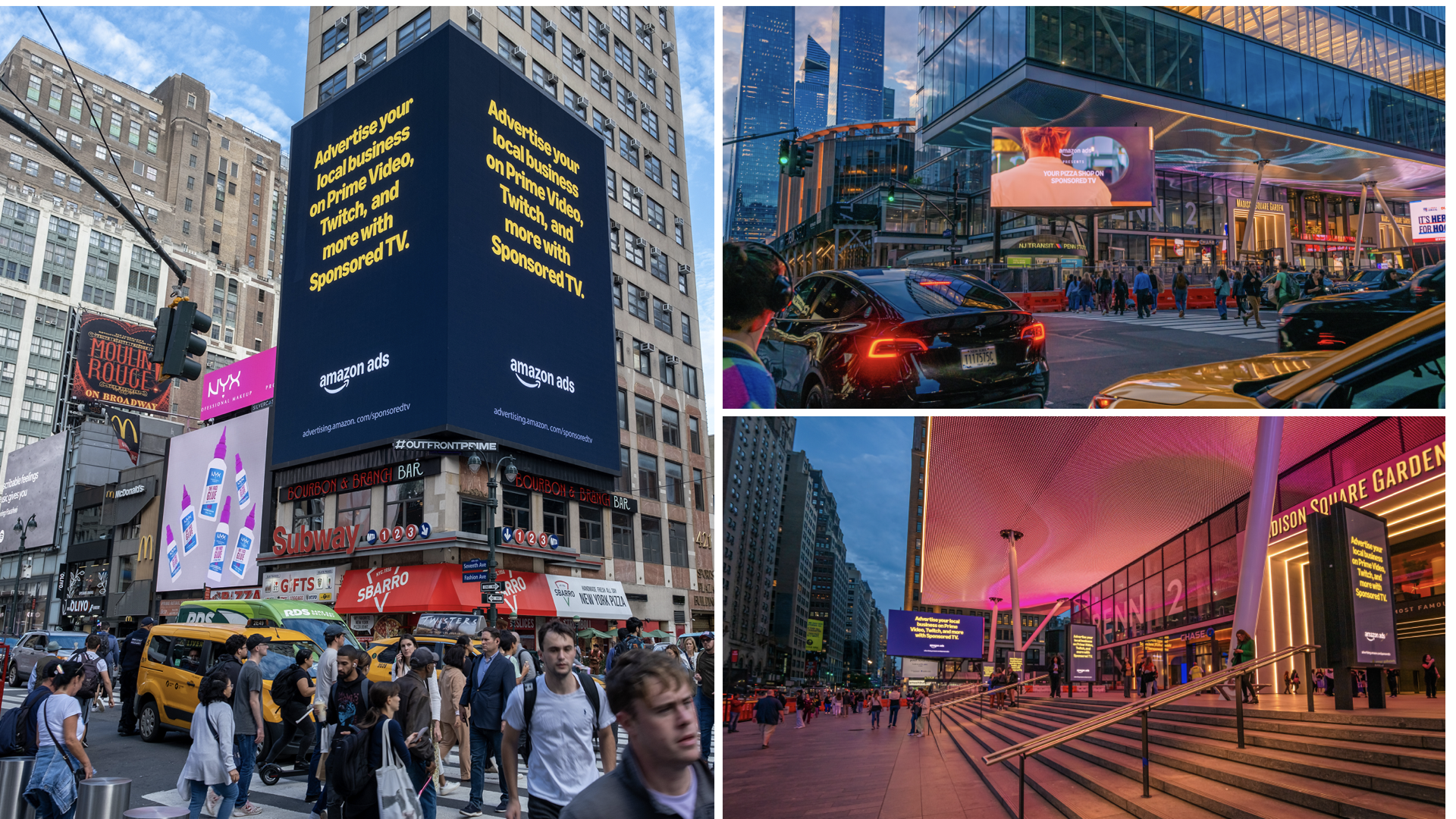
So we set out to shatter the perception of Amazon Ads as an e-commerce only solution, and show these SMBs that Amazon has exactly what they want: eager customers who are ready to go from our store to their door.
Amazon Ads needed to convince business owners who don’t sell on Amazon.com that it was actually a valuable place to reach customers. We dug deep into internal data looking for a dynamic story to set us apart from competitors Google and Meta.
The answer was illuminating: On Amazon, online purchases often lead to offline ones. Think of it like this: customers who buy running shoes might soon buy gym memberships.
Our campaign strategy focused on reaching “ready” customers, those primed to go from Amazon’s dot-com store to your door. Along the way, we’d show SMBs that online shopping didn’t threaten their local business…but led straight to it.
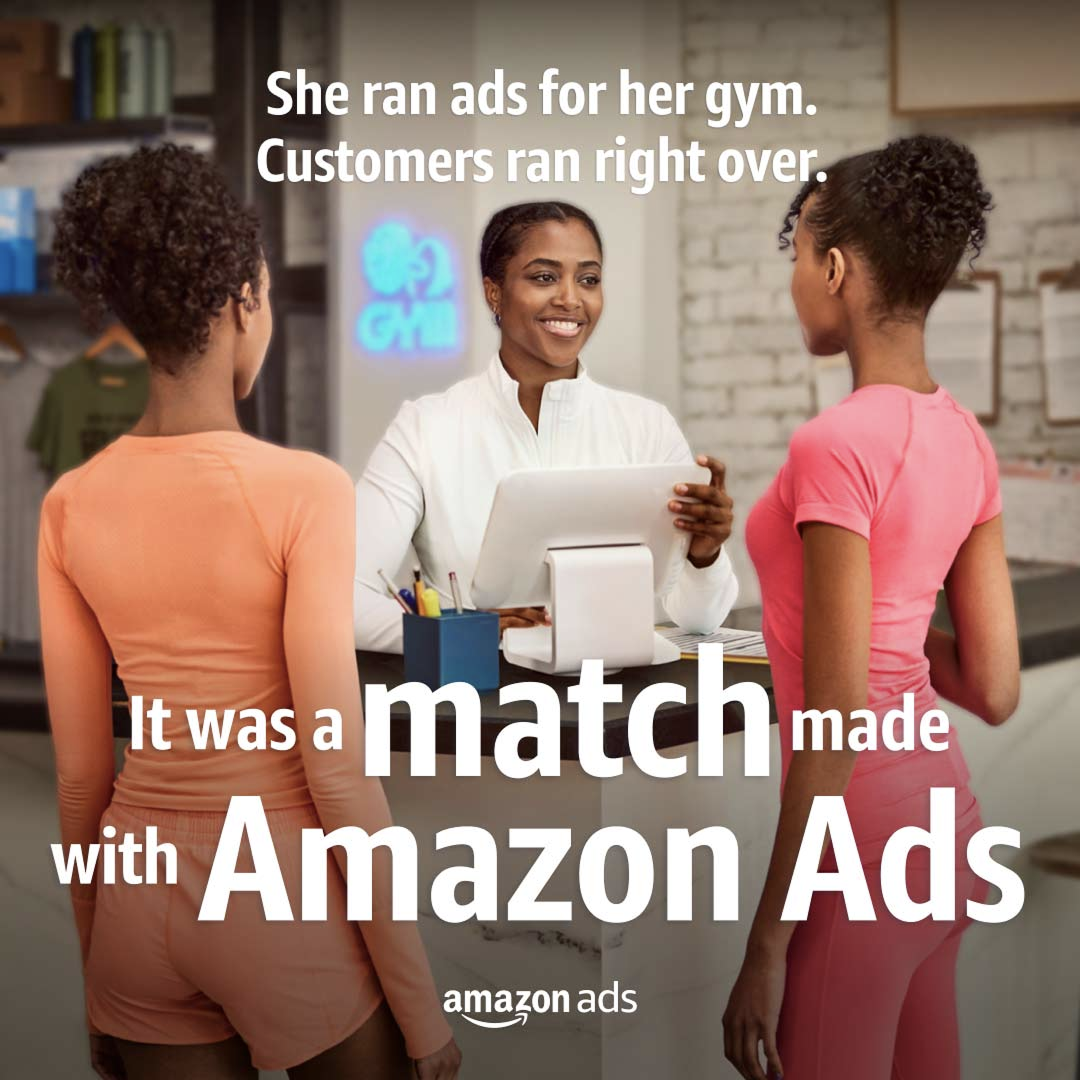
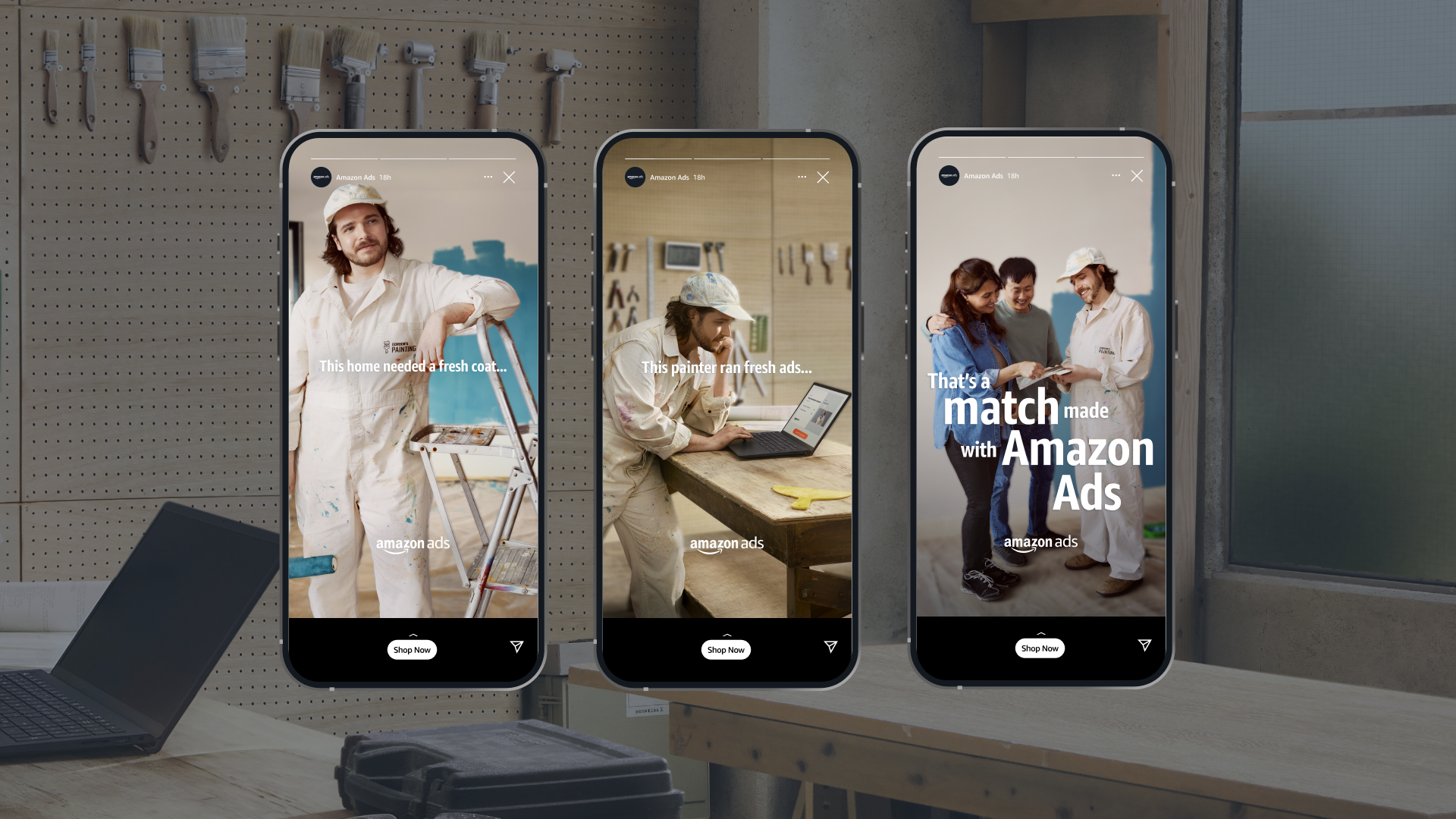
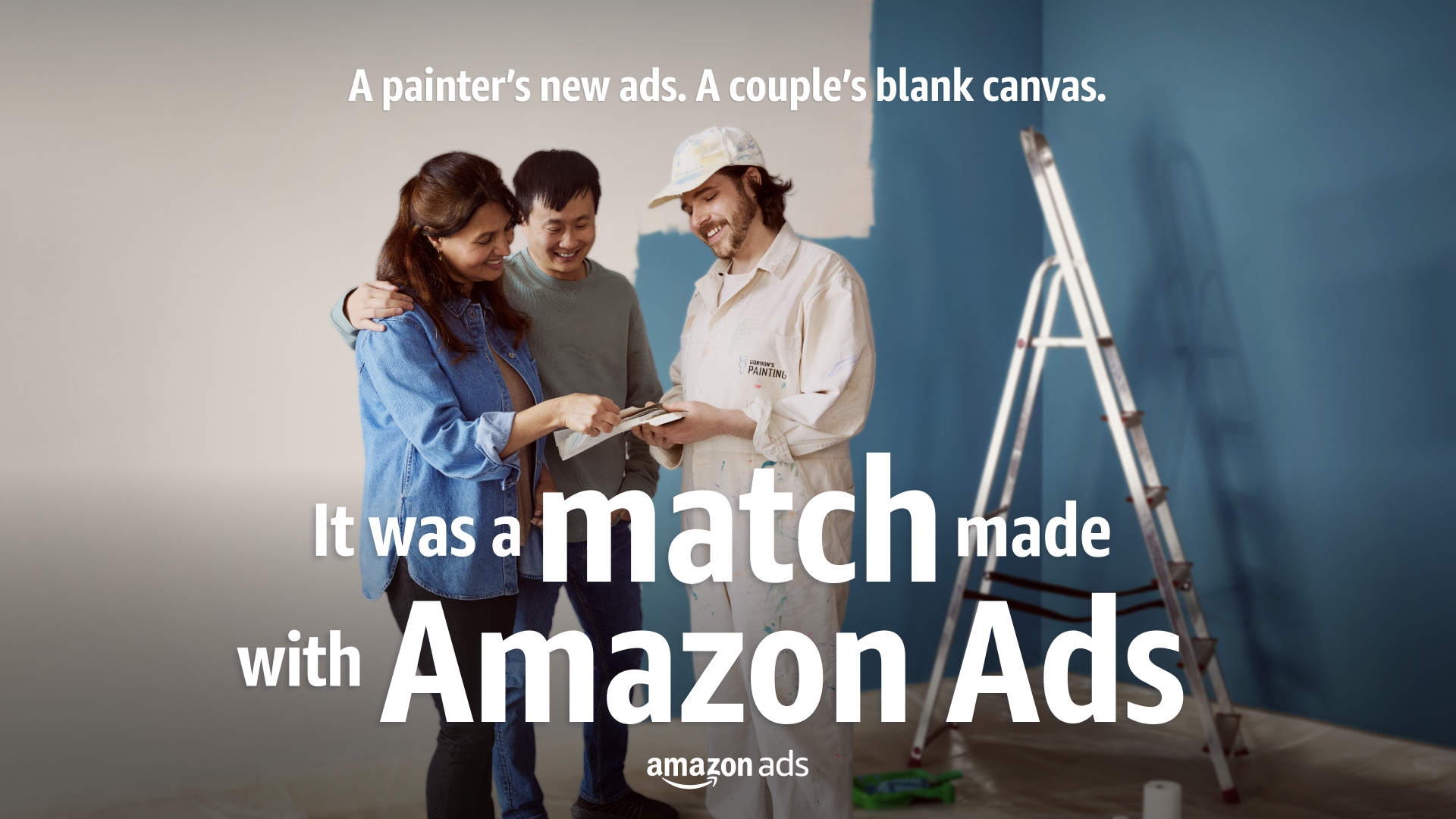
‘Matches Are Made with Amazon Ads’ — our campaign was crafted to prove that our ads connect your local business with the customers who want your business as much as you want theirs.
To give that story a strong hook, we used an unbeatable one. Taking the greatest anthem about desire ever, Cheap Trick’s “I Want You to Want Me,” we flipped that song of longing into the story of mutual want and anticipation between local business owners and Amazon customers.
This undercurrent of “mutual want” ran through the whole campaign, depicting Amazon.con customers as uniquely ready to connect with local businesses. It turned the complex signals and rich data that govern our ad targeting into something more emotional, more relatable, and more appealing to business owners (who didn’t have time to mess with complex ad solutions, and who want to know their ads are reaching receptive customers).
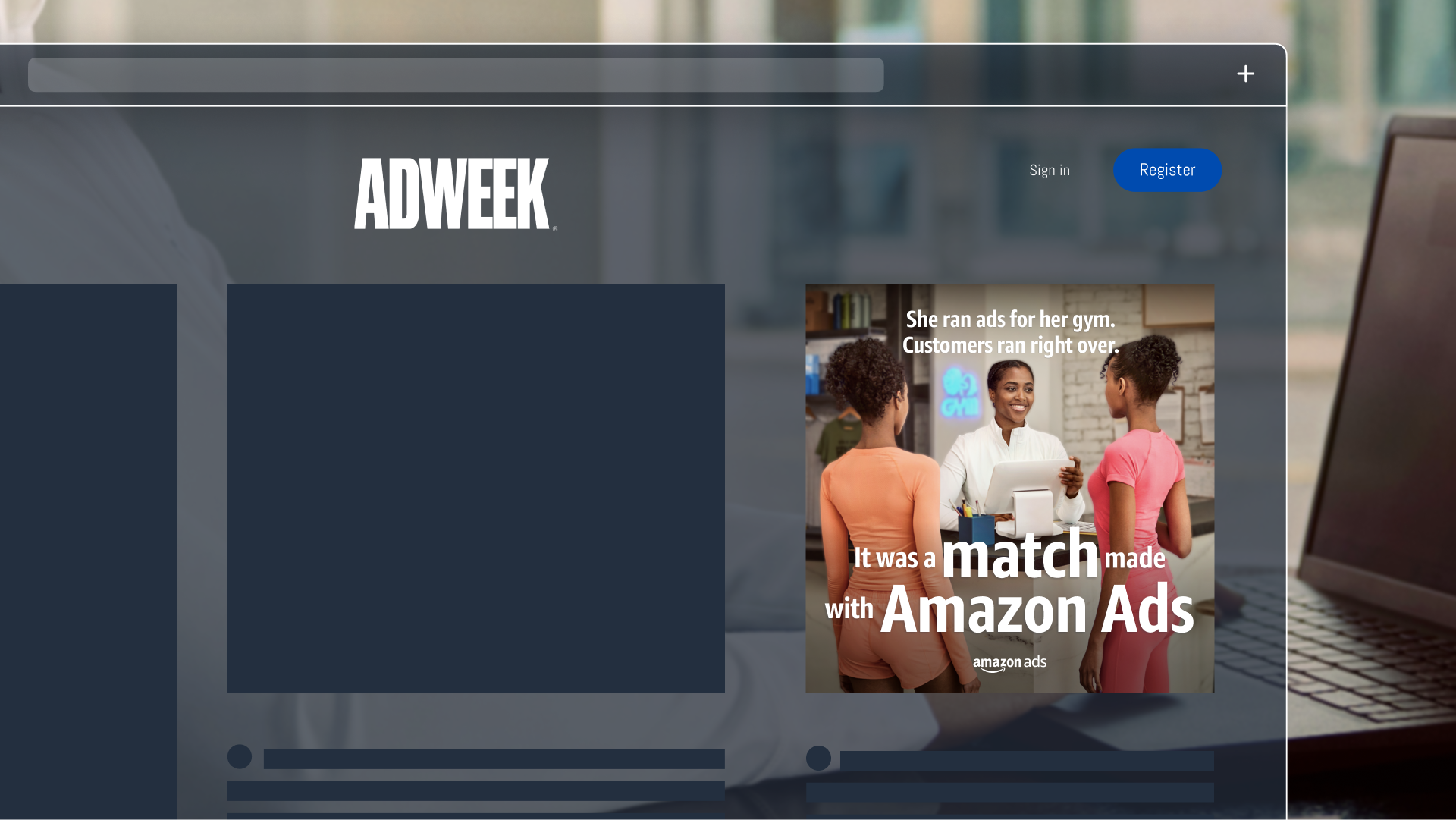
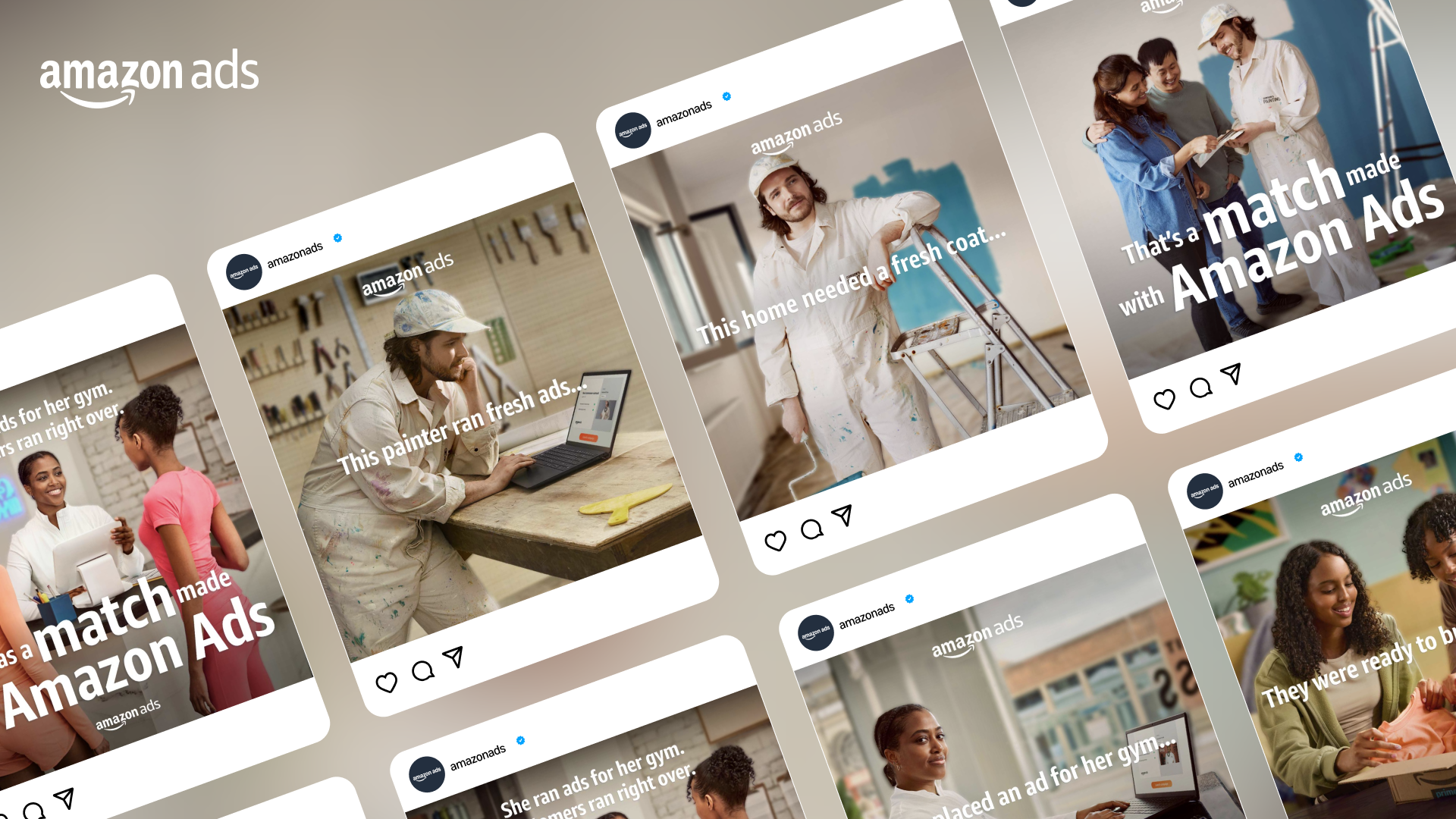
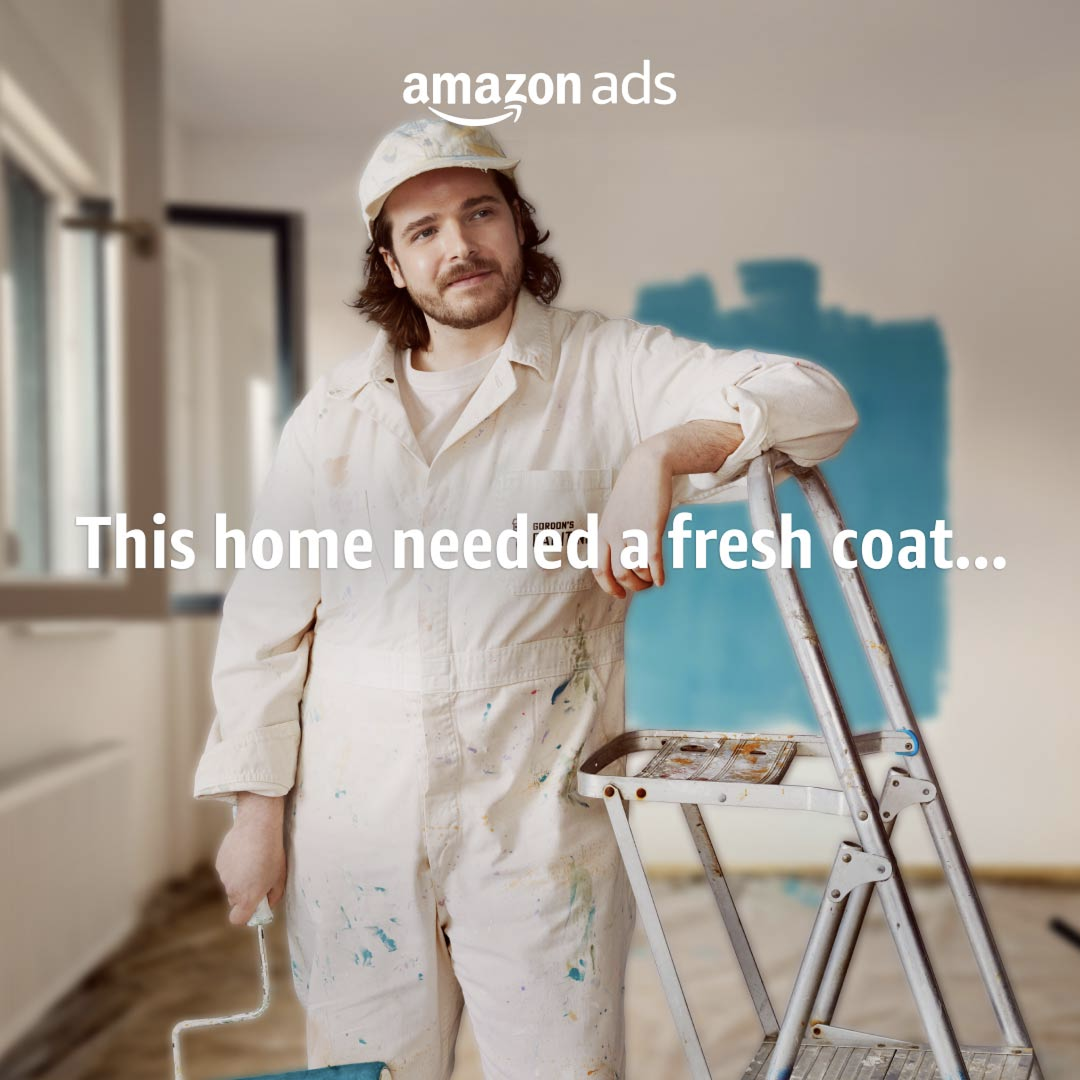
It was an approach that carried through to social and banners, where we brought this want to additional stories of small business owners and the customers they found—visualized and framed like romantic matches.
This campaign dramatically expanded the Amazon Ads audience to a whole new small business sector and the business outcomes tell the story:
The brand awareness campaign drove a 142% increase in Lead Form Completion Rate in H2 of 2024.
From Q3 to Q4 of 2024, when the campaign was live, Amazon Ads saw tangible revenue growth:
The creative work, which ranked in the top 1% of System1's B2B benchmark, truly resonated with our audience to the tune of a +16pt YoY in Unaided Awareness for Amazon Ads (From 17% to 33%) from Q3 23 to Q3 2.**
Amazon also saw a +2.0 percentage point lift in unaided brand awareness (statistically significant at 90% confidence) and +13.9 percentage point lift in understanding that “brands do not need to sell on Amazon to advertise with Amazon Ads.* among Google Ads users, +26.1 percentage point lift in understanding “brands do not need to sell on Amazon to advertise with Amazon Ads” among YouTube users, and an +8.2 percentage point lift in awareness among Instagram users. Plus, it got them humming Amazon’s tune.
Additionally, the work has been recognized in a series of industry award shows, including Gold Winner for Demand Generation in The Drum Awards and Gold Winner for B2B Marketplace Marketing in the ANA B2s.
Amazon's brand reputation was built on e-commerce. And it's that background we would have to overcome when speaking to small business owners. The truth is, entrepreneurs who run local businesses viewed our online storefront as an impediment to their success.
We needed to show that there was symbiosis here; online shopping and offline businesses could be two sides of the same coin, complimenting each other. With our insights and signals, we could help customers seamlessly flow between these two retail experiences—turning Amazon.com into an indispensable place to reach customers who were ready to spend, to shop, and to meet the local business they’d need next.
That approach paid off as we made major inroads with an entirely new subset of our small business audience, with a 33% increase in unaided brand awareness, +40% reach to specific audiences, and +78% brand familiarity T2B.