Rieker’s primary objective was not to improve reporting, but to resolve a fundamental insight gap: digital performance data could not explain or justify what was happening in physical retail, where the majority of sales occurred.
Standard digital metrics over-indexed on ecommerce behaviour and obscured the role digital channels played in driving in-store demand. As a result, media decisions were being made with incomplete and sometimes misleading signals, creating a risk that channels influencing retail growth would appear inefficient and be underinvested.
To close this gap, the objective was to:
Success was defined not by producing more data, but by whether insight could meaningfully change how decisions were made. Thereby, enabling digital investment to align with how customers actually behaved across channels and environments.
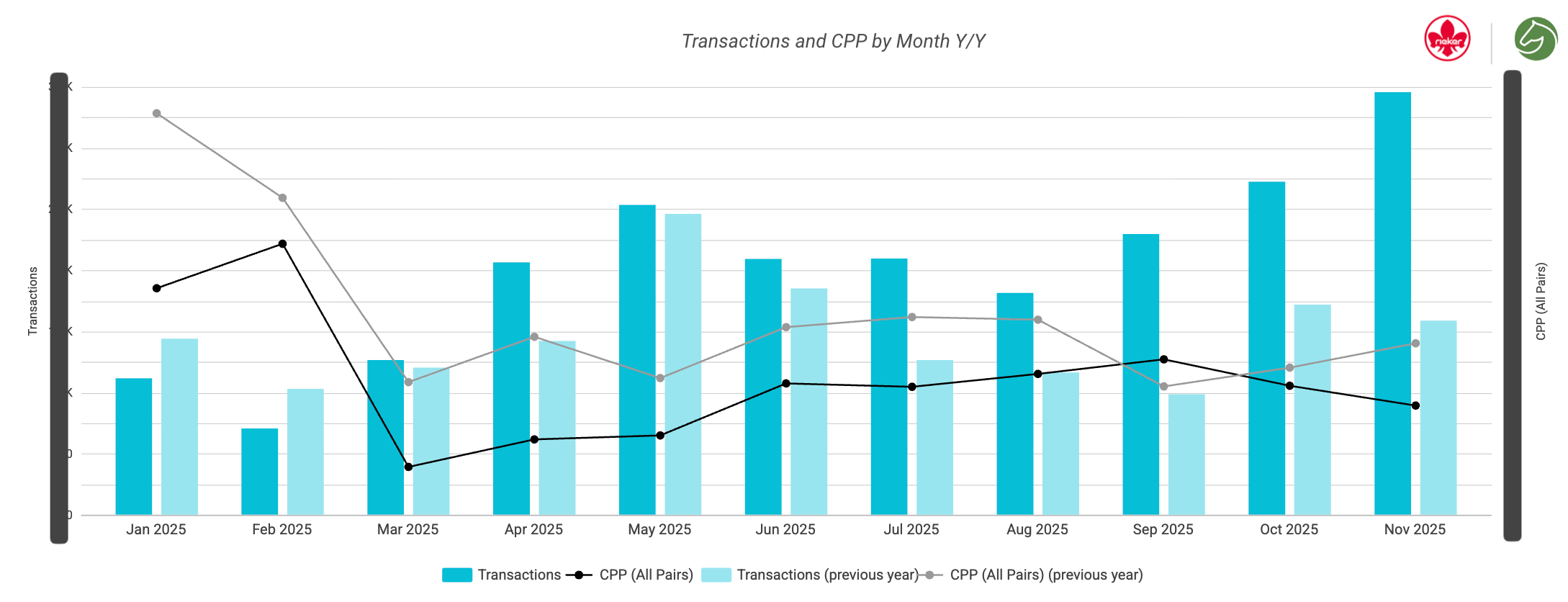
The most important insight uncovered through Rieker’s data work was that standard digital performance metrics were systematically undervaluing channels that influenced in-store behaviour. Clicks and online conversions suggested limited impact, while retail sales and foot traffic told a different story.
Digital was driving demand but that demand was largely invisible within ecommerce-centric reporting frameworks.
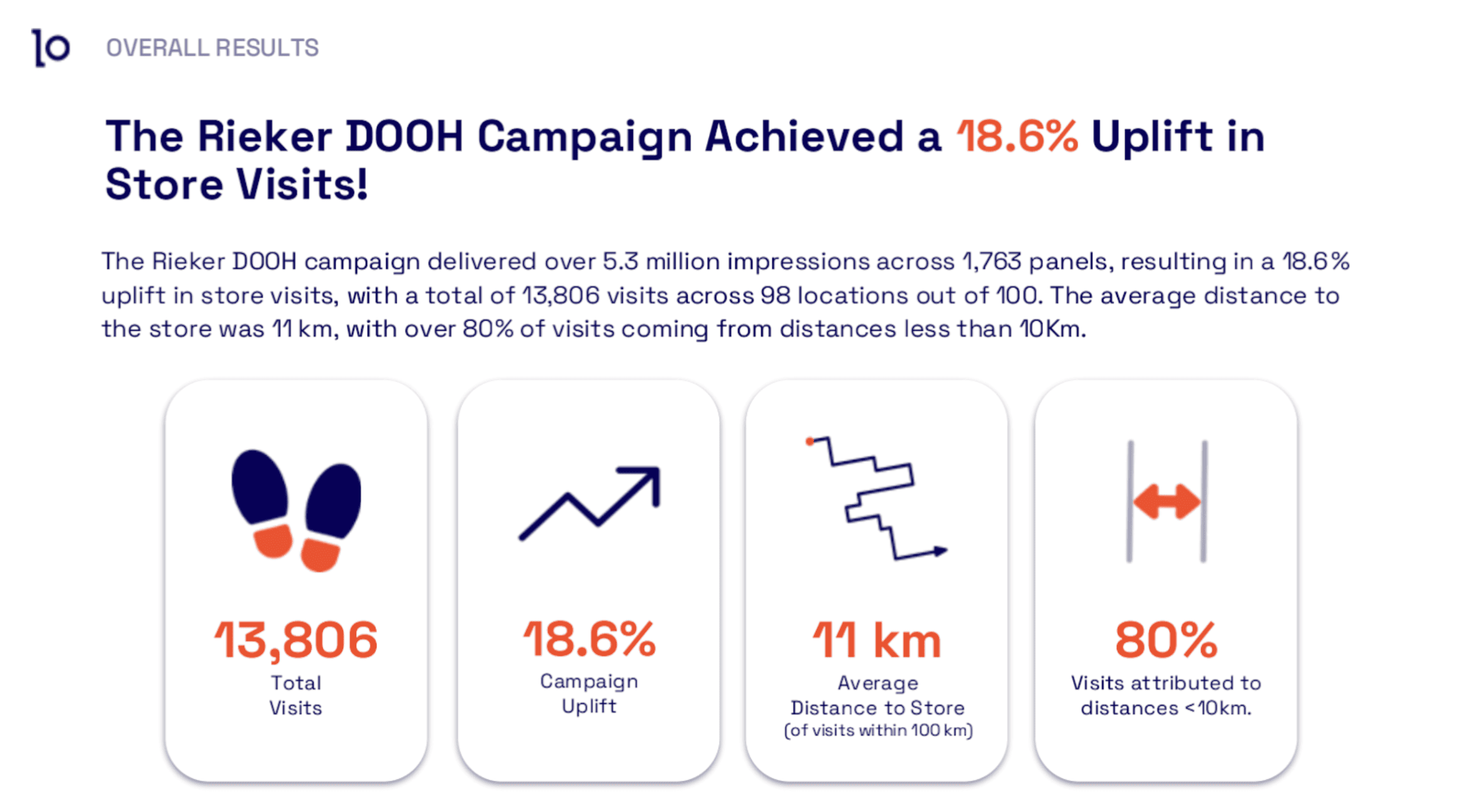
By integrating digital media data with location-based store visit signals and ecommerce performance, Rieker was able to observe consistent patterns between online exposure and physical retail activity. This revealed that certain channels and audience segments repeatedly influenced store visits, even when they appeared inefficient by ecommerce-only standards.
In effect, the data showed that what looked like underperformance online often represented strong performance offline.
One of the clearest insights emerged when performance was separated by brand. Treating Rieker and remonte as a single audience masked materially different behaviours. Once analysed independently, the data revealed distinct paths to purchase, different sensitivities to media channels, and different patterns of retail lift. This insight prompted immediate changes in how audiences were structured, budgets were allocated, and success was evaluated.
These insights led directly to decision changes:
Importantly, these signals were used directionally and comparatively, not as deterministic attribution, enabling more confident decision-making without overstating precision.
The value of the work was not the creation of a new reporting layer, but the removal of false certainty. By revealing where traditional metrics misrepresented performance, the data allowed Rieker to align digital investment with how customers actually behaved, online and offline, and to do so at scale.
By replacing proxy digital KPIs with insights tied to real retail and ecommerce behaviour, Rieker was able to make materially better media and audience decisions across the business.
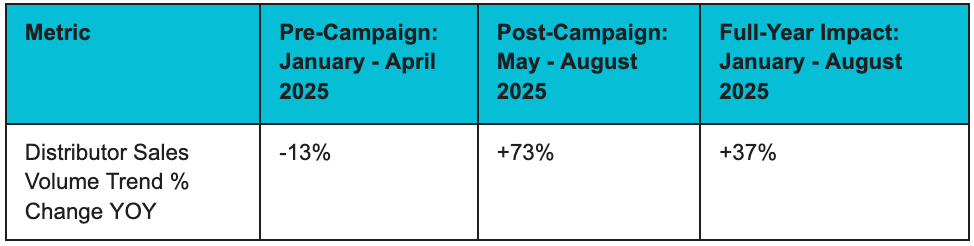
As a result of these insight-led changes:
Beyond topline growth, the most meaningful outcome was a shift in how performance was evaluated. Media decisions were no longer driven by assumptions or isolated digital signals, but by insights that reflected the full customer journey.
This allowed Rieker to invest more confidently, optimise more accurately, and scale digital activity without disconnecting it from retail reality. Thereby, demonstrating how data and insights can unlock growth not by adding complexity, but by improving clarity and decision-making.