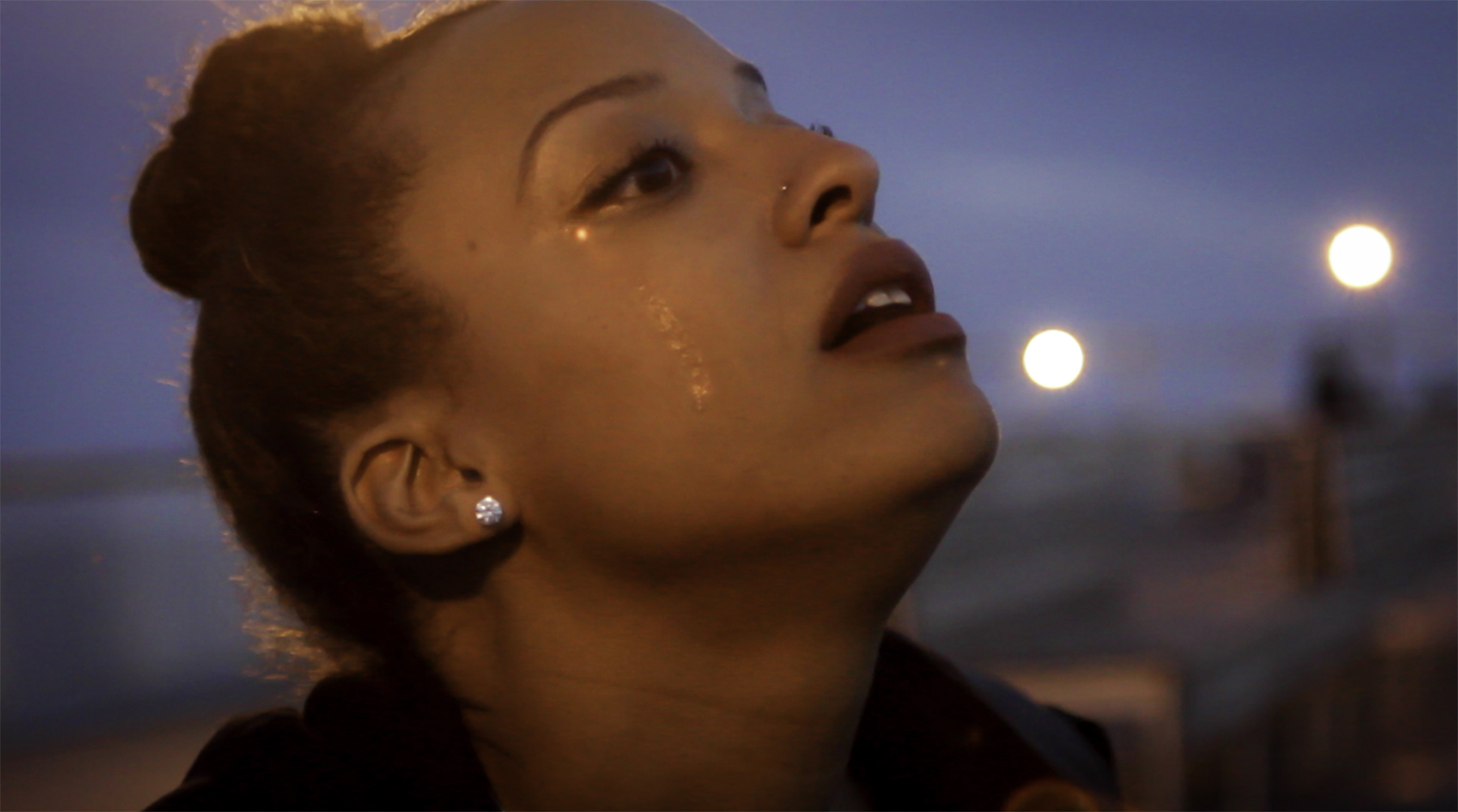
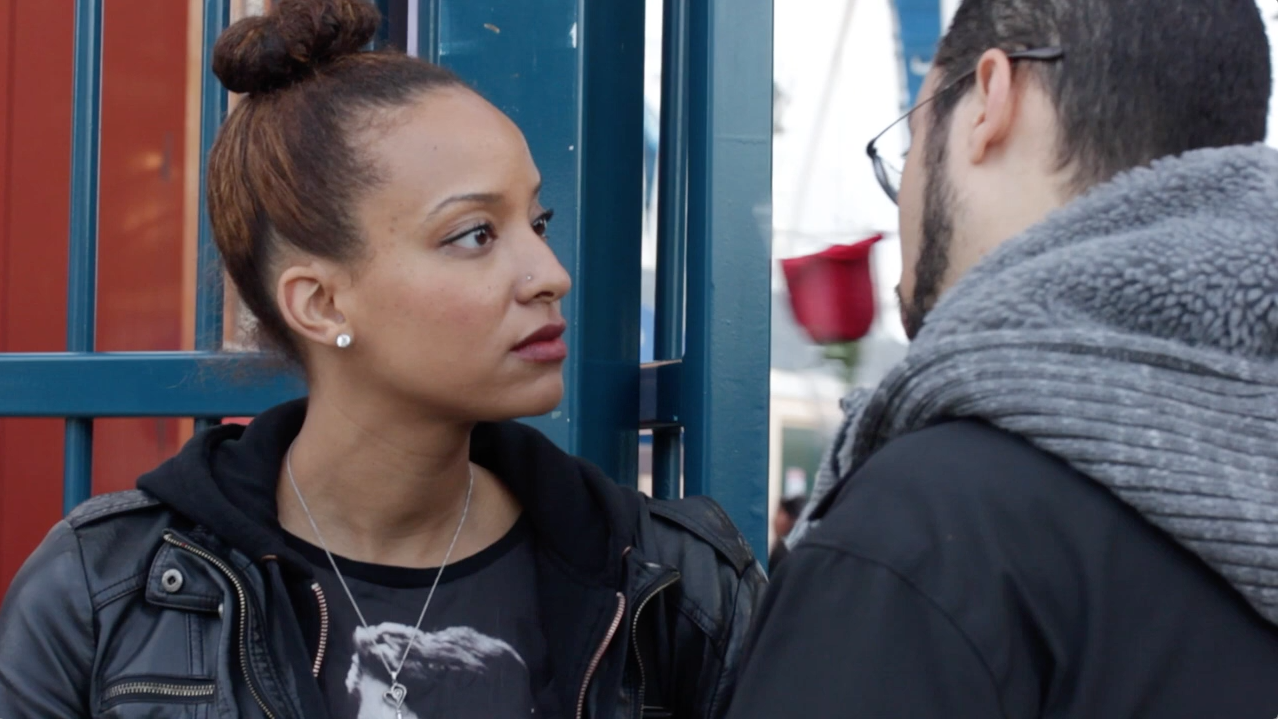
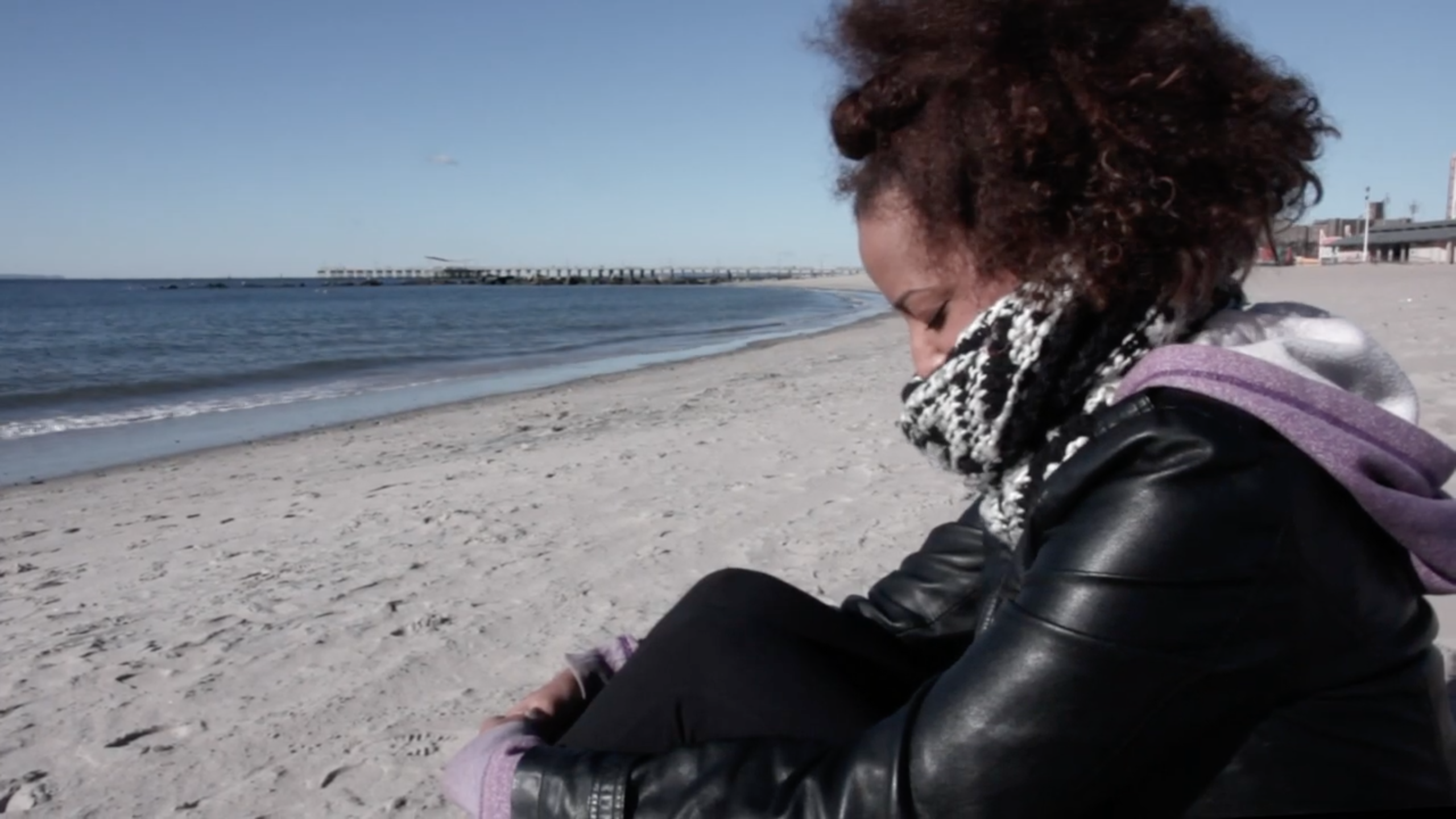
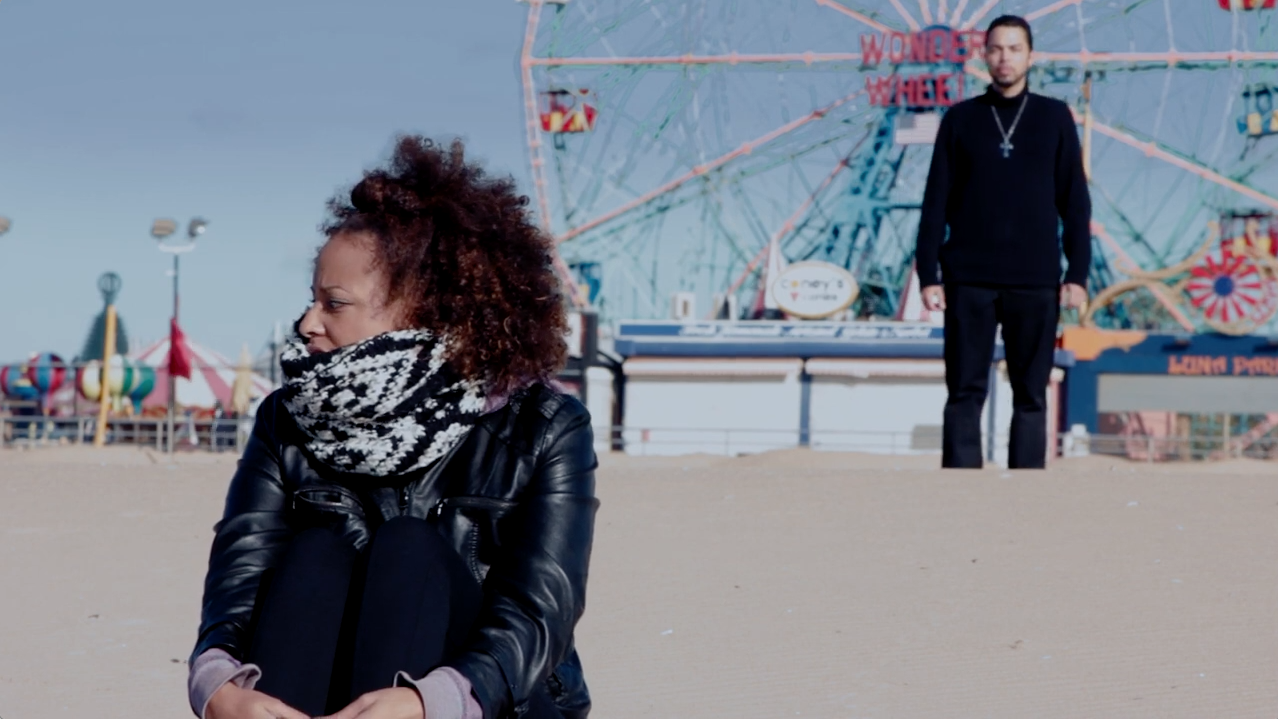
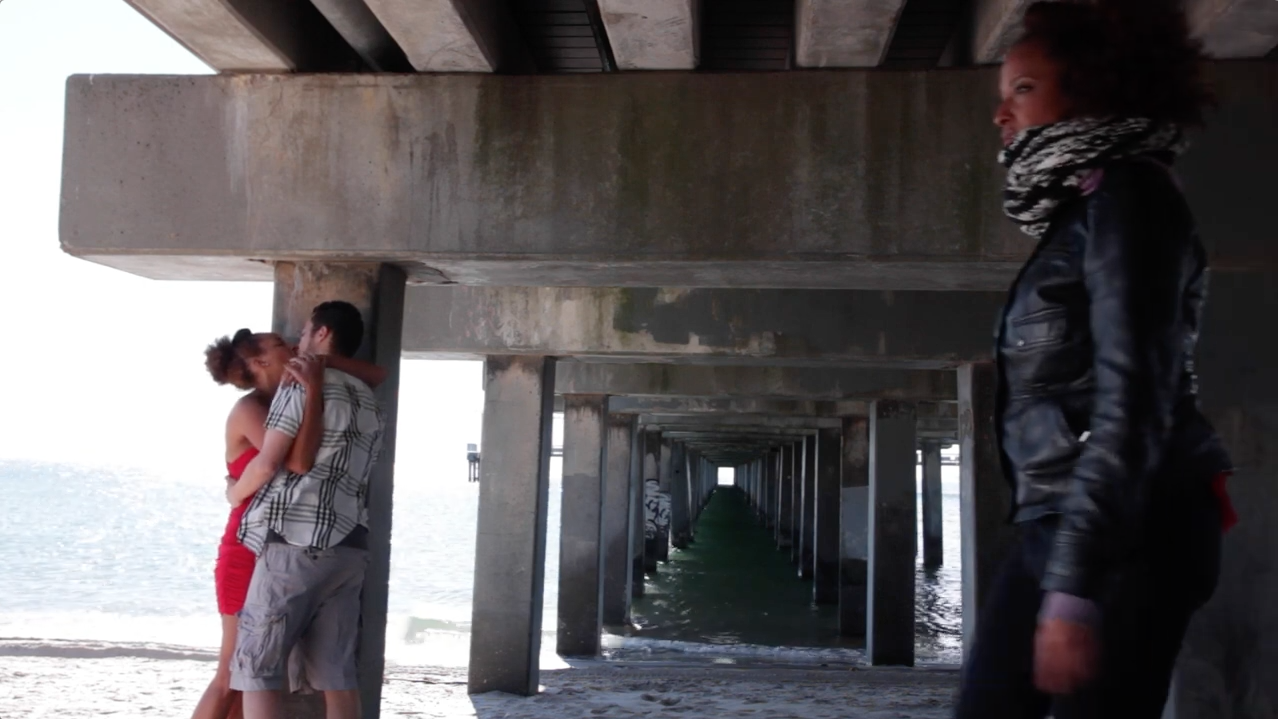
'Solëdad', is the story of a woman who returns to the place of her happiest moments and most tragic memory. While in the throes of her grief, she chooses to let go of the past traumas that have held her captive in fear. On the anniversary of her lover’s death, she takes a leap of faith, releasing herself from the burden of solitude with the hope of being reunited on the other side. At its core the film is an experimental mood piece with a deeper subtext that deals with the journey of love, loss, and grief. It explores how we navigate through time – The memories we take with us (both joyful & tragic) and the ones we leave behind. The driving force behind this work was my goal to reconcile generational losses from post 9/11, the tragedies of the Iraq & Afghanistan war, and Covid. For those of us who've experienced loss I think our greatest fear is forget the ones we loved, and our greatest challenge is holding on to memories that while joyful may also be painful. I'm so thankful for all the wonderful people who've entered my life throughout the production of this work and grateful to all those who've shared this beautiful moment with me. Particularly those who may be gone but are never forgotten.
Filmed as part of an Art of Visual Storytelling course at Long Island University, ‘Solëdad’ was made in just under 36 hours. Our plan of action for Solëdad (originally ‘The Lonely Man’) was to shoot a simple mood piece using a mobile setup. However, one of the many challenges we faced while filming in October was an arctic bomb that sent temperatures plummeting from 70º degrees to 30º degrees overnight. This left our lead (Michael Munoz) sick and unable to participate. Other crew members such as sound and grip also fell ill, which left us with a three-person crew. Suddenly we began questioning our decision to shoot on the iconic Coney Island boardwalk. To mitigate some of these challenges we decided to swap roles, moving Jocelynn from the spirit role to the lead (now Solëdad), and I would take on the role of the spirit. In this way I could reduce how much time I would have to be on camera, and free myself up to Direct and DP. In the instances when I do appear on camera, we relied on our shot list and pre-viz photos to guide us. The final result is a true labor of love and an experience I will treasure for the rest of my life. Utilizing all the talent and skill we had at our disposal, the film was shot primarily on an iPhone, with the exception of some drone footage. Most of the visual effect’s shots were captured practically - in camera - in sequence - to conserve on time. The result is a mood piece that captures the haunting journey a person takes as they navigate through grief, loss, and memory. The critical component to our success here was using the frigid temperatures and small crew to maximize efficiency, using a minimal amount of takes. Trying to avoid hypothermia and trimming away unnecessary sequences kept the tempo moving at a consistent clip. We also took advantage of the natural lighting and overcast - approaching the film in two sections (past and present). The present sequences were filmed at dawn and dusk to have a bookend match of the lighting. While all the past flashbacks were shot at high noon. This lent to the expression of her joy and sorrow by juxtaposing the warm bright light as love vs. the cool muted light for her grief. Having Marilyn Almonte as my camera operator was a God send. She truly acted as my eyes behind the lens. I’m also convinced the decision to move Jocelynn Catasús into the leading role of "Solëdad" was divine intervention. Her resonance on screen added a heartfelt pathos to the film that I'm not sure I could have achieved had the roles stayed reversed (as originally intended). I hope this thought-provoking film will inspire a dialog about facing your inner fears and leaving nothing left unsaid, because the truth is...tomorrow's not guaranteed, and true love has no barriers.
The course for which 'Solëdad' was made met two days a week, with one day designated to watch a film case study and the second day dedicated to writing a treatment inspired by that case study. Each filmmaker was required to film and edit their work over the weekend to be presented at the next class for peer review. This approach meant I had to be extremely efficient and purposeful with my writing, shot list, and decision making. Every week presented a new challenge that pushed my skills and development as a filmmaker. Ultimately, I feel that the result of this projects impact has far exceeded our objectives or any expectations we could have had for the film (short of receiving a student Oscar nomination). To date the film has screened at close to 20 international film festivals – the most recent being the 2025 Cine Veteran's Showcase, with one more planned for 2026 at the 2026 Afro-Latino Film Festival. The film has also garnered several awards and nominations – chief among them are two 21st Annual Davey Awards for Best Cinematography & Low Budget Short, a 46th Annual Telly Award for Best Student Film, and a 68th Annual New York Emmy Nomination for Best Short Form Entertainment. I feel the success of this film is not merely measured by the awards and nominations we've received, but the lasting impact and engagement we've had with our audience. We're so thankful for how it's resonated with viewers and appreciate their support.