The End of Eau Claire (And Why You Should Care) began with a simple but urgent question: what happens when a city quietly erases the places that shaped its community? The documentary set out to tell the story of Calgary’s Eau Claire Market — once a vibrant cultural hub, later demolished after years of decline — not just as a historical recap, but as a reflection on how redevelopment can sever emotional and cultural ties.
The goal was to create a film that combined historical research, personal storytelling, and modern commentary to make local history feel globally relevant across multiple aspects of society. Rather than treating the market as a failed business venture, the documentary reframes it as a symbol of how cities often prioritize profit and image over memory and human experience.
A key objective was accessibility: the film was designed to be engaging for both people who had never heard of Eau Claire Market and those who grew up with it. By blending archival footage, satire, and emotional narration, the project aimed to make viewers feel both informed and personally connected.
Ultimately, the goal was not just to document a demolition, but to spark reflection on the value of community spaces and the long-term consequences of losing them.
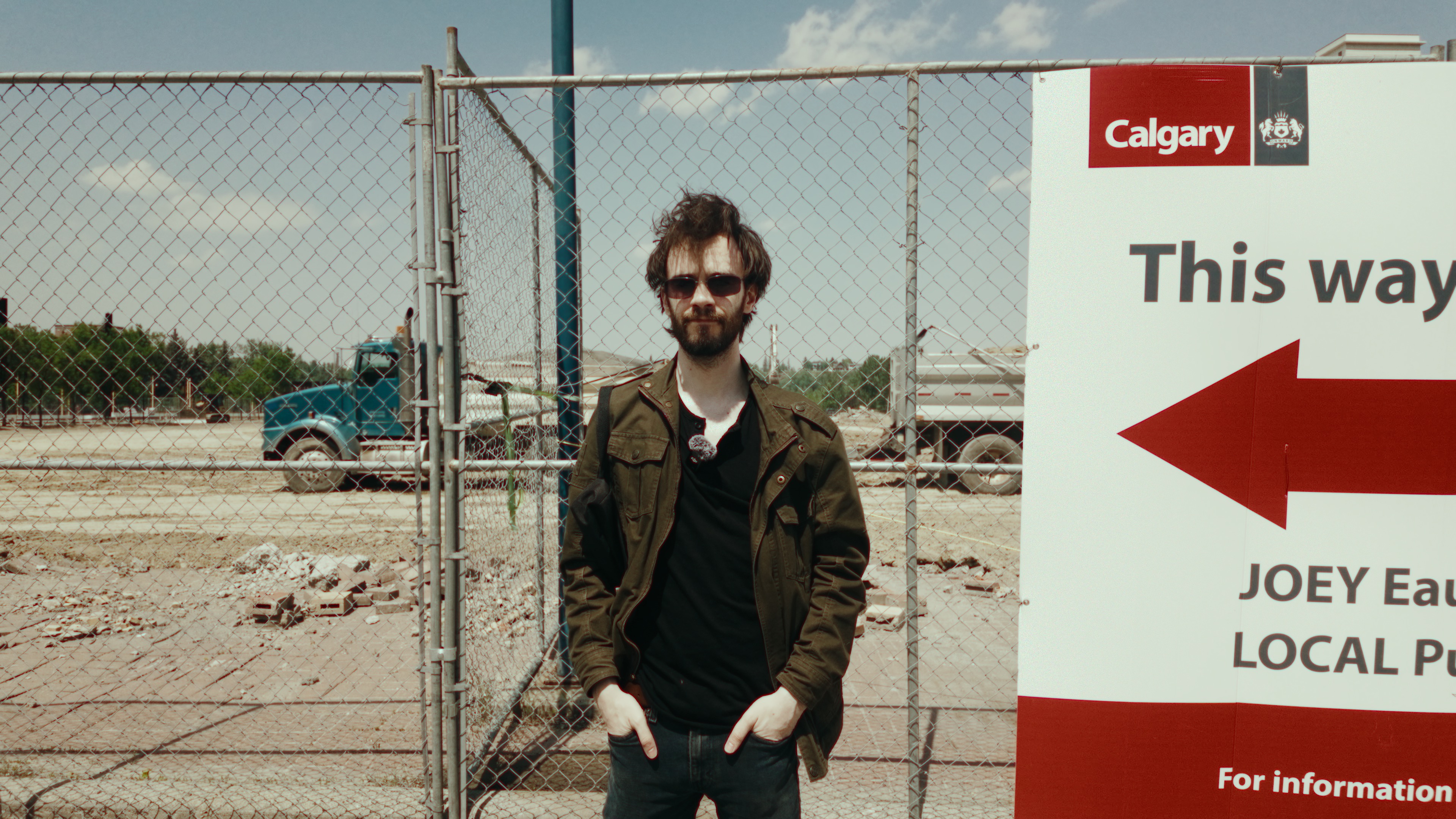
The documentary was produced entirely independently by a single filmmaker, from research and scripting to filming, editing, and distribution. The strategy was to combine rigorous historical context with a personal, emotionally grounded narrative voice, allowing the story to resonate beyond local nostalgia.
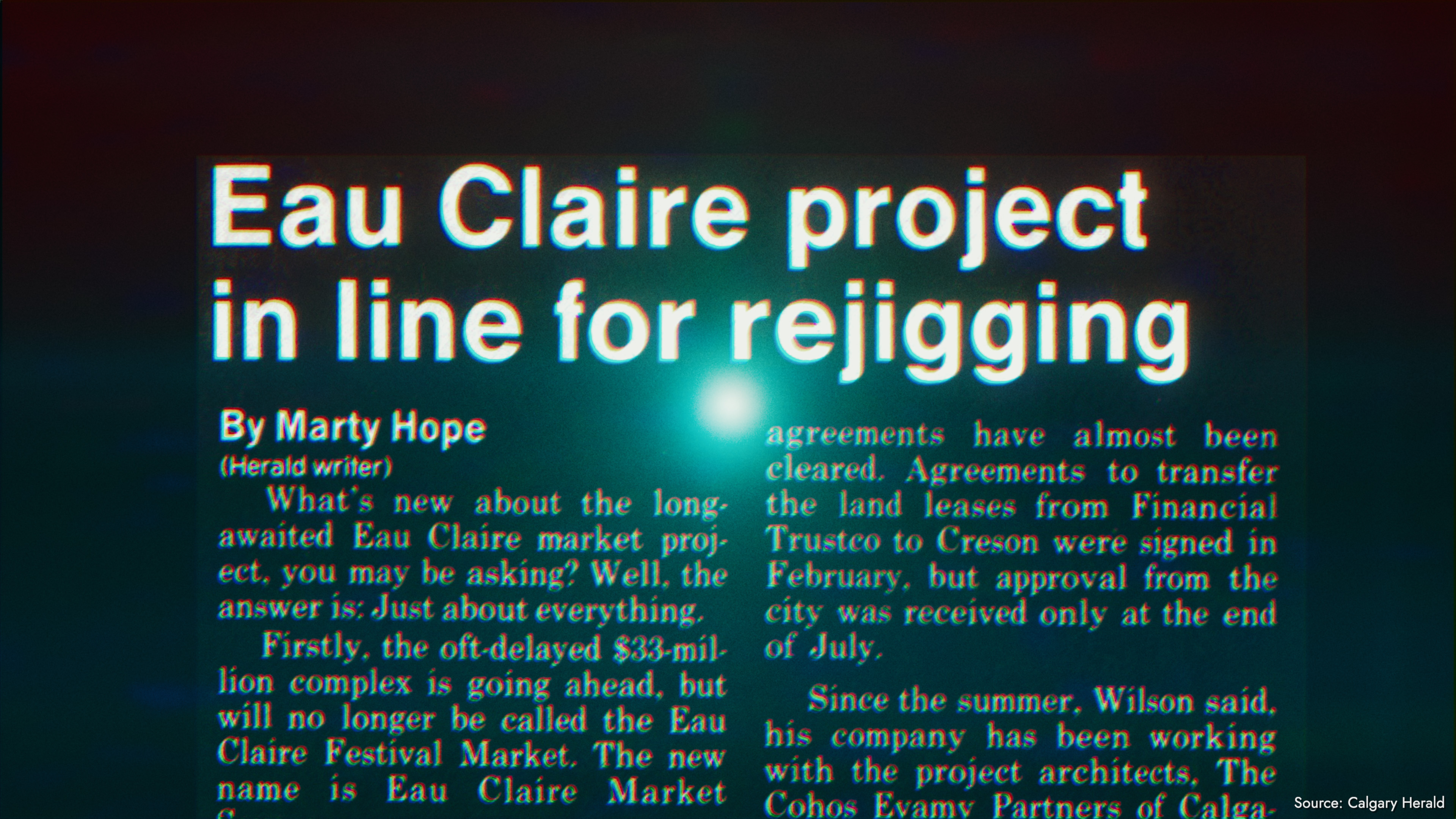
Research involved reviewing archival news coverage, public records, historical timelines, and firsthand accounts to build a factual backbone. This foundation was paired with on-camera narration and commentary that provided a human lens through which audiences could process the broader civic and cultural implications.
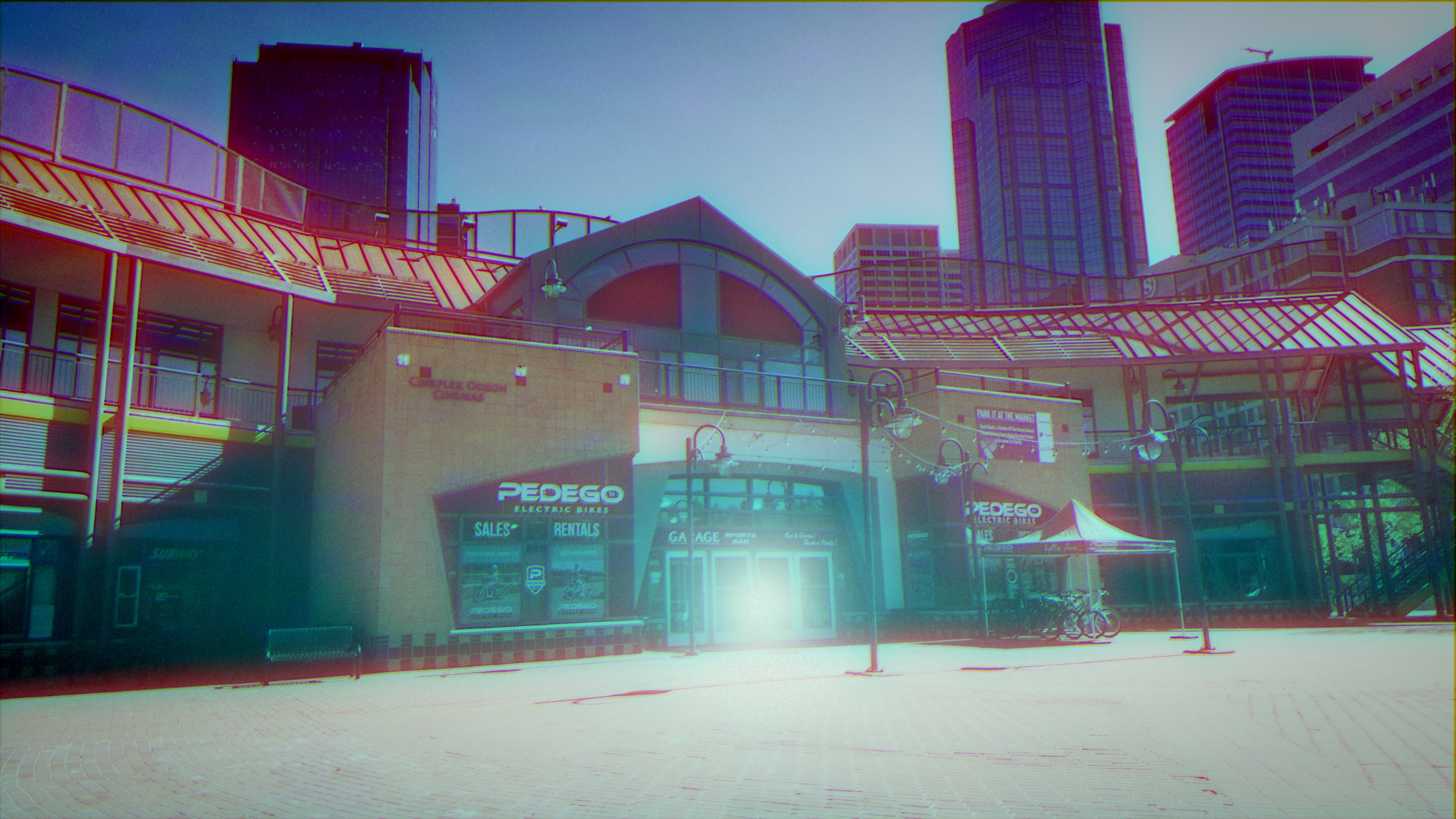
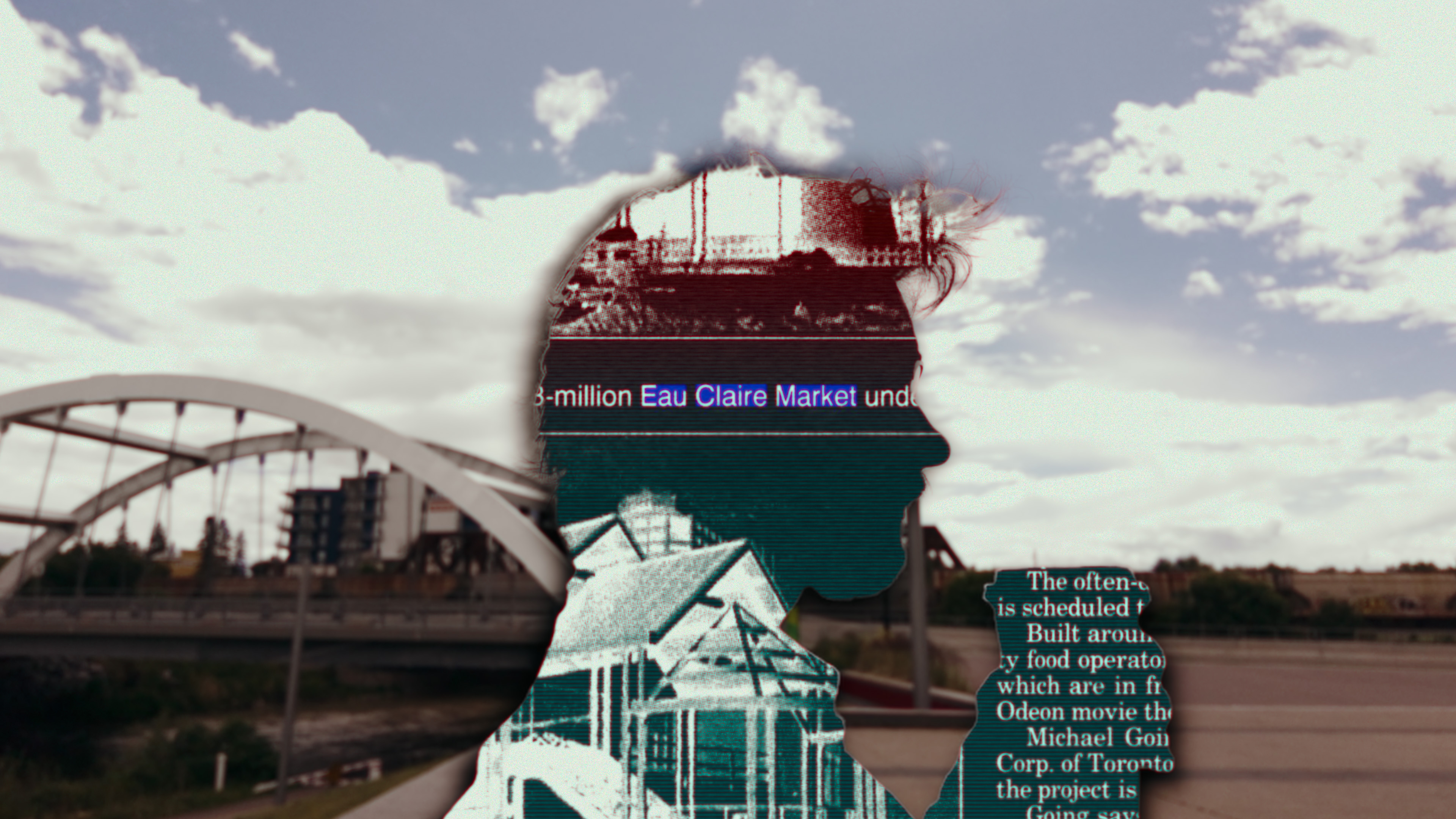
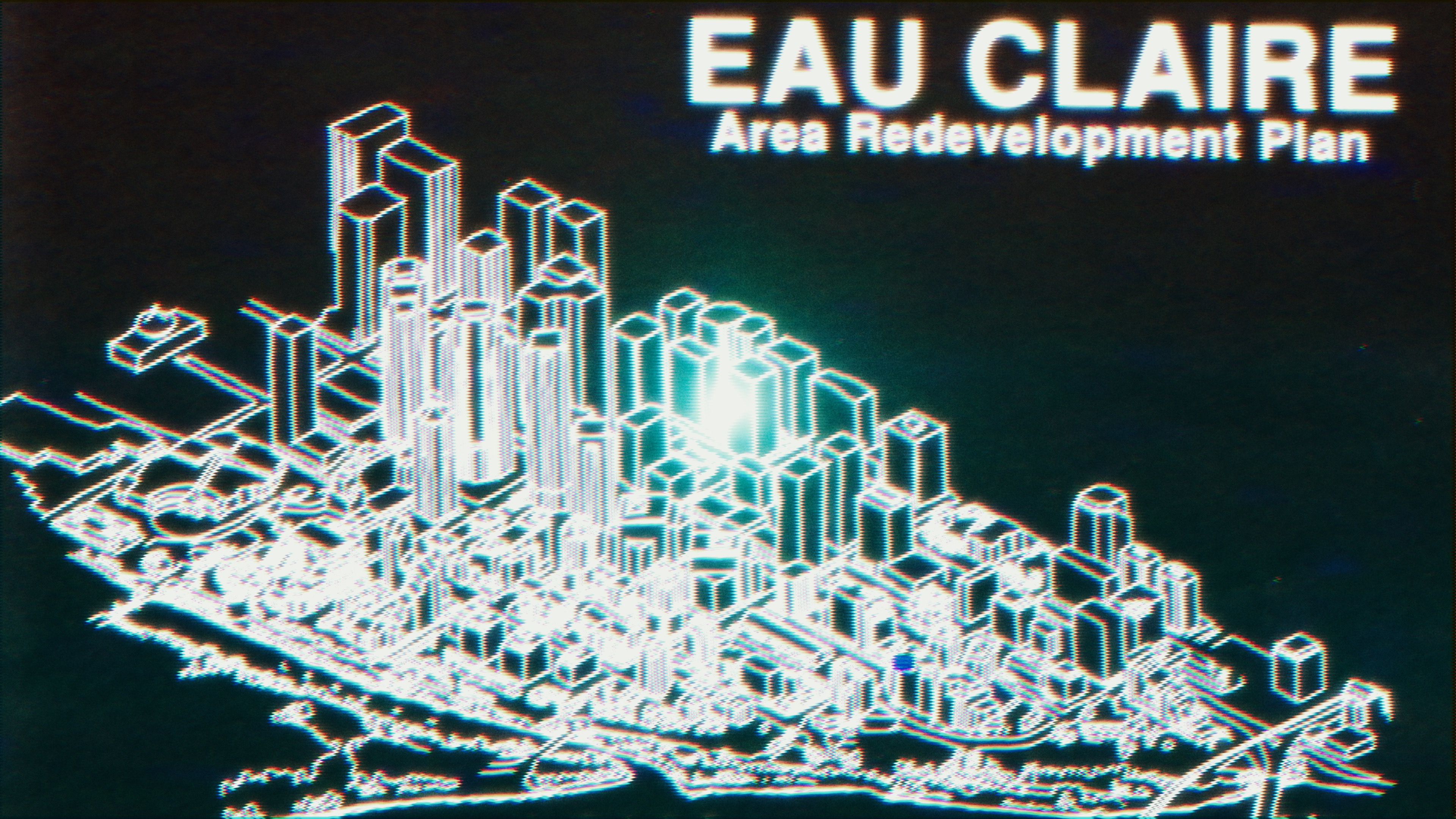
Visually, the project blended archival material with a 90's CRT television motif, complete with the iconic colours of its source material. A compact camera and home editing setup were used to create a cinematic but intimate style, reinforcing the feeling that this was a story being told by a community member rather than an outside institution.
Satire and dry humor were intentionally woven into the narrative to make complex topics — such as urban planning, commercialization, and cultural erasure — more approachable without undermining their seriousness. This tonal balance helped sustain engagement across the 42-minute runtime.
One of the biggest challenges was scope. The story spanned decades of development, shifting city politics, and changing public perception. Condensing this into a cohesive narrative without oversimplifying required extensive restructuring during the editing process. Another challenge was working without a production team or budget, which meant solving technical, storytelling, and research hurdles independently.
Distribution was also a strategic choice. The documentary was released on YouTube to ensure free public access, prioritizing reach and community engagement over traditional gatekeeping. Short-form promotional clips were created to introduce the film’s tone and message to broader audiences on social platforms.
The result is a deeply personal yet widely relatable documentary that uses one local story to explore global questions about memory, place, and progress.
The documentary achieved its primary goal: making a local story feel meaningful to a broad audience. Released independently on YouTube with no marketing budget, The End of Eau Claire (And Why You Should Care) garnered over 13,000 organic views and sparked extensive viewer feedback.
Many viewers shared personal memories of the market and described the film as unexpectedly emotional and thought-provoking. The project resonated not only with former visitors of Eau Claire Market, but also with audiences who had never heard of it, demonstrating that the themes of cultural loss and redevelopment extend far beyond one city.
The film also became a point of pride within the local creative community, showcasing how independent creators can produce impactful, long-form documentary storytelling outside of traditional production structures.
Beyond view counts, success is measured in the depth of engagement. Viewers responded with long-form comments, personal stories, and reflections on similar spaces in their own communities. The documentary succeeded in transforming a demolished building into a conversation about memory, belonging, and the human cost of progress — exactly the reflection it set out to inspire.